 how-to
How to Make Soft Washing Results Last Longer
Last Updated: November 3, 2026
Quick Summary
Soft washing results typically last six to twelve months on most exterior surfaces. That window shrinks on shady, damp walls and can stretch on sheltered surfaces. The range is wide because the surface, the climate and the chemistry all pull on the same clock.
- Plain concrete in full sun generally holds a clean longer than vertical surfaces.
- South-facing walls sit in shade, hold moisture after rain, and grow mould and algae first.
- Rinsing the solution off too soon removes the colour but leaves the organism alive.
- Fix leaking gutters and downpipes so walls dry out after rain.
- Pressure washing results last weeks to a few months, compared with six to twelve months for soft washing.
Table of Contents
- How Long Soft Washing Results Last on Different Surfaces
- What Affects the Longevity of Soft Washing Results
- Preventing Mould Regrowth on Exterior Walls
- Soft Washing vs Pressure Washing for Render
- How Often to Soft Wash a House
- DIY vs Professional Soft Washing: Which Results Last Longer?
- A Preventative Maintenance Checklist for Long-Lasting Results
- Booking a Soft Wash That Lasts
- Frequently Asked Questions
How Long Soft Washing Results Last on Different Surfaces
Soft washing results typically last six to twelve months on most exterior surfaces. That window shrinks on shady, damp walls and can stretch on sheltered surfaces.
Soft washing is a low-pressure method that uses a chemical solution to treat organic growth rather than relying on force alone. For a full explanation of what soft washing is and how it works, see our dedicated guide.
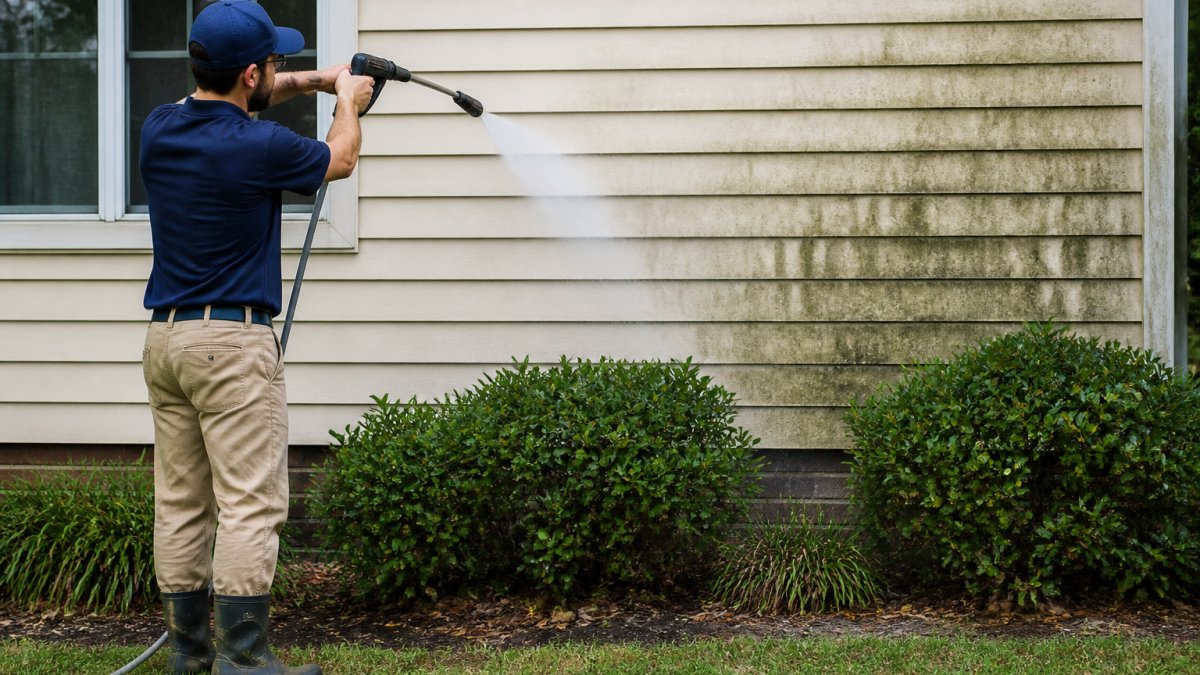
That distinction matters because the growth you see is only part of the problem. Mould, algae and mildew send roots and spores into porous surfaces, so blasting off the colour leaves the organism behind, ready to bloom after the next rain.
Typical longevity by surface type
Results depend on treatment method, dwell time and climate, and they will be shorter in high humidity or deep shade.
- Rendered and painted masonry walls: render is porous and holds moisture, so regrowth often starts in the same shaded patches unless airflow improves.
- Timber weatherboards and decks: timber holds moisture in the grain and is prone to green algae film rather than deep mould.
- Concrete and paved surfaces: plain concrete in full sun dries fast and sheds spores, so it generally holds a clean longer than vertical surfaces.
- Tiled roofs: glazed tiles shed water and spores well, and the pitch of the roof keeps water moving.
- Colorbond and metal roofs: factory coatings are smooth and non-porous, so growth tends to struggle to anchor. Harsh chemical mixes can dull the gloss, so dilution control matters on metal.
- Fibro and compressed sheet cladding: these sheets are porous and often painted, so they behave much like render. Hairline cracks and failed paint edges trap moisture and become regrowth hotspots.
Climate zones and decay rates
Most guides give one national range and leave it there. In practice, the same wall in the same suburb can last twice as long depending on which side of the house it faces and how the local climate behaves.
- Humid coastal and subtropical zones: warm, moist air keeps surfaces damp for hours after rain, and salt spray adds a food layer that algae colonise quickly.
- Temperate and inland zones: four distinct seasons mean surfaces dry out in summer and slow down in winter, giving a natural reset each year.
- Dry inland and arid zones: low humidity and strong sun kill spores between rain events. The trade-off is that dust and pollen build up and can look like growth when it is only grime.
- Cool, shaded valleys and dense tree cover: treat these like a humid zone regardless of the broader climate. Still air and canopy shade keep walls damp, and leaf litter at the base feeds regrowth.
A north-facing wall in a temperate home can outlast a south-facing wall, even after identical treatment on the same day. Look at the shadiest, dampest wall first when planning your re-treatment cycle.
Why the chemistry decides the clock
The cleaning solution is not a single product. Sodium hypochlorite does the killing: it oxidises the cell walls of mould, algae and biofilm, and at the right concentration and dwell time reaches roots and spores, not just the colour. Surfactants break the surface tension so the mix clings to vertical walls and penetrates biofilm instead of beading off.
That is why two jobs that look identical on the day can last very different lengths of time. A strong mix rinsed too early can kill the surface and leave the roots; dwell time and the surfactant matter as much as strength. When comparing quotes, ask what concentration is used and how long it will sit, not just what pressure the equipment runs at.
What Affects the Longevity of Soft Washing Results
Several factors affect how long a soft wash lasts: the surface, the shade around it, the chemical process, and how well the job was done. The useful detail is in how they interact, and in why a professional treatment and a store-bought DIY job can look identical on day one and be months apart by the end of the season.
Climate and shade: why north-facing walls decay faster
Walls that rarely see sun stay damp longest. In the southern hemisphere, north-facing walls catch the most direct sun, so they dry fastest and grow the least.
Coastal humidity and steady rain add to it: a wall that stays wet for hours after a shower gives spores exactly what they need, while the same wall in full sun dries before growth takes hold.
Airflow matters as much as sun. A wall with a garden bed pressed against it, a fence a metre away, or a downpipe discharging onto the base stays damp long after the rain stops. Clearing that airflow is often worth more than a stronger chemical mix.
Dwell time and chemical breakdown: why rushing the job shortens results
Skipping dwell time is a common reason a soft wash fails early. The cleaning solution needs time on the surface to break down the cell walls of mould, algae and biofilm.
A proper job gives the solution time to work, keeps it wet so it doesn't dry out, and uses surfactants to help it cling to vertical walls. Rush either step and regrowth starts within weeks, not months.
Hypochlorite loses potency as it sits and as it is exposed to sun and heat.
Watch out: a mix that is too strong does not compensate for a short dwell time. It burns the surface, strips paint and kills plants, while still leaving roots behind if it is rinsed off early.
DIY versus professional: why the results diverge
The gap between a professional soft wash and a store-bought DIY job is largely about the variables above. Consumer products are often diluted for safety and may lack the surfactants that help a mix cling to a vertical wall.
Common DIY mistakes that shorten results:
There is also the safety side. Sodium hypochlorite can burn skin and eyes, and runoff can harm gardens and stormwater. Professionals manage dilution, protect plants, and control where the water goes.
Workmanship and surface preparation
The last factor is the least discussed and one of the most predictive. Growth that has been there for years builds a biofilm layer that can shield the organism underneath, so a single application over heavy biofilm may not reach the roots. Pre-treating heavy areas and allowing a longer dwell time can help on the worst walls.
Preventing Mould Regrowth on Exterior Walls
Mould returns when moisture, shade and food stay available. Our article on preventing mould regrowth on exterior walls covers this in more depth. Cutting off one of those can slow regrowth.
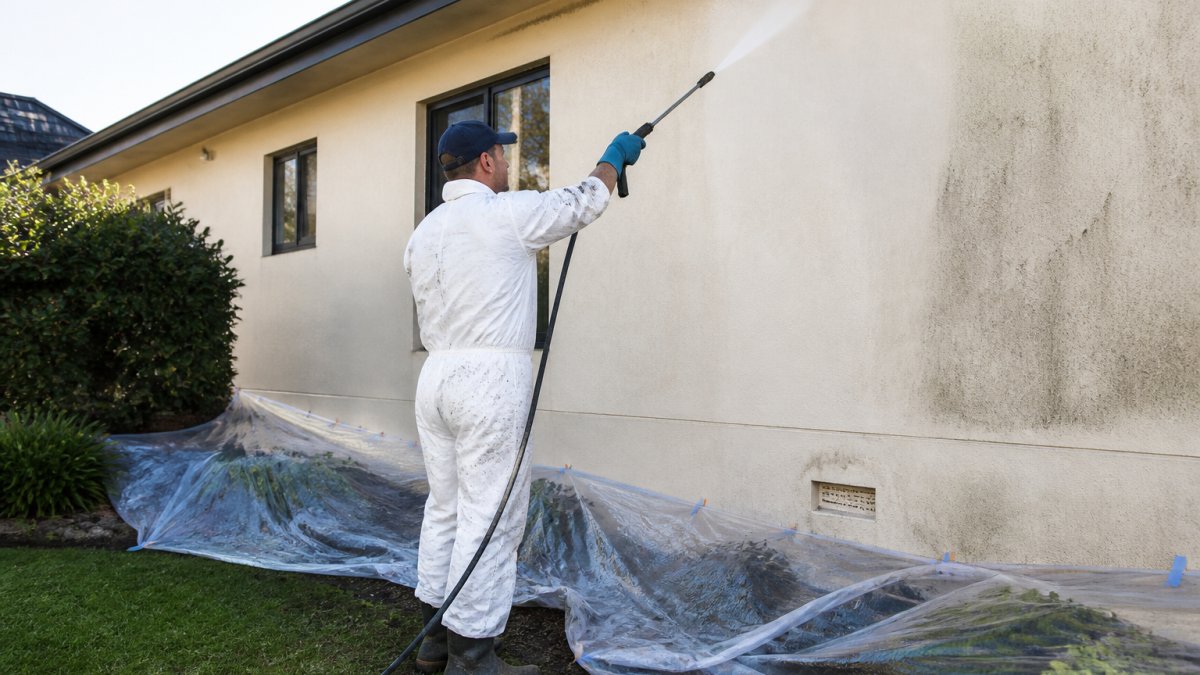
A soft wash that treats the growth at the root, not just the surface, is more likely to last longer than a quick rinse. After cleaning:
- Fix leaking gutters and downpipes so walls dry out
- Trim plants back from walls to improve airflow
- Clear soil and mulch away from the base of rendered walls
- Re-treat shady walls on a shorter cycle than sunny ones
If regrowth keeps coming back in the same spots, the cause is almost always water.
Soft Washing vs Pressure Washing for Render
Soft washing is generally considered a gentler option for rendered walls. Render is a porous, painted surface, and high pressure forces water into it. That drives damp behind the render, cracks the paint film, and can blow sections loose.
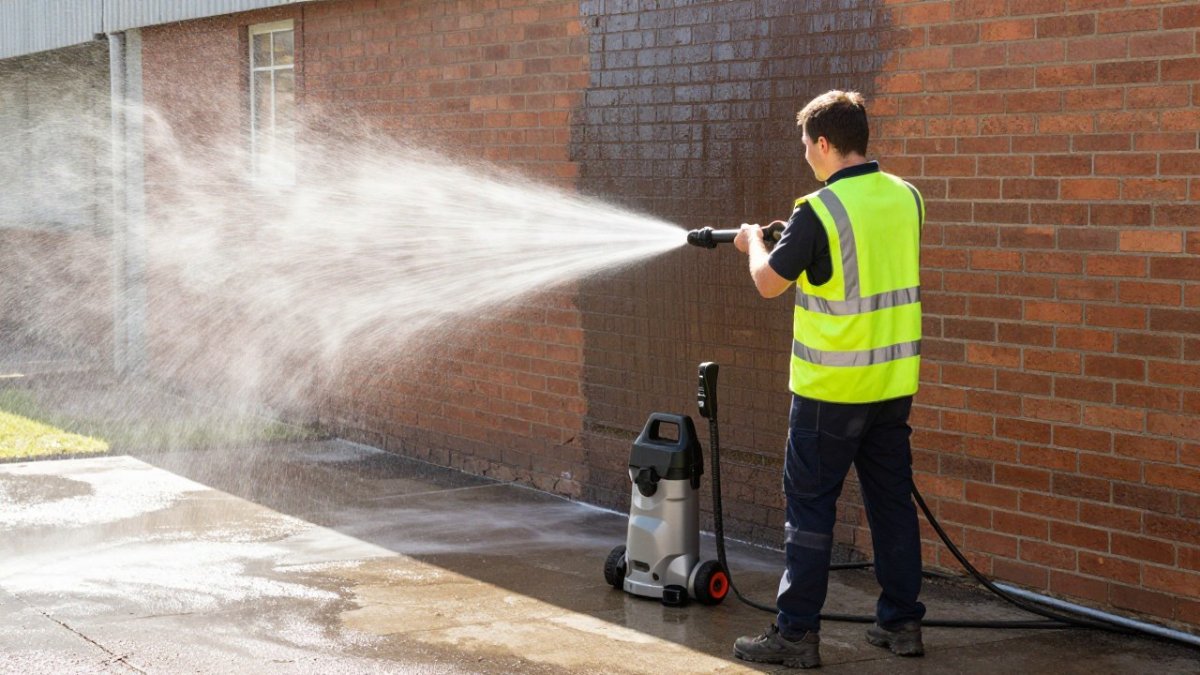
Pressure washing relies on force, often running at high PSI. On hard surfaces like plain concrete it works well. On render, it risks surface damage that costs far more to fix than the clean itself. For a full breakdown, see our guide to pressure washing vs soft washing.
| Factor | Soft Washing | Pressure Washing |
|---|---|---|
| Method | Low pressure plus cleaning solution | High-pressure water |
| Best for | Render, painted walls, timber, roofs | Plain concrete, hard paving |
| Risk to render | Low | High |
| Kills mould at the root | Yes, with dwell time | No, removes surface only |
| Results last | Six to twelve months | Weeks to a few months |
How Often to Soft Wash a House
How often a home needs a soft wash depends on its shade, exposure and surfaces, so it is worth checking the condition of your property regularly.
Watch for the early signs rather than waiting for a set date:
- Green or black streaks on render or roofing
- Slippery film on paths and decks
- Chalking or fading paint
- A musty smell near walls after rain
Cleaning on a schedule can be more economical than letting growth set in and spread. Heavy biofilm takes longer to treat and often needs a stronger mix.
DIY vs Professional Soft Washing: Which Results Last Longer?
The result of a soft wash depends on the mix, the dwell time and the rinse, not just the effort put in. If you decide to hire, our guide on how to choose a professional pressure cleaning service explains what to look for.
Common DIY mistakes we see:
A Preventative Maintenance Checklist for Long-Lasting Results
A few habits between cleans make each soft wash last longer. Use this checklist each season:
- Check gutters and downpipes for blockages
- Clear leaves and debris from wall bases and corners
- Trim shrubs and trees back from exterior walls
- Look for green or black streaks on shaded walls
- Wash down paths and decks after heavy rain
- Re-treat shady walls before growth spreads
- Book a professional clean when streaks return
Catching growth early can mean a lighter treatment.
Booking a Soft Wash That Lasts
Ask three questions before you book: what mix they use, how long they leave it on, and how they protect your garden and drains. Our professional render cleaning Sydney cost guide sets out what pricing to expect. A provider who can answer all three clearly is likely to deliver a clean that lasts.
At AquaBlast Elite, we tailor each job to the surface in front of us and service homes and commercial properties across Sydney and its surrounds.
For a sense of what a professional clean involves, pricing depends on the size and condition of the property and the work required, so please contact AquaBlast Elite for a quote. When you're ready, book a call and we'll assess your property and discuss a suitable cleaning schedule.
Frequently Asked Questions
How long do soft washing results typically last on exterior walls?
How long soft washing results last depends on how much shade and moisture a wall receives. North-facing walls that stay damp longer often need re-cleaning sooner.
Does soft washing prevent mould regrowth?
Soft washing slows regrowth but does not stop it permanently. Airborne spores can return, so regrowth depends on moisture, shade and surface porosity. Regular rinsing and trimming back vegetation that traps damp air against the wall can help limit regrowth.
Is soft washing better than pressure washing for render?
High-pressure water can damage the top coat of render, so low-pressure methods are generally considered gentler on render. When comparing soft washing vs pressure washing for render, the deciding factor is surface integrity: if the render is already cracked or friable, low pressure is the only sensible option.
How often should I have my house soft washed?
How often a home needs a soft wash depends on tree cover, wall orientation and coastal exposure, among other factors. Working out how often to soft wash a house comes down to how quickly biofilm returns on your specific surfaces.
Growth comes back eventually on every exterior surface. The difference is whether it returns in weeks or in years. Get the mix, the dwell time and the maintenance right, and your soft washing results hold far longer. Get started with AquaBlast Elite and book a call to protect your property's appearance for the long run.