 comparison
Pressure Washing vs Soft Washing: Which Service Suits Your Property
Table of Contents
- What Is Pressure Washing and Soft Washing
- Key Differences: Water Pressure, PSI, and Cleaning Solutions
- Soft Washing Your House Exterior: When It's the Right Choice
- Pressure Washing Concrete Driveways and Heavy-Duty Surfaces
- Soft Wash vs Pressure Wash Cost: What Affects Your Quote
- How Often to Soft Wash a House and Maintenance Intervals
- Chemical Safety, Environmental Precautions, and Runoff
- Choosing a Cleaning Contractor: What to Ask Before Booking
- Frequently Asked Questions
Last Updated: October 10, 2026
What Is Pressure Washing and Soft Washing
Pressure washing soft washing are two fundamentally different approaches to cleaning your property's exterior. Both remove dirt, grime, algae, moss, and organic growth, but they work in opposite ways. Understanding how each functions helps you choose the right method for your surfaces.
Pressure washing uses high-pressure water jets to blast away stubborn stains and debris. Soft washing applies low-pressure water combined with cleaning solutions to gently remove organic growth and contaminants.
How Pressure Washing Works
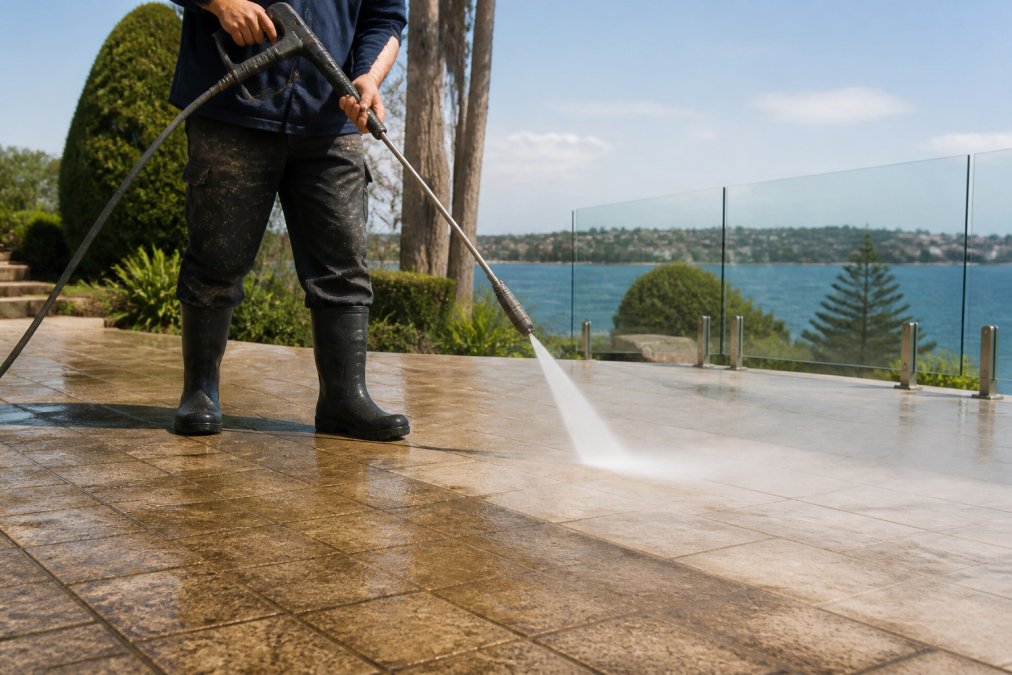
Pressure washing uses water pressure measured in PSI (pounds per square inch) to remove contaminants. Most residential equipment operates between 2,500 and 4,000 PSI, physically removing dirt, grime, paint, rust, and tough stains from durable surfaces.
Pressurised water forces into cracks and crevices, dislodging contaminants. Some operators add mild detergents to boost power. Pressure washing excels on concrete, driveways, and industrial surfaces.
How Soft Washing Works
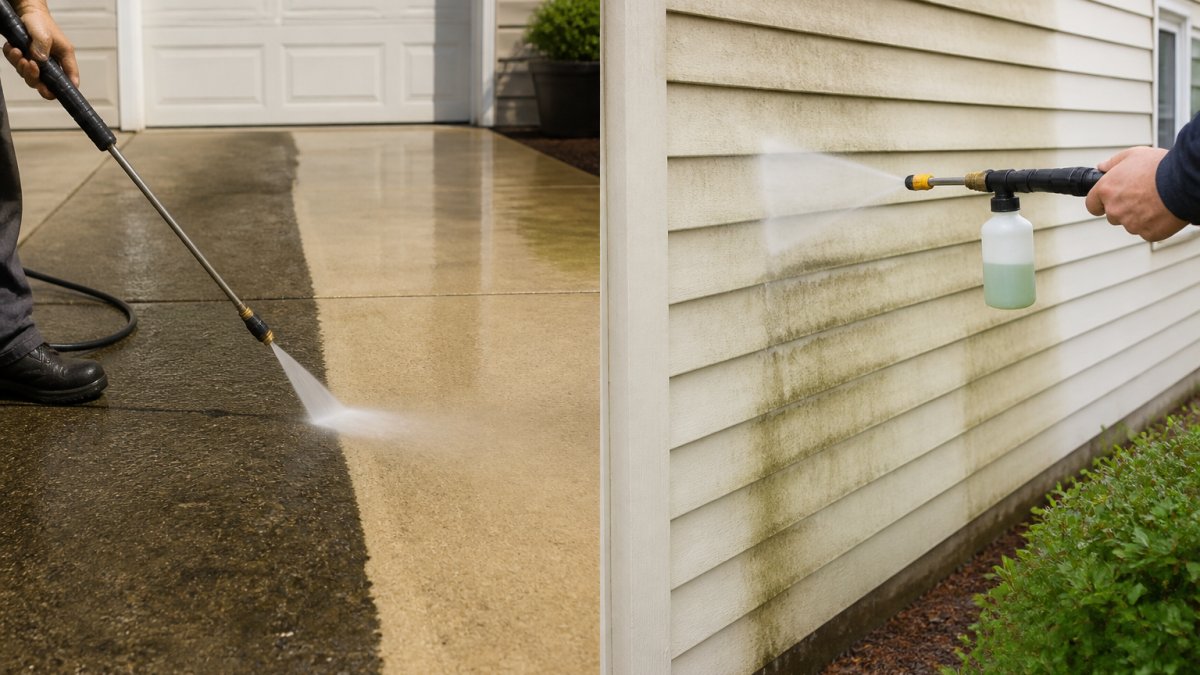
Soft washing uses low-pressure application (typically under 500 PSI) combined with biodegradable cleaning solutions to eliminate algae, moss, and mildew. The cleaning solution breaks down biological material while low-pressure water gently rinses it away.
This method is safer for delicate surfaces because low pressure cannot damage paint, timber, or render. Soft washing is effective on painted surfaces, timber decks, and roofs because it removes organisms at their source rather than temporarily blasting them away.
Key Differences: Water Pressure, PSI, and Cleaning Solutions
Water pressure is the primary difference. Pressure washing uses 2,500-4,000+ PSI to physically remove contaminants; soft washing uses under 500 PSI with chemical solutions to break down organic growth.
Cleaning solutions differ in importance. Pressure washing uses water or minimal detergent; soft washing depends on biodegradable solutions that kill algae, moss, and mildew, preventing regrowth for longer periods.
Results longevity differs significantly. Pressure washing delivers immediate results but may not address root causes; algae or moss often returns within months.
| Aspect | Pressure Washing | Soft Washing |
|---|---|---|
| Water Pressure (PSI) | 2,500-4,000+ | Under 500 |
| Primary Cleaning Agent | Force and water | Chemical solution |
| Best for Durable Surfaces | Concrete, driveways, pavers | Painted surfaces, timber, roofs |
| Results Duration | 3-6 months | 12-24 months |
| Risk of Surface Damage | High on delicate materials | Minimal |
Soft Washing Your House Exterior: When It's the Right Choice
Soft washing is the preferred method for most residential house exteriors. Painted surfaces, rendered walls, and timber cannot withstand high-pressure water without damage. Soft washing protects these finishes while delivering longer-lasting results.
Painted Surfaces and Delicate Materials
Pressure washing can strip paint, gouge timber, and damage render. Soft washing applies low-pressure water with gentle solutions that dissolve stains without harming surfaces.
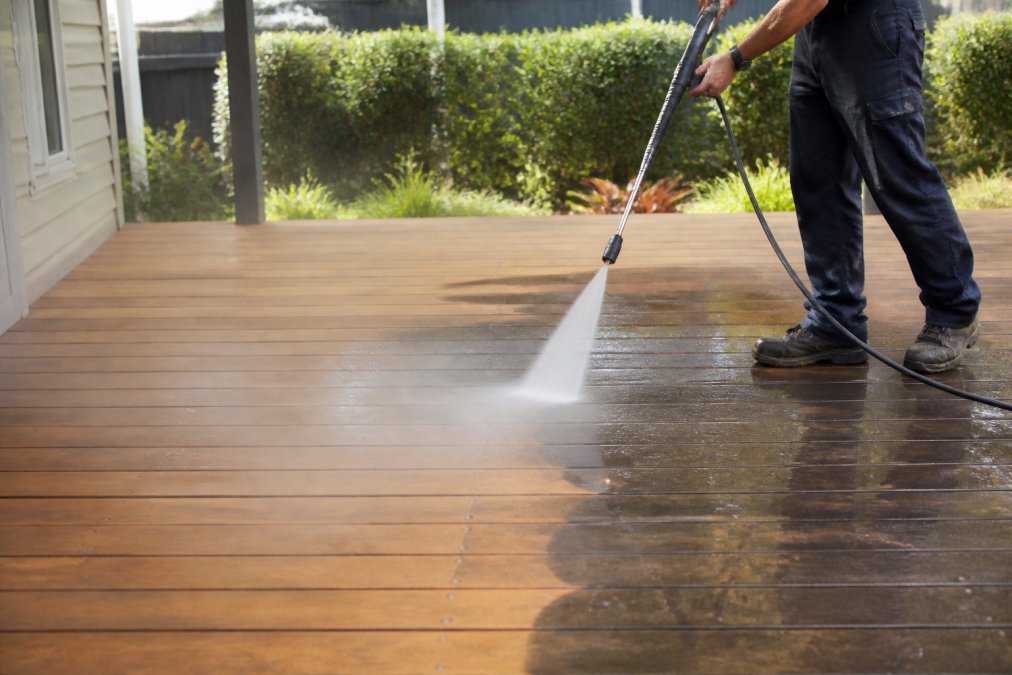
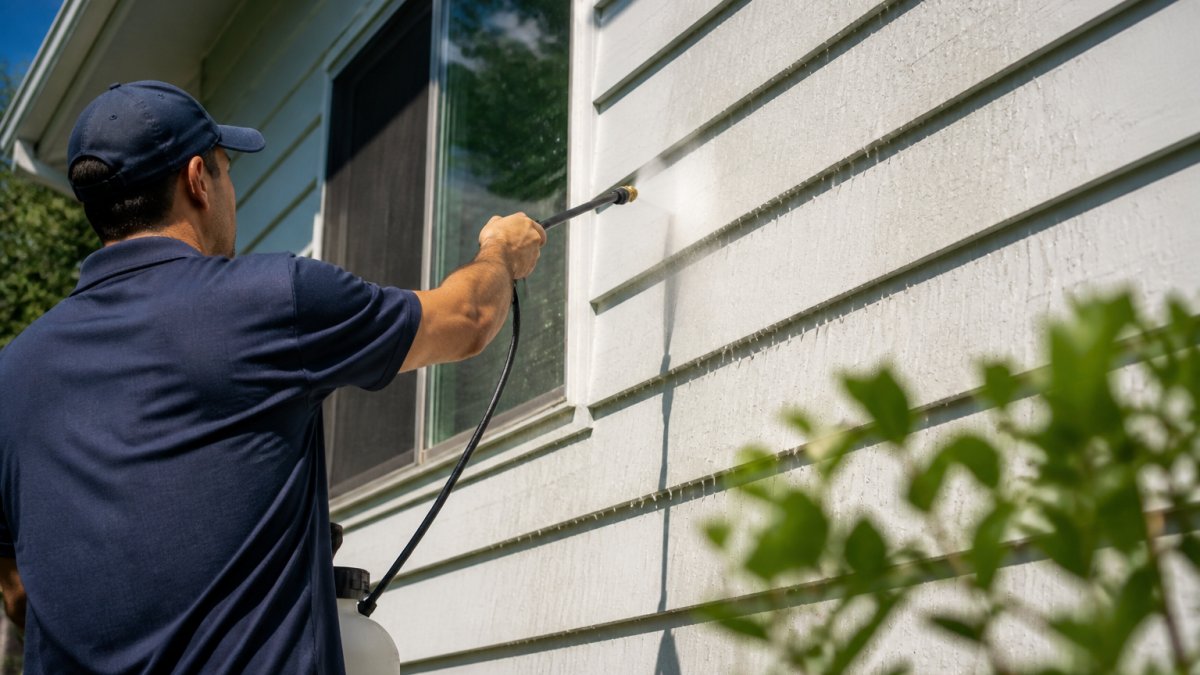
Painted siding, weatherboard, and rendered walls benefit from soft washing, which kills mould, mildew, and algae spores. Timber decks, fences, and pergolas are vulnerable to pressure damage; soft washing preserves wood grain while removing organic growth.
Removing Algae, Moss, and Organic Growth
Algae and moss thrive in damp conditions and create slippery surfaces. Pressure washing blasts them away temporarily, but they return quickly. Soft washing solutions kill organisms at their source.
Soft washing solutions penetrate and destroy biological growth, preventing regrowth for months. On roofs, rendered walls, and painted surfaces, soft washing solves the problem rather than masking it.
Pressure Washing Concrete Driveways and Heavy-Duty Surfaces
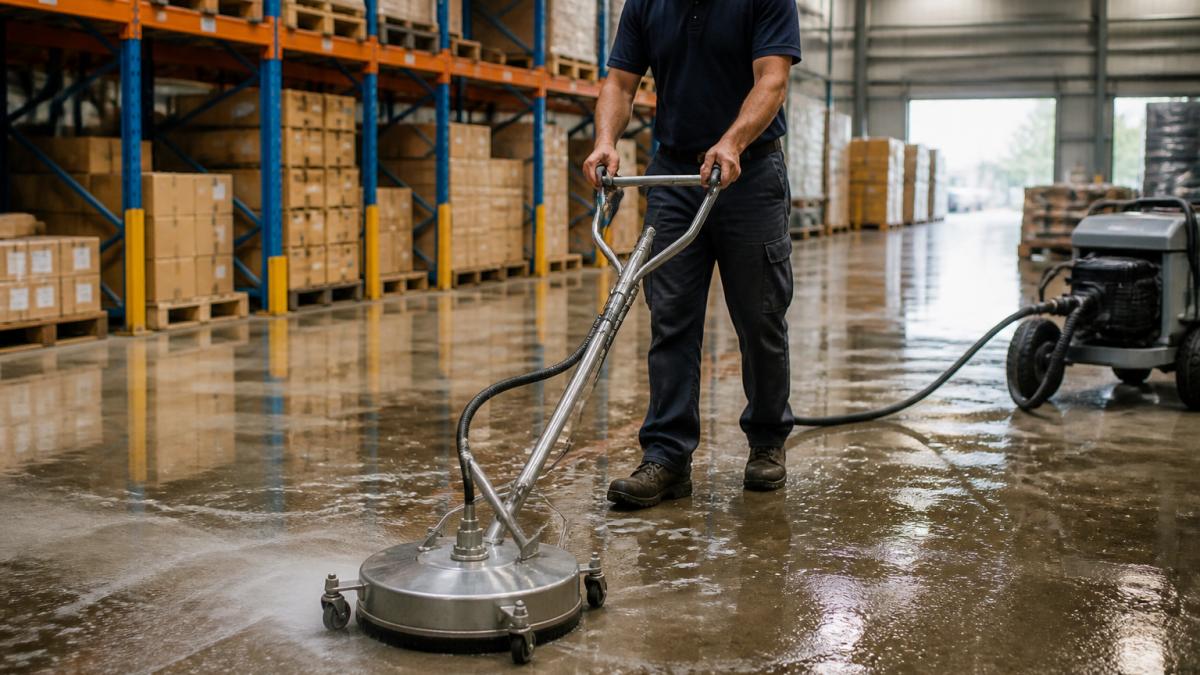
Pressure washing suits durable, non-porous surfaces where force is an asset. Concrete driveways, paved areas, and industrial surfaces benefit from high-pressure cleaning.
Concrete, Pavers, and Render
Concrete withstands 3,000-4,000 PSI without damage. Pressure washing removes oil stains, tyre marks, and grime that soft washing cannot shift. For driveways and paved areas, it's the fastest method.
Older pavers can crack under excessive pressure, and render may have weak points. A skilled operator adjusts pressure, but soft washing may be safer for older surfaces.
Graffiti Removal and Tough Stains
Graffiti and stubborn stains often require pressure washing because they're embedded in the surface. Soft washing solutions alone won't remove them.
Soft Wash vs Pressure Wash Cost: What Affects Your Quote
Pricing varies widely depending on property size, surface condition, and method. Understanding cost drivers helps you evaluate quotes fairly.
Primary Cost Factors
Property size and surface area is the dominant pricing variable.
Surface condition significantly affects price. Lightly soiled surfaces cost less than heavily stained or algae-covered areas.
Access and safety requirements increase costs. High walls, steep roofs, or areas requiring scaffolding add labour and insurance overhead.
Method-specific equipment and solutions influence cost differently. Soft washing requires specialised equipment and biodegradable solutions, often more expensive upfront.
Travel time and location matter. Contractors closer to your property charge less for travel.
Comparing Quotes: What to Look For
A detailed quote should specify:
- Which surfaces receive which method. A reputable contractor recommends soft washing for painted surfaces and pressure washing only for concrete or pavers, not the reverse. If a quote suggests pressure washing your entire house exterior, seek a second opinion.
- Cleaning solutions used. Ask for product names and whether solutions are biodegradable and environmentally safe. Cheaper contractors may use harsher chemicals; transparent providers list their products.
- Square meterage and labour hours. A breakdown of area and estimated time helps you compare value across quotes. Two quotes at different prices may reflect different scope, not just contractor margins.
- What's included and excluded. Does the quote cover gutters, downpipes, or only walls? Are pre-treatment, post-rinse, or protective measures included? Vague quotes often hide additional charges.
- Warranty or guarantee. Reputable contractors guarantee their work for a defined period (typically 30-90 days) if surfaces are not cleaned to standard. Pressure-washing guarantees are shorter than soft-wash guarantees because results don't last as long.
Cost-Effectiveness Over Time
Soft washing often delivers better value over multiple years. Soft washing every 18-24 months at $800 costs roughly $400-$533 per year; pressure washing every 6-12 months at $500 costs $500-$1,000 per year.
Consider your long-term maintenance budget, not just the single-visit cost. A contractor who recommends pressure washing soft washing, soft washing for your painted surfaces and pressure washing only for your driveway, is likely giving you honest, cost-effective advice.
Red Flags in Quotes
- Unusually low prices may indicate inexperienced operators, low-quality equipment, or harsh chemicals that damage surfaces or harm the environment.
- Vague descriptions ("exterior cleaning" without specifying surfaces or method) often hide surprises or poor workmanship.
- No mention of insurance or guarantees suggests the contractor may not be properly covered if damage occurs.
- Pressure-washing recommendations for delicate surfaces indicates the contractor prioritises speed and low cost over surface protection.
Always request at least two or three quotes before deciding. A detailed, transparent quote that explains method choices and includes realistic timelines is worth more than the cheapest option.
How Often to Soft Wash a House and Maintenance Intervals
The frequency of soft washing depends on your climate, property location, and how quickly organic growth returns.
In humid or shaded areas, soft wash every 12-18 months. In drier climates, every 2-3 years.
Pressure-washed surfaces need cleaning every 6-12 months because results don't address root causes. Soft washing extends intervals, making it more cost-effective long-term.
Regular maintenance prevents heavy buildup. A light soft wash every 18 months is cheaper than intensive cleaning after years of accumulation.
Chemical Safety, Environmental Precautions, and Runoff
Responsible contractors use biodegradable solutions and prevent harmful runoff from reaching stormwater drains or gardens.
Quality soft washing solutions break down naturally and won't harm plants, pets, or aquatic life. Reputable operators contain runoff and avoid spraying near sensitive areas.
Ask contractors about specific products and environmental protocols. Responsible providers explain chemical choices and runoff management.
Choosing a Cleaning Contractor: What to Ask Before Booking
Not all cleaning contractors are equally skilled, equipped, or trustworthy. A structured vetting process protects your property and ensures you hire someone who understands the differences between soft washing and pressure washing and applies each method appropriately.
Surface-Specific Experience and Method Recommendations
Ask for surface-specific examples. Request before-and-after photos of work on painted surfaces, roofs, rendered walls, and concrete driveways. A contractor experienced in your area understands local climate challenges affecting results.
Listen to their method recommendations. A contractor who suggests pressure washing your painted house exterior is inexperienced or indifferent to damage risk.
Ask about surface-specific risks. A knowledgeable contractor explains why render requires lower PSI than concrete, or why roof moss needs chemical treatment.
Insurance, Licensing, and Equipment Standards
Verify public liability insurance. Ask for a current certificate showing coverage for property damage and personal injury. If they can't provide proof, do not proceed.
Check for relevant qualifications. Contractors trained in equipment operation, chemical safety, and surface assessment are more reliable. Ask about certifications from manufacturers or industry bodies.
Inspect their equipment. Professional contractors use well-maintained equipment. Soft-washing rigs should have adjustable pressure controls, sealed chemical tanks, and safety features. Worn equipment suggests corner-cutting.
Chemical Safety and Environmental Responsibility
Ask for product names and safety data sheets. Reputable contractors use named solutions and provide safety information. If vague about products, that's a warning sign.
Understand their runoff management. Ask how they prevent contaminated water from reaching stormwater drains or sensitive areas. If they say "it all goes down the drain" without precautions, they're not managing environmental impact.
Confirm they'll protect your plants and pets. A contractor should ask about gardens and pets before starting and take protective steps.
Realistic Expectations and Guarantees
Ask how long results will last. Honest contractors give realistic timeframes: soft washing lasts 12-24 months; pressure washing, 6-12 months. If someone promises permanent results, they're overselling.
Understand what's guaranteed. Reputable contractors guarantee work for 30-90 days if surfaces aren't cleaned to standard. Guarantees don't cover natural resoiling after the service period.
Ask about maintenance recommendations. A contractor suggesting soft wash every 18 months is thinking about long-term property care, indicating professionalism.
Detailed Quote and Contract Clarity
Request a written, itemised quote specifying which surfaces receive which method, square meterage, cleaning solutions, labour time, total cost, what's included and excluded, and cancellation policy.
Clarify access and preparation. Ask whether the contractor will move furniture, cover plants, or protect air-conditioning units.
Confirm communication and scheduling. A professional contractor confirms appointments in writing, arrives on time, and updates you on delays.
Red Flags to Avoid
- No insurance or references. Move on.
- Pressure-washing recommendations for delicate surfaces. Indicates inexperience.
- Vague product descriptions. You have a right to know what's applied.
- Unusually low quotes. Often signal poor equipment or harsh chemicals.
- Unwillingness to provide detailed quotes. Reputable contractors assess properly.
- Pressure to pay upfront in full.
Making Your Final Decision
Choose a contractor who recommends soft washing for painted surfaces and pressure washing only where appropriate, provides detailed quotes, carries insurance, explains chemical choices, gives honest answers about results longevity, and communicates professionally.
Vetting a contractor properly protects your property's value and appearance. The contractor who understands your surfaces, explains their approach, and stands behind their work is worth the investment.
Frequently Asked Questions
What is the difference between pressure washing and soft washing?
Pressure washing uses high-pressure water, typically 2000-4000 PSI, to blast away stubborn dirt, grime, and stains from durable surfaces like concrete and driveways. Soft washing applies lower pressure with specialised cleaning solutions to remove organic growth such as algae and moss without damaging delicate materials like painted surfaces and roof tiles. The choice depends on your surface type and the type of dirt or organic growth you need removed.
How often should a house be soft washed?
Most homes benefit from soft washing every 12-24 months, depending on climate and organic growth rates. Properties in humid areas or those shaded by trees may accumulate algae and moss faster and need washing annually. A professional can assess your home's condition and recommend a maintenance schedule that keeps your exterior looking fresh without over-cleaning.
Can pressure washing damage a roof, siding, or painted surface?
Yes. High-pressure water can strip paint, damage roof tiles, and degrade rendered surfaces. Roofs, painted siding, and delicate materials require soft washing or very low-pressure application with detergent instead. A skilled contractor will assess your surfaces and choose the appropriate method to clean effectively without causing water damage or surface deterioration.
Is pressure washing or soft washing better for a concrete driveway?
Pressure washing is typically the better choice for concrete driveways because the surface is durable and can withstand high-pressure water. It removes embedded dirt, oil stains, and grime more effectively than soft washing. However, if your driveway has algae or moss, soft washing with detergent can be equally effective and gentler on the concrete's surface finish.