 how-to
Graffiti Removal Costs for Small Business: A Practical Price Guide
Quick Summary
Graffiti removal costs for a small business depend on the surface, the paint type, the size of the job, and how easy the site is to access. Most providers quote by job size and surface area, and some charge a minimum call-out fee. For a current quote based on your property, contact AquaBlast Elite directly.
- Graffiti removal is rarely priced at a single fixed rate; most providers quote by job size and surface area.
- Some providers charge a minimum call-out fee, even for a quick clean.
- Porous surfaces and permanent marker or stain usually take more passes and cost more to remove.
- Ask whether a quote includes setup, equipment, waste water disposal, and repeat visits.
- Test any DIY product on a small hidden area, since harsh removers can damage the surface.
Table of Contents
What Graffiti Removal Typically Costs for a Small Business
Graffiti removal costs for a small business depend on the surface, the paint, and how fast the job needs doing. For a current quote based on your property, contact AquaBlast Elite directly. This guide from AquaBlast Elite explains what drives those costs so you can judge a quote before you sign anything.
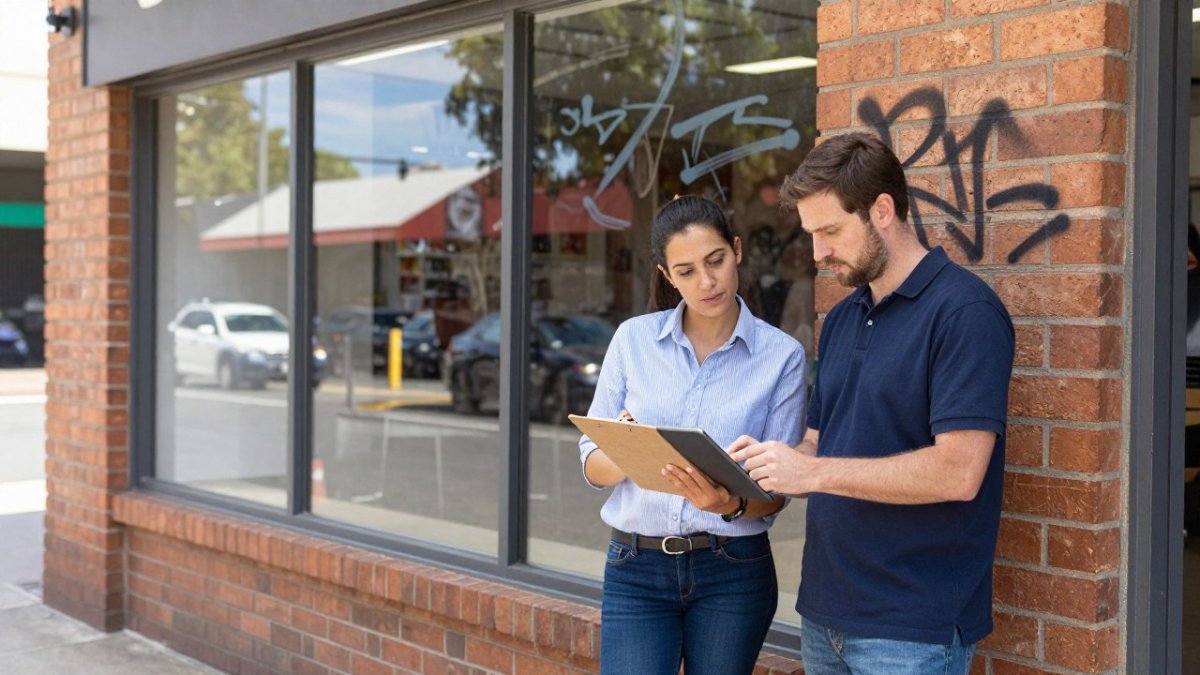
The first thing to know is that graffiti removal is rarely priced on a single fixed rate. Most providers quote by job size, surface area, and the effort needed to lift the paint without damaging what is underneath. Some charge a minimum call-out fee, even for a quick clean.
Small, medium and large job cost estimates
Costs scale with how much graffiti there is and how hard it is to remove. Pricing depends on job size, surface and access, so check with AquaBlast Elite for current prices or a quote.
- Small jobs: a single tag on a roller door or fence.
- Medium jobs: a wall or shopfront with several tags, or one larger piece on painted masonry.
- Large jobs: full-height walls, multiple surfaces, or heavy layers that need repeat passes or specialist products.
Pricing per square metre and minimum charges
Quotes may be structured in different ways. Ask whether the quote includes setup, equipment, disposal of waste water, and any repeat visits. Without that detail, two quotes that look similar can be very different in the end.
Factors That Change the Price of a Graffiti Clean-Up
Two buildings with identical tags can cost very different amounts to clean. The reasons are usually the surface, its condition, and how the site is set up.
Surface type, condition and paint or stain difficulty
Brick, concrete and painted masonry each need a different approach. Porous surfaces soak up paint, so removal takes more passes and more product. Older or damaged surfaces can also cost more because the cleaner has to work gently to avoid etching or stripping the finish.
Spray paint is usually easier to lift than permanent marker or stain, which can sink deep into the surface. A fresh tag on a sealed wall is the cheapest scenario. A faded, layered mural on raw brick is among the most expensive.
Site access, travel distance and job complexity
Access matters more than many business owners expect. A wall at ground level that is easy to reach costs less than a tag on a third-storey facade that needs a lift or scaffolding. Travel time, parking, and whether the site has water and power on hand all affect the final number.
A simple way to check: the more time a technician spends setting up, travelling, and protecting nearby surfaces, the higher the quote will be.
How to Read a Professional Graffiti Removal Quote
A good quote should be clear enough that you can explain each line to your bookkeeper. If it is not, ask for a breakdown before you agree.
Look for these items:
- Labour hours or a day rate, and whether there is a minimum charge
- Equipment and products used, including any specialist removers
- Surface preparation and protection of nearby areas
- Water, waste disposal, and any environmental handling
- Whether repeat visits for stubborn stains are included or charged separately
- Warranty or re-treatment terms if the marks return
Watch out: a very low quote sometimes leaves out the repeat passes needed to finish the job. Ask what happens if the first clean does not fully remove the paint.
DIY Graffiti Removal for Business: Savings Versus Surface Damage
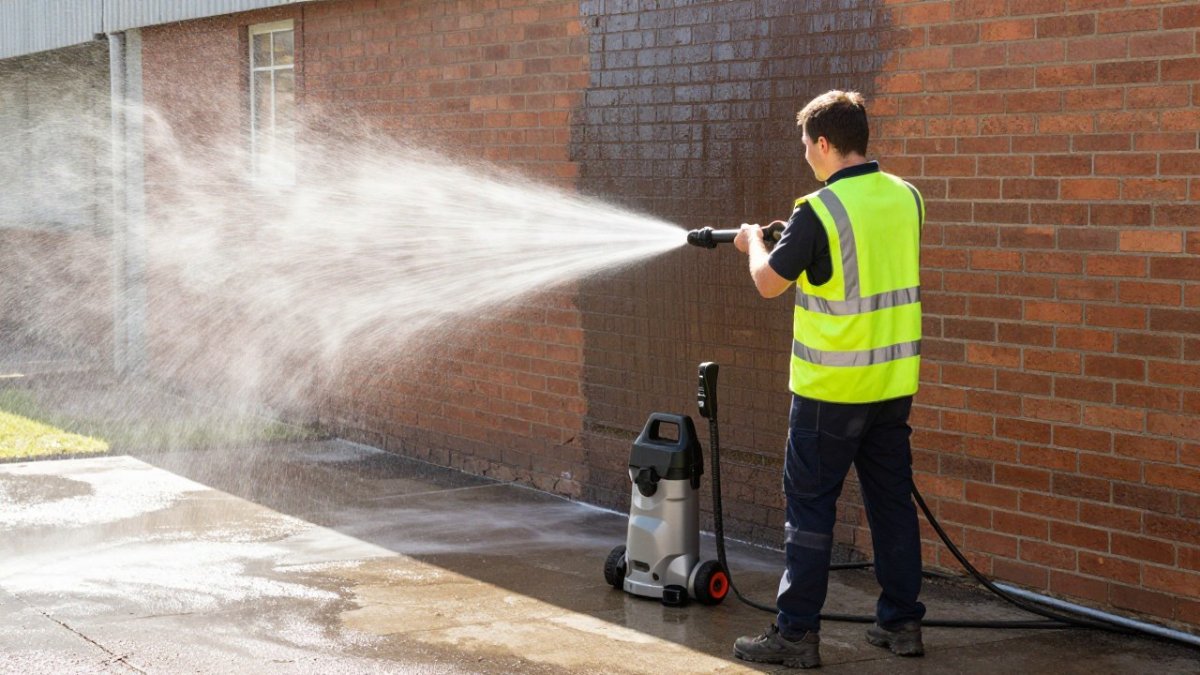
Doing it yourself can save money on a small tag, but the risks add up fast on a commercial building. Hardware-store removers can strip the paint and also the sealer, dull the surface, or leave a shadow mark that is harder to fix than the original graffiti. Pressure washing at high pressure can etch brick and damage mortar. Because the wrong pressure can turn a small cleanup into surface repairs, weighing pressure washing cost factors alongside the risk to brick and mortar helps keep the job in perspective.
Before you start, test any product on a small hidden area. If the job is large, involves multiple surfaces, or sits above ground level, the safer and often cheaper option is to call a professional. Many business owners find that a single damaged surface costs more to repair than the professional clean would have.
Insurance, Deductibles and Response Time: What They Mean for Your Bill
Some business insurance policies cover vandalism damage, but many have an excess (deductible) that you pay first. A small clean-up may fall below that excess, which means you pay for it yourself either way. Check your policy wording before you make a claim.
Response time also affects cost. Graffiti left for days tends to spread, get darker through weathering, and may need more work to remove. Acting quickly often means a simpler, cheaper job. Keep photos of the damage with dates, as insurers usually ask for them.
Anti-Graffiti Coatings: Paying Once to Cut Repeat Clean-Up Costs
A protective coating can make future clean-ups faster and cheaper. Once applied, many marks wipe off with mild cleaning rather than heavy solvents, which reduces labour and product use. The upfront cost is real, so the question is whether your property is tagged often enough to justify it.
Coatings work best on surfaces that are prepared properly first. The cleaning, drying, and application steps matter as much as the product itself, so ask any provider exactly how they prepare the surface and how long the coating lasts.
Booking Your Graffiti Clean-Up and Getting a Firm Quote
Start by taking clear photos of every affected surface, noting the size and the type of paint if you can. Then book an inspection or request a quote so the provider can see the site before pricing it.
AquaBlast Elite can inspect the surface and discuss the factors that apply to your job. You can book a call with AquaBlast Elite to discuss your site, or contact the team for current pricing.
Last Updated: November 6, 2026
Frequently Asked Questions
How much does professional graffiti removal cost for a small business?
Costs depend on the size of the area, the surface and how the paint has bonded. Small jobs on a single shopfront wall are usually the most affordable per square metre, while larger jobs on masonry or multiple surfaces cost more in total. Quotes are typically based on a site inspection. Ask for a written quote that itemises labour, equipment, materials and any disposal, so you can compare providers on the same basis.
Is it cheaper to remove graffiti yourself or hire a professional?
DIY removal looks cheaper because you only pay for cleaner and equipment, but it often takes longer and can leave marks, etch porous surfaces or spread paint into the surrounding material. A professional clean uses the right chemistry and pressure for the surface, which can prevent a larger repair bill later. For small, non-porous surfaces such as glass or painted metal, DIY may be reasonable; for brick, concrete or heritage finishes, a professional is usually the safer choice.
Does insurance cover graffiti removal for a business?
Some commercial property and business insurance policies cover vandalism damage, including clean-up, but many impose an excess (deductible) that can absorb the cost of a small job. Check your policy wording for vandalism and malicious damage cover, and note any time limits for reporting. Keep dated photos, the police report number if you lodged one, and the written quote, as insurers usually require these before paying out.
How can a small business reduce repeat graffiti removal costs?
The most effective approach combines prevention and fast response. Remove graffiti as soon as it appears, because fresh paint is easier and cheaper to lift than paint that has cured for weeks. Improve lighting and visibility, and consider a protective anti-graffiti coating on frequently targeted surfaces. Arrange a maintenance schedule with your provider so repeat tags are handled before they build up.