 how-to
How to Choose a Professional Pressure Cleaning Service
Table of Contents
- Start With Local Providers Who Specialise in Hard Surfaces
- What a Proper Pressure Cleaning Quote Should Include
- Check Insurance, Licensing and Safety Before You Book
- Soft Washing vs Pressure Washing: Match the Method to the Surface
- Safe Pressure Washing for Residential Siding and Timber
- Vet Reviews, Experience and Proof of Results
- Your Pressure Cleaning Checklist and Questions to Ask
- Frequently Asked Questions
Last Updated: October 20, 2026
Start With Local Providers Who Specialise in Hard Surfaces
Choosing a professional pressure cleaning service starts with local operators who work on hard surfaces daily. A handyman with a hired machine is not a specialist, the difference shows on your driveway, render and timber deck.
Start your shortlist with these filters:
- Service area: confirm they actually cover your suburb, not just "greater metro"
- Surface range: concrete, pavers, render, timber, Colorbond and graffiti removal are different jobs
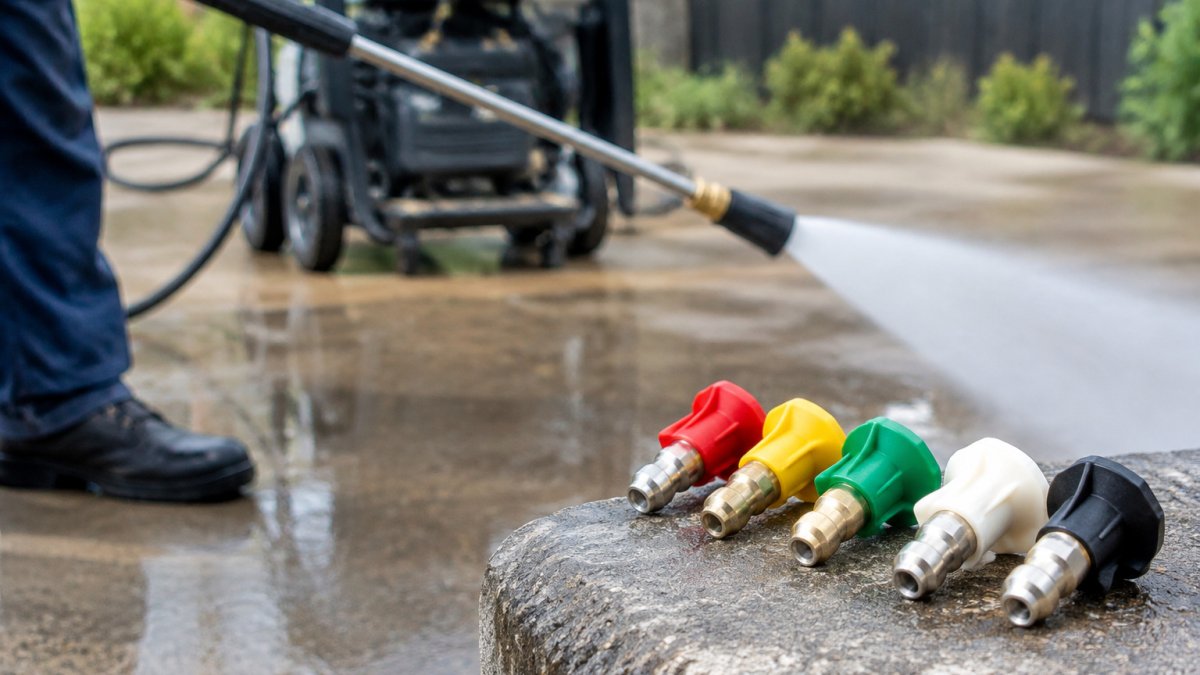
- Equipment: professional-grade units with adjustable pressure and interchangeable nozzles
Ask early: "What surfaces do you clean most weeks?" The answer separates a pressure cleaning specialist from a jack of all trades.
Get a free quote from at least three local providers. Compare what each one includes, not just the headline number. A low figure usually means a smaller scope.
What a Proper Pressure Cleaning Quote Should Include
A pressure cleaning quote should list the surfaces, method, time on site and exclusions. A single number on a text message is not a quote.
Most disputes come down to scope, not workmanship: the customer expected the back patio and fence, the provider quoted the driveway only. That gap is where hidden costs live.
A complete quote covers:
- Surface area: measured in square metres, per surface
- Method: pressure rating, nozzle choice, soft washing where needed
- Access: water source, power access, parking, gate width
How to Read a Quote Line by Line
Read a quote in this order so you can compare it to another:
- Scope first, price second. A 60 square metre driveway and a "front yard" are not the same job.
- Check the method column. "Pressure clean" for render or Colorbond is a red flag, not a bargain, soft washing takes longer and costs more because it is correct.
- Look for what is missing. No mention of water access, drain protection or plant covering means those tasks are skipped or added as extras.
- Read the exclusions. Oil stains, rust, failed paint and cracked tiles are commonly excluded, reasonable, but know before the day.
- Confirm what "clean" means. Ask whether the price includes a second pass on stubborn areas or an inspection with you present.
Hidden Costs to Watch For
A low headline figure usually hides one or more of these:
- Water access fee: some providers charge extra if they must bring a water tank because no tap is available.
- Runoff containment: bunding, pump-out or vacuum recovery of wastewater is labour and equipment. If it is not in the quote, it is not in the job.
- Stain treatment: rust, oil, tannin and fertiliser stains often need a separate chemical process and dwell time. Ask whether the price includes one attempt or treatment until removed.
Compare Like for Like
Put two quotes side by side: same surfaces, same method, same protection and waste handling? If not, the cheaper quote is not cheaper, it is smaller.
Pricing depends on surface area, condition and access, so ask for a written breakdown. A provider who will not break down a quote usually will not break down a dispute either.
Check Insurance, Licensing and Safety Before You Book
Insurance and safety checks take five minutes and save months of grief.
Also confirm:
- Workers compensation cover for anyone on your property
- Working at height process for second-storey exteriors and roofs
- Chemical handling: safety data sheets for any detergent used
Ask how they protect stormwater drains. Water containing detergent, oil or paint residue should not flow into the gutter (Guidance for stormwater management: the drain is just for rain).
For guidance on what applies to runoff and site water, check the environmental protection guidance on water pollution. It sets out why drain protection matters on outdoor cleaning jobs.
A provider who hesitates on any of these questions is telling you something useful.
Soft Washing vs Pressure Washing: Match the Method to the Surface
Soft washing and pressure washing are not interchangeable. Soft washing uses low pressure with a cleaning solution to lift mould, algae and grime.
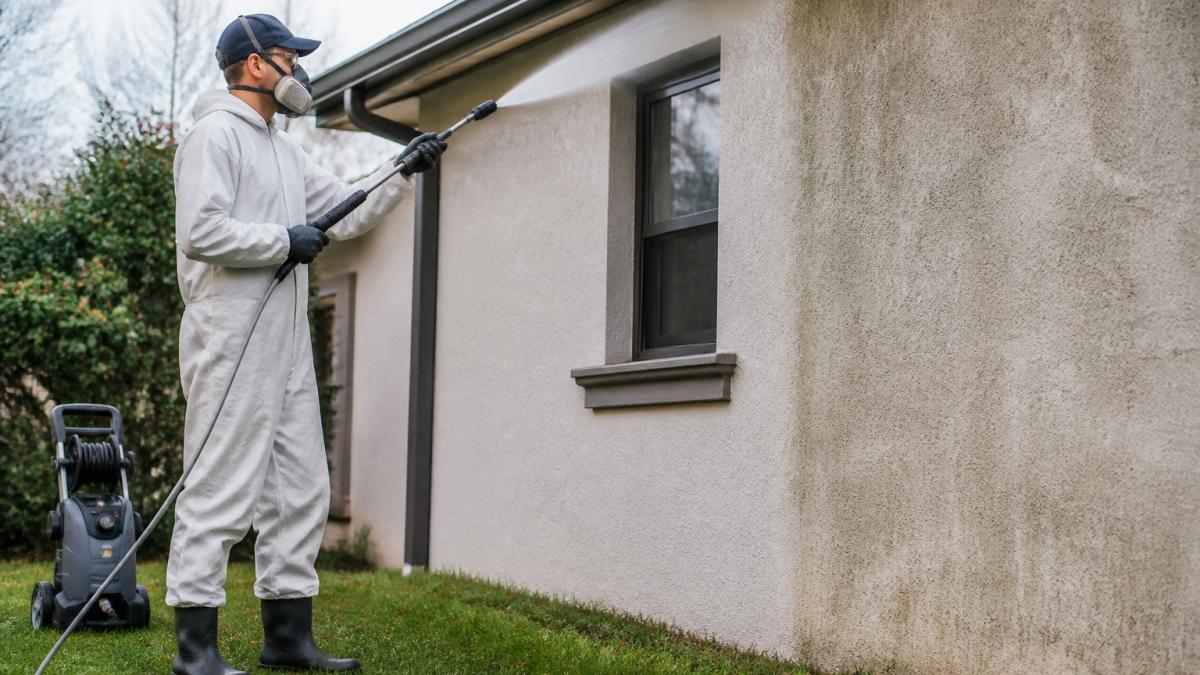
Match the method to the surface or you risk damage:
| Surface | Recommended method | Why |
|---|---|---|
| Concrete driveway | High pressure with surface cleaner | Handles dirt and tyre marks |
| Render and painted walls | Soft wash | High pressure strips paint and coating |
| Timber decking | Low pressure, wide nozzle | Splinters and furring from close blasting |
| Roof tiles | Soft wash | Pressure cracks tiles and voids warranty |
| Colorbond fencing | Low pressure | Scratches coating and promotes rust |
| Pavers | Medium pressure, then re-sand | Blasting washes out joint sand |
The method matters more than the machine. A skilled operator knows which nozzle and spray angle suits each job.
Ask directly: "Will you soft wash the render?" A blank look means that provider is not right for painted or rendered surfaces.
Safe Pressure Washing for Residential Siding and Timber
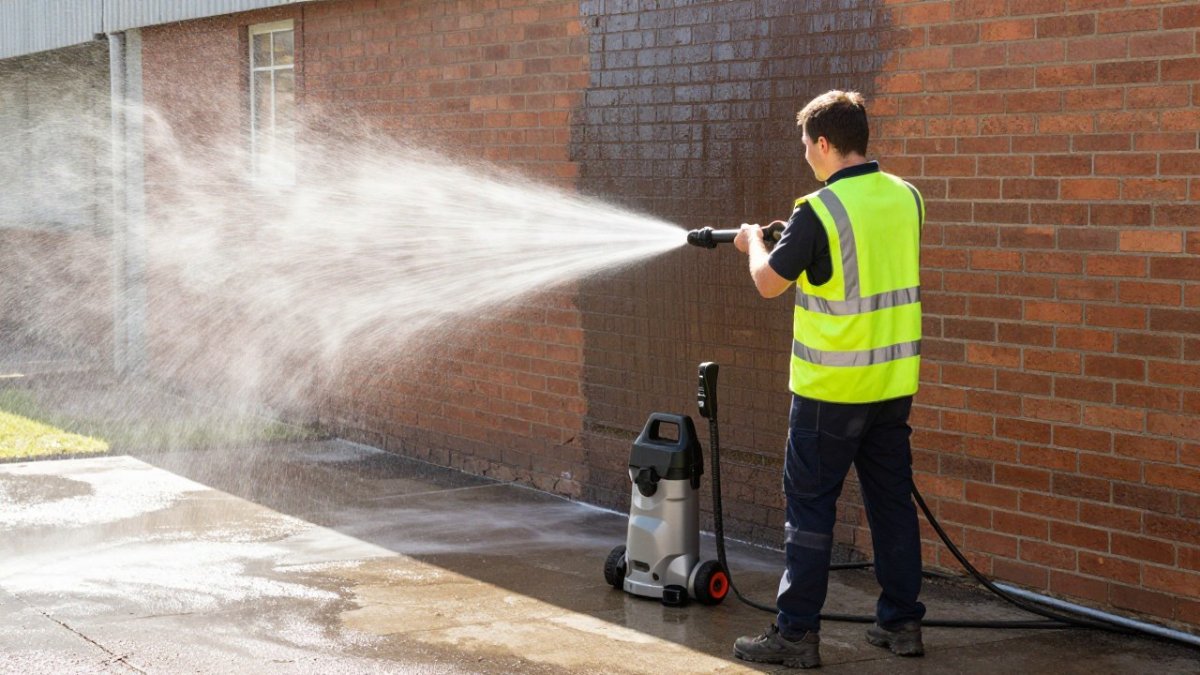
Safe pressure washing for residential siding comes down to pressure, distance and dwell time: keep the nozzle moving, step back, and let detergent do the work on anything soft.
Timber is where DIY jobs go wrong most often. A narrow nozzle held close will gouge the grain, raise the fibres and leave a fuzzy finish that never recovers.
For timber and siding:
- Pressure: start low, increase only if needed
- Nozzle: 25 or 40 degree, never a pinpoint jet
- Distance: keep the wand moving and stay back from the surface
Windows, vents and outdoor power points need protection too; water forced behind cladding causes problems weeks later.
If your home has older timber, ask for a test patch before the full job. A provider who agrees understands the risk.
Vet Reviews, Experience and Proof of Results
Reviews tell you what a provider is like to deal with, photos show their work, and guarantees show what happens when something goes wrong. You need all three.
Read Reviews for Patterns, Not Stars
A wall of five-star one-liners proves little. Look for reviews naming specific surfaces, suburbs and problems. Useful signals:
- Punctuality and communication: did they turn up when they said, and call if plans changed?
- Scope discipline: did the final invoice match the quote, or were there surprise extras?
- Problem handling: how did they respond when a stain did not lift or a plant was damaged? A calm, documented response is worth more than a perfect job.
Ignore the star average alone: three detailed reviews of the same job type beat thirty generic ones.
Verify Experience With Evidence, Not Claims
Ask for proof you can check:
- Before-and-after photos of the same surface type, ideally in your area and similar condition
- References from two recent local jobs you can contact
- Years in business and how long the current crew has worked together, high staff turnover shows in inconsistent results
- Insurance and credentials sighted, not just described (see the insurance section above)
A proven provider will ask about surface type, coating age, water source, access and prior sealing before quoting. If they quote without asking, they are guessing.
Compare Guarantees and Aftercare Before You Book
This is where the real difference between providers shows. Ask each shortlisted provider:
- What is the workmanship guarantee, and how long does it run? A written re-clean policy for a defined period is standard among established operators; a verbal "we'll fix it" is not.
- What counts as a valid claim? Confirm whether the guarantee covers stains that return, joint sand that washes out, or coating damage, and what is excluded (pre-existing damage, failed paint, rust).
- What is the complaint process? Who do you contact, how quickly will they respond, and will they inspect on site?
- What happens if results are incomplete? Ask whether they will return for a second pass at no charge and within what timeframe.
- What aftercare advice do they give? Resealing, re-sanding and curing times affect how long the result lasts.
- Who actually performs the work? Confirm whether the person quoting is the person cleaning, or whether subcontractors will attend, and if so, that they carry their own insurance.
Red Flags in the Vetting Process
- A quote with no surface list and no exclusions
- No certificate of currency for public liability
- No before-and-after photos of comparable work
- Reluctance to name a guarantee period in writing
If two or more appear, move to the next provider on your shortlist. Switching costs an afternoon; a bad job on render or timber costs a repair bill.
Your Pressure Cleaning Checklist and Questions to Ask
Use this checklist before you book. It covers the gap topics most quotes ignore.
Credentials
- Public liability certificate of currency sighted
- Workers compensation cover confirmed
- Relevant trade or industry membership, if claimed
Quote and scope
- Surface by surface breakdown in square metres
- Method named for each surface
- Exclusions listed in writing
- Start date and estimated hours on site
Safety and property protection
- Water source and power access agreed
- Drain and runoff protection explained
- Plants and fixtures covered or moved
- Chemical safety data sheets available
Aftercare
- Guarantee or re-clean policy in writing
- Complaint process explained
- Advice on resealing or re-sanding where relevant
Questions to ask before booking:
- Which surfaces will you soft wash rather than pressure wash?
- Can you show before-and-after photos of a similar job nearby?
- How do you stop runoff reaching the stormwater drain?
- What happens if a stain does not come out?
- Who is on site, and are they insured?
- How soon after cleaning can the surface be sealed or re-sanded?
For more on outdoor cleaning and surface care, the guidance on outdoor water use and cleaning is worth a read before you book.
Most homeowners start hoping for a simple number, then discover the real work is in the questions.
We quote surface by surface, match the method to the material, and protect your drains, gardens and coatings from the first pass. We service homes, commercial properties and industrial sites across Sydney and surrounds, including graffiti removal and ongoing exterior maintenance.
Get started with AquaBlast Elite and book a call to get a written, surface-specific quote for your property.
Frequently Asked Questions
What should I look for when choosing a professional pressure cleaning service?
Look for three things: proof of public liability insurance, a written quote that lists surfaces, method and inclusions, and verifiable reviews from jobs similar to yours. Ask how they protect gardens, windows and drains, and confirm the technician will adjust water pressure and nozzles per surface. A provider who asks about your surface type before quoting is a good sign. Get at least two or three quotes and compare scope, not just the bottom line.
What should a pressure cleaning quote include?
A solid pressure cleaning quote names each surface (driveway, patio, siding, deck), the method for each (soft washing vs pressure washing), and whether pre-treatment, stain removal and re-sanding are included. It should state the total surface area in square metres, call-out fees, GST, and any access or water-supply conditions. Ask whether re-visits for stubborn stains cost extra. If a quote is a single number with no scope, treat it as incomplete and request a breakdown.
Is soft washing safer than pressure cleaning for exterior surfaces?
For most exterior surfaces, yes. Soft washing uses low water pressure with a cleaning solution to kill mould, algae and grime, so it is the safer choice for rendered walls, painted siding, timber decks and roofs. High pressure is better suited to concrete, pavers and hard paving where stains are ingrained. A good provider will recommend the method per surface rather than blasting everything at maximum pressure.
Should a pressure cleaning service have insurance?
Yes. Ask for a certificate of currency for public liability insurance before work starts. This covers damage to your property or injury to a worker on your site. Also ask whether workers are covered for their own injuries. A provider who hesitates or cannot produce a certificate is a risk you should not take, because any damage becomes your problem to resolve.