 ultimate-guide
Cost of Professional Driveway Pressure Cleaning: 2026 Guide
Table of Contents
- What Determines the Cost of Professional Driveway Pressure Cleaning
- Driveway Pressure Cleaning Price Per Square Metre Explained
- How Long Does Driveway Pressure Cleaning Take?
- What's Included in a Professional Pressure Wash
- Benefits of Professional Driveway Sealing
- Environmental Impact and Chemical Usage
- How to Choose a Professional Driveway Pressure Cleaning Service
- Frequently Asked Questions
Last Updated: September 15, 2026
What Determines the Cost of Professional Driveway Pressure Cleaning
Professional driveway pressure cleaning in Australia typically costs a few hundred to over a thousand dollars, driven by surface area, condition, and site access.
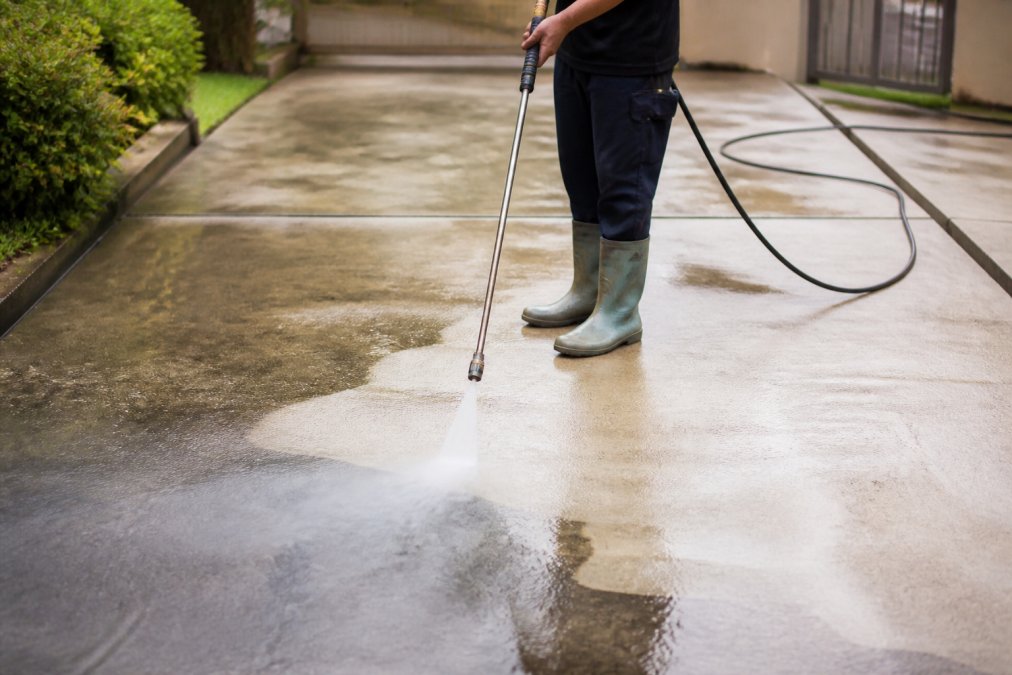
Driveway pressure cleaning uses high-pressure water, specialised detergents, and rotary surface cleaners to strip dirt, mould, oil stains, and biological growth from hard surfaces. Unlike a garden hose, professional equipment restores concrete and pavers without damage, if the operator knows what they're doing.

Surface Type and Condition
Concrete is cheapest to clean, hard-wearing and forgiving of high pressure. Pavers take longer because joints need attention and loose pavers must be handled carefully. Timber needs low pressure and specialist care to avoid splintering or stripping the grain.
Condition matters too: a lightly soiled driveway may need one pass, while oil stains, mould, or years of grime require degreasing, pre-treatment, and possibly sealing.
Access, Size, and Site Complexity
Site complexity is where quotes diverge most: a wide, open driveway takes far less time than a narrow, sloping surface hemmed in by garden beds and parked cars.
Access issues that add cost include:
- No off-street parking for the cleaning unit
- Steep gradients or uneven surfaces
- Tight gates or obstructed pathways
- Adjacent surfaces that need protection from overspray
Water access matters too: without a nearby tap, the operator may need a tank, adding setup time.
Driveway Pressure Cleaning Price Per Square Metre Explained
The driveway pressure cleaning price per square metre is the most transparent way to compare quotes, because it normalises cost across different driveway sizes. Whether you're offered a square metre rate or a flat rate tells you a lot about how the job will be priced.
A square metre rate suits open driveways where the operator can move efficiently; flat rates suit complex jobs where access, condition, or extra treatments make per-metre pricing unreliable.
| Pricing Method | Best For | Watch Out For |
|---|---|---|
| Square metre rate | Open, standard driveways | Minimum callout charges |
| Hourly labour cost | Complex or unpredictable jobs | Open-ended total cost |
| Flat rate | Bundled clean and seal | Scope exclusions in fine print |
Hourly Rate vs Flat Rate Pricing
Hourly labour cost is common for commercial power washing and heavily soiled surfaces where time is hard to predict. The risk: your invoice depends on how long the job takes, which varies with weather and surface condition.
Flat rate pricing gives certainty up front, usually bundling surface preparation, deep cleaning, and a defined scope. But flat rates often exclude extras like stain removal or sealing, so read the inclusions carefully.
How Long Does Driveway Pressure Cleaning Take?
A typical residential driveway takes one to three hours for a standard clean; larger or heavily soiled surfaces can take half a day or more (How Much Does Pressure Cleaning Cost? (2026)). Time is the biggest input into any quote, since labour, water, fuel, and equipment wear all scale with it, so realistic timeframes help you sanity-check a quote.
Small, Medium, and Large Driveway Estimates
The table below shows typical timeframes and price bands most providers work within. Treat the dollar figures as indicative only, a firm quote should follow a site inspection.
| Driveway Size | Typical Area | Typical Time | Indicative Price Range |
|---|---|---|---|
| Small (single car) | Up to ~20 m² | 1-1.5 hours | Lower end of the market rate |
| Medium (double car) | ~20-40 m² | 1.5-3 hours | Mid-market rate |
| Large (double car plus turning area) | ~40-70 m² | 3-5 hours | Upper mid-market rate |
| Large or commercial | 70 m²+ | 5+ hours, often split across visits | Quoted per project |
Sealing adds drying time between stages, so a clean-and-seal job always takes longer than cleaning alone, often an extra day, since most sealers need a dry surface and a cure window before traffic returns.
Why Surface Type Changes the Time (and the Price)
Two driveways of the same area can take very different amounts of time depending on material, the variable most price guides skip, and often why two quotes for the "same" driveway differ by hundreds of dollars.
- Concrete is fastest, hard-wearing and tolerant of a rotary surface cleaner at higher pressure.
- Pavers take longer because joints trap dirt, moss, and weeds. The operator must pre-treat joints, clean at lower pressure to avoid dislodging bedding sand, and sometimes re-sand afterwards.
- Bitumen and asphalt require lower pressure and cooler water, since heat and force can soften the binder and strip aggregate.
- Natural stone (sandstone, bluestone, travertine) is slowest and most delicate, porous and prone to etching, staining, or fracturing, so it needs gentler settings and surface-specific products.
- Exposed aggregate sits between concrete and pavers, the stones tolerate pressure, but the matrix between them can erode if the nozzle is held too close.
Rule of thumb: if a provider quotes the same square metre rate for concrete and natural stone, they either haven't inspected the surface or are pricing stone as concrete. Neither is a good sign.
What Else Adds Time on the Day
Beyond size and surface, several on-site factors routinely extend a job:
- Heavy organic growth, thick mould, algae, or lichen needs a dwell period before the pressure pass.
- Oil and rust staining, degreasers and rust removers need time to react; stubborn stains may need repeat applications.
- Edging and detail work, the strip along walls, garden beds, and garage thresholds is done by hand with a wand, which is slow.
- Water access, without a nearby tap, the operator may need hoses or a tank, adding setup and pack-down time.
- Runoff management, containing wastewater and protecting adjacent garden beds adds time on sensitive sites.
How Time Translates Into Your Quote
Most providers build a quote from three components: labour (time on site × hourly rate), consumables (detergent, fuel, water if tanked), and a margin for equipment and travel. That's why a driveway taking twice as long doesn't cost twice as much, consumables and travel stay roughly fixed, so only labour scales.
This is why hourly pricing is risky on complex jobs: underestimate and the invoice grows; overestimate and you pay for padding.
What's Included in a Professional Pressure Wash
Benefits of Professional Driveway Sealing
How Sealing Costs Vary by Surface
Sealing as Part of a Maintenance Plan
A Pre-Quote Inspection Checklist
Environmental Considerations When Sealing
Environmental Impact and Chemical Usage
How to Choose a Professional Driveway Pressure Cleaning Service
Frequently Asked Questions
How much does it cost to pressure clean a driveway?
Pricing depends on size, surface type, and condition. Most providers quote per square metre or hourly, but rates vary. For an accurate figure, request a quote from a professional driveway pressure cleaning service like AquaBlast Elite, who can assess your specific driveway.
What factors influence the price of professional driveway cleaning?
Key factors include driveway size, surface material (concrete, pavers, timber), level of soiling (mould, oil stains, graffiti), access difficulty, and whether sealing or post-cleaning treatments are added. These variables determine the time and equipment required, directly impacting the final cost.
Is it cheaper to hire a professional or do it yourself?
DIY may seem cheaper initially, but hiring a professional often saves money long-term. Professionals have high-pressure equipment, surface-specific knowledge, and safety standards that prevent damage. DIY mistakes can lead to costly repairs, making professional driveway pressure cleaning a better investment.
How often should you have your driveway pressure cleaned?
Most driveways benefit from a professional clean every 12 to 18 months. High-traffic areas or those prone to mould and mildew may need cleaning every 6 to 12 months. Regular maintenance preserves surface integrity and curb appeal, and scheduling with a provider like AquaBlast Elite ensures consistency.
Does professional pressure cleaning include driveway sealing?
Not always. Sealing is often an add-on service. The benefits of professional driveway sealing include extended surface life, stain resistance, and enhanced appearance. Ask your provider if sealing is included or available as an extra when obtaining a quote.
What is the difference between pressure washing and soft washing?
Pressure washing uses high-pressure water to blast away grime, suitable for concrete and pavers. Soft washing uses lower pressure with specialised cleaning solutions, ideal for delicate surfaces like timber or painted areas. Professionals select the method based on your driveway material to avoid damage.
Driveway cleaning quotes vary because the work varies, and the cheapest option often hides exclusions that cost more later. AquaBlast Elite brings cutting-edge high-pressure cleaning equipment and years of industry expertise to every job, servicing residential, commercial, and industrial clients with a scope built around your surface, not a template. Get started with AquaBlast Elite and restore the appearance of your driveway with a clean that's done properly the first time.