 how-to
Commercial Pressure Cleaning Maintenance Schedules for Businesses
Table of Contents
- Why Commercial Pressure Cleaning Schedules Matter
- Factors That Determine Commercial Pressure Cleaning Frequency
- Recommended Commercial Pressure Cleaning Frequency by Business Type
- Creating a Commercial Cleaning Schedule Template for Your Business
- Commercial Cleaning Frequency by Area: High-Traffic vs Low-Traffic Zones
- Pressure Cleaning Cost for Businesses: Budgeting for Regular Maintenance
- Safety, Environmental Compliance, and Operational Planning
- Measuring Schedule Effectiveness and Adjusting Frequency
- Frequently Asked Questions
Last Updated: October 17, 2026
Why Commercial Pressure Cleaning Schedules Matter
A clean exterior is the first thing customers notice about your business. Dirt, mould, algae, and grime build up over time and damage your property's appearance and value.
The real cost isn't just aesthetic. Dirty surfaces become slippery hazards. Algae and mould eat into concrete and timber. Graffiti gets harder to remove the longer it sits. A proactive cleaning schedule prevents all of this.
A clean exterior projects a professional image that attracts customers and tenants. The question isn't whether you need commercial pressure cleaning maintenance schedules for businesses, it's how to build one that actually works for your operation.
Factors That Determine Commercial Pressure Cleaning Frequency
Not every surface needs the same attention. Your cleaning schedule depends on several specific factors that determine how fast dirt accumulates and how much damage occurs without cleaning.
Traffic volume and facility use
High-traffic areas get dirty faster. An entrance that sees 500 people daily will look grimy much sooner than a back service area used by five staff members. The more foot traffic, the more soil gets tracked onto surfaces. More bodies mean more moisture, which encourages mould and algae growth.
Operating hours also matter. A 24-hour facility generates more wear than one open nine to five. Outdoor areas exposed to weather all day accumulate debris faster than sheltered zones. Consider how many people use each area and how long it's exposed to the elements.
Weather exposure and environmental conditions
Climate shapes your cleaning needs significantly. Rain washes away some dirt but also deposits new contaminants. Humidity promotes mould and algae. Dry, sunny conditions cause salt and mineral deposits to harden on surfaces. Wind carries dust and debris onto buildings and driveways.
Your location matters too. Coastal areas face salt spray that corrodes concrete and metal. Industrial zones get fallout from nearby operations. Areas near trees deal with leaf litter, sap, and bird droppings. Pollution and vehicle emissions leave dark stains on building facades.
Surface type and material sensitivity
Different materials clean differently and need different schedules. Polished concrete stains easily and shows dirt quickly. Rough concrete hides dirt but traps contaminants deeper. Timber requires gentler pressure to avoid damage. Painted surfaces need careful technique to avoid stripping paint.
Some surfaces are more vulnerable to pressure damage. Old or porous materials can crack under high pressure. Delicate finishes need lower pressure settings. Understanding your surface type prevents costly mistakes and ensures your cleaning extends surface life rather than shortening it.
Recommended Commercial Pressure Cleaning Frequency by Business Type
Your industry and specific operations determine realistic cleaning intervals. A retail shop has different needs than a manufacturing plant or office park.
Retail and hospitality venues
Retail storefronts need frequent cleaning because customers judge businesses by appearance. Entrance areas should be cleaned every two to four weeks. These high-traffic zones accumulate visible dirt, footprints, and dust quickly.
Driveways and car parks in retail areas see constant use. Plan quarterly pressure cleaning for these surfaces. If you're in a coastal area or near industrial zones, increase to eight-weekly cleaning to manage salt spray or fallout.
Hospitality venues, cafés, restaurants, hotels, need even more frequent cleaning. Outdoor dining areas and entrance ways should be cleaned every two to three weeks. Food residue, spills, and weather exposure make these areas grimy fast.
Industrial and manufacturing facilities
Industrial sites accumulate heavy soils, oils, and chemical residues. These surfaces need deep cleaning but less frequently than retail areas. Plan quarterly or semiannual pressure cleaning for general facility grounds.
High-risk areas, loading docks, equipment zones, chemical storage areas, need monthly attention. These spots collect spills and residue that pose safety hazards. Regular cleaning prevents slip risks and keeps regulatory compliance tight.
Roof and exterior walls in industrial zones collect fallout and pollution. Annual or semiannual cleaning prevents buildup that causes material degradation. The investment in regular maintenance costs far less than repainting or replacing corroded surfaces.
Office parks and corporate buildings
Office parks typically need less frequent cleaning than retail or hospitality. Entrance areas and main walkways should be cleaned quarterly or semiannually. These are lower-traffic zones compared to shops, so dirt accumulates slower.
Parking areas and service roads in office parks benefit from semiannual cleaning. These surfaces don't see the constant foot traffic of retail but still accumulate vehicle residue, tyre marks, and weather-related staining.
Building facades and windows can be cleaned annually or as needed. Unless your building is near major traffic or industrial sources, annual cleaning maintains professional appearance without excessive cost.
Creating a Commercial Cleaning Schedule Template for Your Business
Start by mapping your property zones and assigning cleaning frequencies based on the factors we've covered.
For each zone, write down:
- Surface type (concrete, timber, painted, metal)
- Traffic level (high, medium, low)
- Weather exposure (full sun, sheltered, coastal, industrial)
- Current condition (clean, moderately soiled, heavily soiled)
Then assign a cleaning frequency:
- High-traffic, high-exposure areas: every 2-4 weeks
- Medium-traffic areas: quarterly (every 12 weeks)
- Low-traffic or sheltered areas: semiannually (every 26 weeks)
- Annual or as-needed: roofs, upper facades, specialised surfaces
Write these into a calendar. Assign responsibility to a staff member or external contractor. Set reminders two weeks before each scheduled cleaning. Track completion and condition changes.
A written schedule keeps cleaning consistent. It prevents the common mistake of waiting until surfaces look terrible before calling for help. Proactive scheduling is cheaper and more effective than reactive cleaning.
Commercial Cleaning Frequency by Area: High-Traffic vs Low-Traffic Zones
High-traffic and low-traffic zones need completely different cleaning strategies. Separating them helps you allocate budget and effort efficiently.
Entrance ways and customer-facing areas
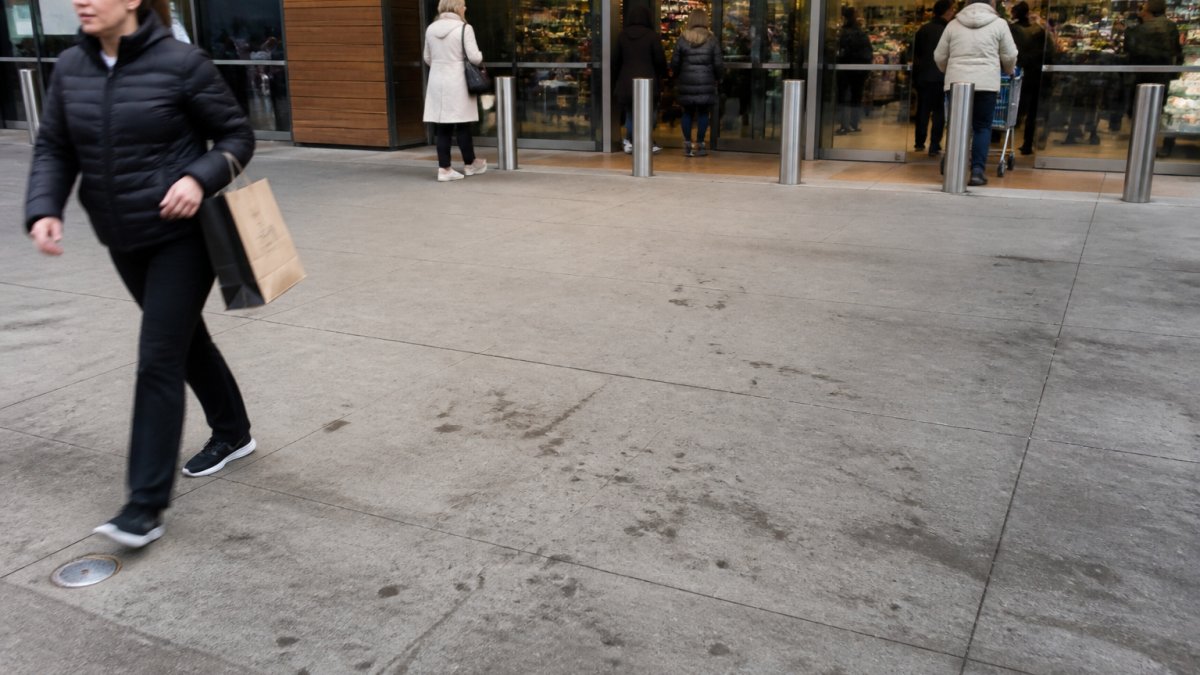
Entrance ways are your property's front door. They get the most foot traffic and take the hardest wear. These areas accumulate footprints, dirt, moisture, and debris constantly. Clean entrance ways every two to four weeks to maintain a professional appearance.
Customer-facing areas include outdoor seating, display windows, and signage zones. These visible areas shape first impressions. Clean them every three to four weeks. If you're in a high-traffic retail or hospitality location, consider fortnightly cleaning.
Entrance mats and threshold areas collect the most soil. These spots need extra attention. Consider more frequent cleaning or spot-cleaning between scheduled maintenance to manage moisture and prevent slip hazards.
Parking areas and driveways
Parking areas and driveways see vehicle traffic, tyre marks, oil stains, and weather exposure. Plan quarterly cleaning for standard commercial car parks. If your facility has heavy vehicle use or loading activity, increase to eight-weekly cleaning.
Coastal locations need more frequent attention due to salt spray. Industrial areas benefit from quarterly cleaning to manage fallout and pollution stains. Sheltered or low-traffic car parks can extend to semiannual cleaning.
Stains and marks worsen over time. Fresh stains clean easier than old, set-in marks. Regular cleaning prevents permanent discolouration and extends surface life.
Roof, façade, and perimeter surfaces
Roofs and upper facades accumulate debris, algae, and weather-related staining. These surfaces are less visible but critical to building longevity. Plan annual or semiannual cleaning depending on your environment.
Coastal areas face salt spray that corrodes surfaces. Annual cleaning prevents material damage. Industrial zones benefit from annual cleaning to manage pollution fallout. Standard urban areas can extend to semiannual or annual cleaning.
Perimeter surfaces, side walls, rear facades, service areas, accumulate less visible dirt but still need attention. Plan semiannual cleaning to prevent algae, mould, and staining that weakens materials over time.
Pressure Cleaning Cost for Businesses: Budgeting for Regular Maintenance
Cost depends on property size, surface type, soil level, and cleaning frequency. Rather than guessing, request a quote based on your specific property.
Budget for regular maintenance by calculating annual cleaning cycles. A property needing quarterly entrance cleaning, semiannual driveway cleaning, and annual facade cleaning has different costs than one requiring monthly comprehensive cleaning.
The investment in commercial pressure cleaning maintenance schedules for businesses pays back through extended surface life, reduced repairs, and maintained property value. Neglected surfaces deteriorate faster and cost more to restore.
Consider bundling services. Committing to quarterly or semiannual cleaning often costs less per visit than one-off cleaning calls.
Safety, Environmental Compliance, and Operational Planning
Pressure cleaning involves hazards that require proper planning and technique. Scheduling around your business operations ensures minimal disruption and maximum safety.
Slip hazard prevention and worker safety
Wet surfaces become slip hazards immediately after pressure cleaning. Schedule cleaning during low-traffic periods or after business hours. Wet floor signs and barriers protect customers and staff from slips during and after cleaning.
Pressure cleaning equipment can damage surfaces and injure people if used incorrectly. Professional operators understand pressure settings, nozzle types, and surface-specific techniques. Improper technique causes damage that costs more to repair than the original cleaning.
High-pressure water can cause injury. Keep people away from active cleaning zones. Ensure operators wear protective equipment and follow safety protocols.
Environmental considerations and regulatory compliance
Cleaning runoff can carry contaminants into stormwater drains and local waterways. Use environmentally responsible cleaning methods that minimise chemical use and manage runoff properly. Some facilities require containment systems to prevent environmental damage.
Local councils may have regulations about stormwater management, chemical use, and runoff disposal. Professional cleaners understand local requirements and operate within compliance frameworks. Check your local council guidelines for any restrictions on pressure cleaning activities.
Water usage is another consideration. Pressure cleaning uses significant water. Schedule cleaning when water restrictions are not in effect. Consider water-efficient cleaning methods where appropriate.
Scheduling around business hours and operations
Plan cleaning outside peak business hours. Morning or evening cleaning minimises customer and staff disruption. For 24-hour facilities, coordinate with operations to clean during the quietest periods.
Notify staff and customers about scheduled cleaning. Wet floors and temporary access restrictions affect operations. Advance notice prevents confusion and safety issues.
Weather affects cleaning effectiveness and safety. Schedule cleaning during dry weather when possible. Avoid cleaning immediately before rain, which washes away results. Plan around seasonal weather patterns in your area.
Measuring Schedule Effectiveness and Adjusting Frequency
Track how your commercial pressure cleaning maintenance schedule performs. After each cleaning, note the surface condition and how quickly dirt reaccumulates.
If surfaces still look clean two weeks before the next scheduled cleaning, you might extend the interval.
Document seasonal variations. Winter might require more frequent cleaning due to weather. Summer might see faster dirt accumulation due to heat and traffic.
Review your schedule annually. Property changes, traffic patterns, and environmental factors shift over time.
Keeping your commercial property clean requires consistent planning, not occasional reactive cleaning.
AquaBlast Elite helps commercial property managers and business owners across Sydney and surrounds develop and execute cleaning schedules tailored to their specific needs.
Frequently Asked Questions
How often should a business schedule commercial pressure cleaning?
Frequency depends on your business type, foot traffic volume, and surface exposure. Retail and hospitality venues typically need monthly or quarterly cleaning of high-traffic areas, while office buildings may require quarterly to semi-annual schedules. Industrial facilities with heavy-duty use often need more frequent cleaning. Start with a quarterly baseline and adjust based on soil buildup and weather exposure.
What should a commercial cleaning schedule template include?
A comprehensive schedule should list each surface area (entrance, parking, driveway, roof, façade), recommended cleaning intervals, responsible parties, and completion dates. Include notes on surface type and any special precautions. Track weather conditions and foot traffic patterns to refine timing. Document before-and-after observations to measure effectiveness and justify future adjustments to your maintenance plan.
How do weather and foot traffic affect commercial pressure cleaning frequency?
High-traffic areas accumulate soil, grime, and slip hazards faster and need more frequent cleaning. Weather exposure accelerates buildup: areas facing rain and wind, or in coastal regions, require more frequent pressure cleaning. Seasonal variations matter too; spring and autumn may bring more debris. Review your schedule seasonally and adjust intervals if you notice accelerated soil accumulation or safety concerns.
What pressure cleaning methods and precautions apply to different business surfaces?
Different surfaces require different pressure levels and techniques. Concrete driveways and parking areas tolerate high-pressure cleaning, while timber decks and delicate façades need lower pressure to avoid damage. Always test a small area first. Consult a professional to determine safe pressure levels for your specific surfaces and materials to protect your property while achieving effective cleaning results.