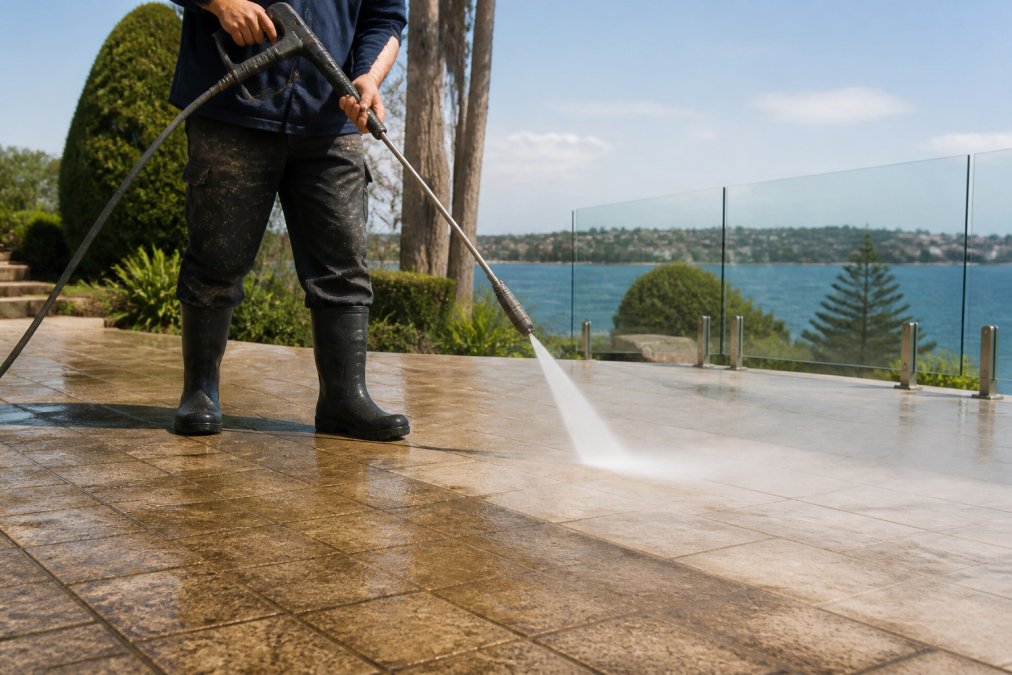
 comparison
Cost of Professional Pressure Washing Sydney: 2026 Pricing
Table of Contents
- How Much Does Pressure Washing Cost in Sydney?
- Pressure Washing Price Per Square Metre vs Hourly Rates
- Factors Affecting Pressure Cleaning Quotes
- Soft Washing vs Pressure Washing Cost: Which Is Right?
- What a Professional Service Includes
- Insurance, Safety and Environmental Standards
- How to Get an Accurate Quote for Your Property
- Conclusion
- Frequently Asked Questions
Last Updated: September 9, 2026
How Much Does Pressure Washing Cost in Sydney?
Budgeting for exterior cleaning is the first question every Sydney homeowner asks, and the honest answer is that the cost of professional pressure washing Sydney varies widely because every property presents a different challenge. Unlike a fixed-price service, quotes are built around surface area, access difficulty, and contamination level. The single biggest factor separating a fair quote from an inflated one is whether the provider actually inspects the property before naming a figure.
Professional pressure washing uses high-pressure water jetting to remove mould, mildew, dirt, and stains from exterior surfaces. A typical residential quote covers driveways, patios, paths, and house walls, with the total price reflecting the square metre rate applied to each surface type.

The most important budgeting step is requesting a quote that includes a physical inspection. Providers who quote over the phone without seeing your property are estimating blind, which usually means either a padded price or a lowball figure followed by surprise extras.
Pressure Washing Price Per Square Metre vs Hourly Rates
Sydney pricing generally falls into two structures: a pressure washing price per square metre for larger flat areas, or hourly labour rates for smaller, mixed jobs. Square metre pricing suits driveways, patios, and commercial concrete cleaning where the area is clearly measurable. Hourly rates apply when a job involves multiple surface types, awkward access, or detailed mould treatment that cannot be estimated by area alone.
Most reputable providers combine both methods, listing a square metre rate for concrete cleaning and adding an hourly component for house exteriors or roof restoration where scaffolding or careful technique is required.
Typical Price Ranges in Sydney
While every quote depends on a site inspection, current Sydney market rates provide a useful benchmark for budgeting:
| Surface Type | Typical Price Range | Notes |
|---|---|---|
| Concrete driveway | $40 - $80 per 100m² | Heavily stained or sealed surfaces cost more |
| Brick paving / pavers | $50 - $90 per 100m² | Sand replacement may be an extra charge |
| House exterior (single storey) | $250 - $550 total | Depends on storeys and cladding material |
| Roof (tile or Colorbond) | $300 - $800 total | Soft washing required for most roofs |
| Patio / alfresco area | $100 - $250 total | Concrete, timber, or composite affect price |
| Fence (timber or Colorbond) | $150 - $400 total | Per 10-20 metre run, depending on height |
These figures are typical of professional operators who carry insurance and use commercial-grade equipment. A provider quoting well below these ranges is likely cutting corners on equipment, chemical use, or insurance.
Hourly Rate Benchmarks
For smaller jobs or those with awkward access, hourly rates may apply. Jobs requiring soft washing chemicals, roof work at height, or extensive mould pre-treatment can influence the overall cost.
Worked Example: Driveway and Patio Package
Most providers apply a minimum job charge because setup, equipment transport, and wastewater management take time regardless of area size.
| Pricing Structure | Best Used For | What It Reflects |
|---|---|---|
| Per square metre | Driveways, paths, patios | Area, contamination level, surface type |
| Hourly labour | Mixed surfaces, access issues | Time, equipment, technique required |
| Fixed project quote | Whole-property exterior maintenance | On-site assessment of all factors |
A fixed project quote, based on a proper on-site assessment, is almost always the most reliable option. It protects you from hourly rate creep and gives a single figure to compare across providers. When comparing quotes, ask each provider to break down their square metre rate and hourly component separately, this reveals whether you are comparing like with like or whether one provider is padding their margin inside a vague total.
Factors Affecting Pressure Cleaning Quotes
Several variables explain why two identical-looking homes can receive very different pressure cleaning quotes. Understanding these factors, and how they multiply costs, helps you evaluate whether a quote is fair or inflated.
Access and Site Constraints
Access is a major factor: a driveway with side-gate access for equipment is cheaper to clean than one requiring long hose runs or work from a ladder. Properties with locked gates, narrow side passages, or steep terrain add 15-30 minutes of setup time per visit, which flows directly into the quote.
Water Supply and Drainage
Water and drainage also matter. Most professional units draw from your external tap, and runoff must be managed without damaging gardens or directing waste into storm drains. Properties without a suitable tap require a water tanker, adding a significant surcharge, while poor drainage requires extra time for containment and extraction.
Surface Condition Drives Cost More Than Surface Size
A concrete driveway with years of built-up oil stains requires more time, industrial-grade nozzles, and possibly biodegradable detergents than the same area cleaned regularly (the EPA). Mould and mildew treatment also costs more, because soft washing techniques and specialist chemicals are slower and costlier than straightforward high-pressure water jetting.
The contamination level creates a clear cost ladder:
| Condition Level | Example | Cost Impact |
|---|---|---|
| Light dust and pollen | Regular maintenance clean | Baseline rate |
| Moderate mould or algae | Shaded patio or southern wall | +20-40% for chemical treatment |
| Heavy oil or rust stains | Driveway under an old car | +50-100% for degreasers and multiple passes |
| Graffiti or paint | Commercial walls or fences | Specialist removal, quote per square metre |
Surface Material and Age
Surface material changes both technique and price. Soft red brick pavers require lower pressure to avoid erosion, exposed aggregate concrete needs a gentler approach than plain concrete, and timber decks almost always require soft washing. Older surfaces are more porous and absorb stains deeper, requiring additional passes or chemical dwell time.
Property Height and Roof Access
Single-storey homes are straightforward. Two-storey exteriors require ladders, extension wands, or potentially scaffolding for roof work. Roof cleaning carries additional safety requirements under Australian work health and safety regulations, including fall protection and exclusion zones, which add time and cost but are non-negotiable for a compliant operator.
Seasonal and Weather Factors
Sydney's weather affects pricing in two ways. During wetter months, mould and mildew growth accelerates, increasing contamination on shaded surfaces (the EPA). During peak demand, typically spring and early summer, providers may apply a premium or have longer lead times, while winter bookings may attract slightly lower rates.
The 'Why' Behind Price Variation
A common pattern across quotes is that the cheapest option may omit something essential: insurance, wastewater containment, biodegradable chemicals, or adequate equipment. A provider using a domestic-grade machine may have lower overheads but delivers a weaker clean and risks etching soft surfaces. A provider with a truck-mounted commercial unit, trained operators, and public liability insurance carries higher costs, and those costs may appear in the quote.
Soft Washing vs Pressure Washing Cost: Which Is Right?
The decision between soft washing and pressure washing comes down to surface vulnerability, not just cost. Soft washing uses lower pressure with biodegradable detergents to treat mould, mildew, and algae on delicate surfaces like timber decks, roof tiles, and painted walls (the CDC). Standard pressure washing suits strong surfaces like concrete and brick where higher pressure is safe.
Soft washing typically costs more per square metre because it requires specialist chemicals, additional dwell time, and more careful technique. For an old timber deck, that extra cost is essential: high-pressure water jetting can shred soft timber fibres permanently.
Concrete driveways and paths handle full pressure washing. Timber, Colorbond roofing, and aged painted surfaces should be soft washed to avoid damage. A professional service should recommend the right method during the on-site assessment rather than defaulting to maximum pressure.
What a Professional Service Includes
A genuine professional pressure washing service includes far more than pointing a wand at your driveway. Inclusions should cover the on-site assessment, surface preparation such as pre-wetting plants and covering sensitive fittings, the cleaning itself, and responsible removal of wastewater so nothing harmful reaches your garden or drainage system.
Commercial pressure washing for business properties typically includes additional items: graffiti removal, scheduled exterior maintenance, and documentation of the work completed. Property managers and business owners should confirm whether the quote covers regular visits or a one-time clean, since recurring graffiti and grime need an ongoing plan.
Equipment quality can separate professional results from DIY attempts. Commercial-grade machines can deliver consistent pressure and temperature control that domestic units may not match, while industrial-grade nozzles can allow precise cleaning without etching surfaces.
Insurance, Safety and Environmental Standards
Licensing and insurance are non-negotiable when hiring a pressure washing provider. Any team working on your property should carry public liability insurance and follow Australian safety standards for working at height and operating high-pressure equipment. Confirming this before work begins protects you if an accident damages your property or injures a worker.
Environmental responsibility is equally important. Quality providers use biodegradable detergents and manage water consumption carefully, ensuring runoff is contained and directed away from storm drains and native gardens. Ask what chemicals will be used and how wastewater will be handled, particularly if you have pets, children, or a vegetable garden near the cleaning area.
How to Get an Accurate Quote for Your Property
Securing an accurate quote requires preparation. Start by identifying every surface you want cleaned, from the driveway and paths to house walls, decks, and roof. Note any specific problems such as oil stains, mould, or graffiti, because these trigger different techniques and pricing.
Request an on-site assessment rather than a phone estimate, and ask for a written itemised quote covering each surface type. Confirm what is included, whether call-out fees or minimum charges apply, and what the provider does with wastewater and chemicals.
Post-cleaning maintenance extends the life of your results. Regular sweeping, prompt stain removal, and driveway sealing every few years reduce how often you need professional cleaning. For commercial properties, a scheduled maintenance plan prevents grime from building to the point where heavy intervention is required.
Conclusion
The cost of professional pressure washing Sydney reflects the real work involved: surface assessment, correct technique, quality equipment, and responsible waste management. Understanding how quotes are built and what drives price differences puts you in control of the decision.
At AquaBlast Elite, we combine modern high-pressure cleaning equipment with customised solutions designed around each property's specific surfaces and challenges. Our skilled professionals deliver superior results that restore and rejuvenate concrete, timber, and brick, elevating the appearance of your home or commercial space. Book a call with AquaBlast Elite and get an accurate, itemised quote based on a proper on-site assessment of your property.
Frequently Asked Questions
How much does pressure washing typically cost in Sydney?
The cost of professional pressure washing in Sydney is not a flat figure. It depends on the surface area, cleaning method, and condition of the property. Most providers price jobs per square metre or by the hour, and a minimum call-out fee often applies. For an accurate figure, request an on-site assessment. A professional can inspect the surfaces, identify the level of mould or staining, and provide a service quote tailored to your property.
Is it better to pay per hour or per square metre for cleaning services?
Neither option is universally better; it depends on the job. An hourly rate suits small, complex tasks where access is difficult. A square metre rate is clearer for large, open areas like driveways because you can estimate the total price before work begins. Ensure the quote includes all service inclusions, such as biodegradable detergents, surface preparation, and waste water collection, so you can compare quotes accurately.
How often should you have your property professionally pressure cleaned?
For most Sydney homes, an annual clean is sufficient to manage mould and mildew growth on driveways, paths, and house exteriors. Properties near the coast or under heavy tree cover may need cleaning every six months. Regular exterior maintenance protects surfaces from long-term damage and helps maintain your property's value. A professional can advise on the right cleaning frequency based on your specific conditions.
What factors influence the price of professional pressure washing?
Several elements affect the final quote. The total surface area is the primary driver. Surface type matters: concrete cleaning is charged differently from a delicate timber deck. The level of staining from mould, oil, or graffiti increases labour time. Accessibility for equipment, water consumption, and drainage considerations also play a role. Finally, the cleaning method, such as soft washing versus high-pressure water jetting, influences the cost.