 ultimate-guide
Preparing Home Exterior for Property Sale: 2026 Guide
Table of Contents
- Why the First 10 Seconds Decide Your Sale Price
- The Curb Appeal Checklist for Home Sellers
- Safe Pressure Washing for Residential Siding
- How to Clean Driveway and Paths for Sale
- The Cost of Exterior House Cleaning Services
- Beyond Cleaning: Repairs, Paint and Presentation
- Sustainable and Safety-First Exterior Staging
- Conclusion: Your 8-Week Countdown
- Frequently Asked Questions
Last Updated: September 13, 2026
Why the First 10 Seconds Decide Your Sale Price
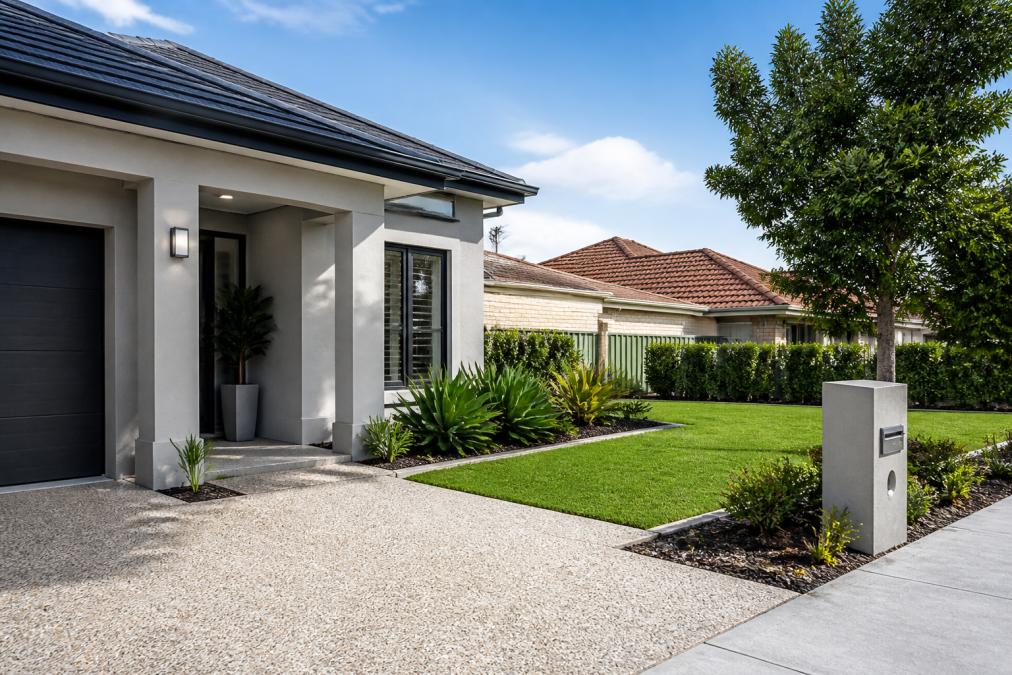
Buyers judge a property before they step inside. Preparing home exterior for property sale shapes that judgement, starting the moment a car slows at the kerb. This guide from AquaBlast Elite covers the full process, from pressure washing to presentation.
A buyer forms a view in the walk from car to front gate. A stained path, grimy siding and overgrown garden set the tone for everything that follows, while a clean facade signals a well-looked-after home (realestate.com.au). Sellers who invest in presentation attract stronger interest during the open inspection window.
Most of the work is cleaning, tidying and small repairs, not renovation. Below: the checklist, safe pressure washing, driveway cleaning, professional exterior cleaning, and the repairs worth doing before you list.
The Curb Appeal Checklist for Home Sellers
A curb appeal checklist for home sellers is a prioritised list of exterior tasks, ordered by how much each lifts the buyer's first impression. Work from the street inward: boundary, facade, entrance, then garden.
Here is a practical checklist you can run through in a weekend:
- Clear cobwebs from eaves, corners and window frames
- Pressure wash paths, driveway and exterior walls
- Trim hedges and prune overgrown shrubs away from the facade
- Repair and repaint fencing and gates
- Clean windows inside and out
- Remove clutter from the yard, porch and side passage
- Replace dead potted plants and add fresh ones at the entrance
- Check outdoor lighting and replace blown globes
- Sweep and de-stain the front path
- Repaint the front door if it looks tired
Work through the list top to bottom. Cleaning tasks come first because they reveal what actually needs repair.
Safe Pressure Washing for Residential Siding
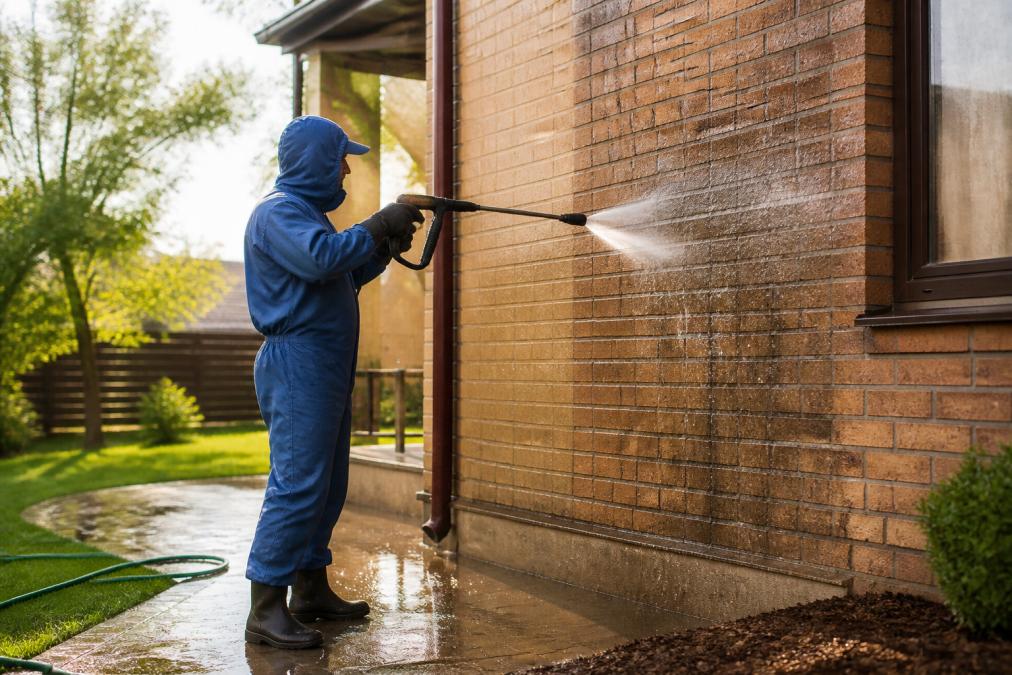
Safe pressure washing for residential siding means matching water pressure and nozzle type to the material, so the surface is cleaned without etching, splintering or forcing water behind cladding.
Matching Pressure to Material
Different surfaces tolerate very different pressures: a setting that strips grime from concrete will gouge a timber deck or drive water into brick mortar. Softer materials need lower pressure and a wider spray angle; hard surfaces take higher pressure at a narrower angle. Keep the wand moving at a consistent distance.
| Surface | Pressure Approach | Nozzle Angle | Key Risk |
|---|---|---|---|
| Concrete paths | Higher pressure | 25 degrees | Surface etching |
| Brick and render | Medium pressure | 25-40 degrees | Water in mortar |
| Timber decking | Low pressure | 40 degrees | Splintering, furring |
| Painted weatherboard | Low pressure | 40 degrees | Paint lifting |
| Colorbond and metal | Low-medium | 25-40 degrees | Seal and coating damage |
When to Call a Professional
Call a professional when the surface is delicate, the area is large, or the job involves heights, chemicals or heavy staining. Old timber, heritage render and painted surfaces are most at risk, and a trained operator can adjust pressure per surface and spot warning signs early.
How to Clean Driveway and Paths for Sale
To clean driveway and paths for sale, remove loose debris, pre-treat oil and rust stains, then pressure wash in even passes and rinse. A clean driveway frames the whole property.
Stains are the sticking point: oil, rust and mould need pre-treatment or pressure alone spreads them. Once treated, work in overlapping passes and rinse runoff away from garden beds. For a full walkthrough, the team at AquaBlast Elite handles concrete, pavers and exposed aggregate across Sydney and its surrounding areas.
Safe Work Australia's guidance on managing risks when working with plant and equipment
The Cost of Exterior House Cleaning Services
Most guides tell you to clean the exterior and stop there, rarely covering what it costs, what it returns, or which jobs are worth paying for. This section fills that gap with a cost-versus-value framework for prioritising your exterior budget before you list.
The cost of exterior house cleaning services depends on four drivers: property size, surfaces, staining level and access. No single figure applies to every home, so treat flat quotes with caution. Understand how each driver moves the price, then decide where your money works hardest.
What Actually Drives the Price
- Surface area and type. Concrete paths and driveways are cheapest per square metre because they tolerate higher pressure and dry fast. Timber decking, painted weatherboard and heritage render cost more, needing lower pressure, softer nozzles and sometimes chemical pre-treatment.
- Level of staining. Light dust and cobwebs are a quick pass. Oil, rust, mould and efflorescence need pre-treatment and dwell time, which adds labour.
- Access. Tight side passages, steep blocks, multi-level facades and fragile surfaces add time. A single-storey home with a small driveway differs greatly from a multi-level property with extensive paving, decking and heavy mould.
- Timing and demand. Spring is the busiest season for exterior cleaning because it coincides with the peak listing period (corelogic.com.au).
A Cost-versus-Value Framework for Sellers
Rather than asking 'what does a clean cost?', ask 'what does each job return in buyer perception per dollar?' Rank exterior spend by the ratio of visual lift to cost:
| Priority | Exterior task | Why it earns its place |
|---|---|---|
| 1 | Pressure wash paths, driveway and entry | Highest visual lift per dollar; frames the whole property |
| 2 | Clean windows, clear cobwebs, sweep entry | Low cost, signals a maintained home |
| 3 | Trim hedges and prune shrubs off the facade | Opens up the building and improves light |
| 4 | Repaint front door and touch up trim | Strong entrance appeal at eye level |
| 5 | Repair fencing, gates and cracked pavers | Removes buyer doubt about neglect |
| 6 | Add potted plants and outdoor lighting | Finishing touch for inspection day |
Work down this list until your budget is spent. The top three are almost always worth doing; the bottom three depend on how well the property already presents.
Where DIY Saves Money, and Where It Costs More
DIY pressure washing is worth it on concrete paths and driveways, where damage risk is low and equipment is widely available for hire. It is usually not worth it on old timber decking, painted weatherboard, heritage render or any surface at height. The common pattern is a seller saving on a professional clean, then paying more to repair furred decking, lifted paint or water behind cladding. If the surface is delicate, the area large, or the job involves heights or chemicals, the professional quote is often cheaper once risk is priced in.
For a specific quote, book a call with AquaBlast Elite and we will assess your property directly, including the surfaces, access and staining level that determine the final price.
Beyond Cleaning: Repairs, Paint and Presentation
Cleaning gets you most of the way, but presentation is finished with small repairs and a fresh coat of paint where it counts. Buyers notice details up close, and each defect invites a question about what else has been neglected. The goal is to remove reasons to doubt the home.
The Repair Walk-Through
Walk the perimeter slowly, ideally in morning light when shadows reveal surface defects, and note anything broken or loose. Common candidates:
- Cracked or lifted pavers on the path and driveway
- Loose or rotted fence palings and a gate that sticks or sags
- Torn flyscreens and damaged window frames
- Gutters overflowing or downpipes discharging onto the path
- Cracked render, missing mortar or flaking paint on the facade
- A front door that catches, a handle that wobbles, or a lock that is stiff
These are cheap to fix and expensive to leave. A sticking gate or cracked paver is a small job, but each gives a buyer a reason to wonder what else has been neglected, and that doubt costs you at negotiation.
Paint Where It Counts
You do not need to repaint the whole exterior. Repaint the front door and touch up trim and fascia, the elements a buyer sees at eye level. Colour coordination across door, fence and trim makes the facade read as considered rather than patched. If facade paint is broadly sound, a touch-up suffices; if chalky, flaking or faded across large areas, weigh a full repaint against your budget and timeline.
Sequencing: Clean, Repair, Paint, Style
The order matters more than most sellers realise. Clean first, because washing strips dirt and loose material and reveals what needs repair. Repair second, because paint will not hide a cracked paver or sagging gate. Paint third, so touch-ups bond to a clean, sound surface. Style last, so finishing touches sit on a property that already presents well.
The Buyer-Psychology Mechanism
Buyers form a view in the walk from car to front gate. Every defect they see is a mental deduction from the price they will offer; every repair removes one of those deductions. The repair stage is not cosmetic, it is price protection.
Sustainable and Safety-First Exterior Staging
Sustainable exterior staging means choosing cleaning methods and garden styling that protect your garden, waterways and the people on site. It is also a selling point in its own right.
Runoff is the main concern: wash water carries dirt, detergent and organic matter and should never flow into storm drains. Direct runoff onto lawn or garden where possible, and use products that break down safely. For staging, choose potted plants suited to the local climate, mulch beds to hold moisture, and avoid anything needing heavy watering. Keep paths clear and well lit, and secure gates and side access so buyers move through confidently.
| Priority | Action | Why It Matters |
|---|---|---|
| High | Pressure wash paths and driveway | Biggest visual lift per dollar |
| High | Clear cobwebs and clean windows | Signals a maintained home |
| Medium | Trim hedges and prune shrubs | Opens up the facade |
| Medium | Repaint front door and trim | Strong entrance appeal |
| Lower | Add potted plants and lighting | Finishing touch for inspections |
Conclusion: Your 8-Week Countdown
Eight weeks out, start the big cleaning jobs: pressure washing, driveway cleaning and exterior walls. Six weeks out, handle repairs, fencing and painting. Four weeks out, focus on garden styling, potted plants and outdoor lighting. Two weeks out, do a final tidy and a walk-through from the street, giving each stage time to settle before buyers arrive.
AquaBlast Elite restores and rejuvenates surfaces across residential and commercial properties, using high-pressure cleaning equipment and customized solutions for every project. Our skilled professionals handle concrete, decks and exterior walls, delivering results that elevate the cleanliness and appearance of your property. Get started with AquaBlast Elite and book a call to have your exterior looking its best before your first open inspection.
Frequently Asked Questions
What is the hardest month to sell a house?
In most Australian markets, the quietest months for property sales are typically late December and January, when buyers and agents take holidays. Winter (June to August) can also be slower, with fewer open inspections and less favourable weather for photography. Listing in spring (September to November) or early autumn usually puts you in front of more active buyers, which can support stronger offers.
How does professional pressure cleaning impact property valuation?
Professional pressure cleaning removes built-up dirt, mould and grime that make a property look neglected. Agents consistently report that a clean exterior helps properties photograph better, attracts more inspection traffic, and supports the asking price. It also reduces the number of objections buyers raise about maintenance. For a modest outlay compared with major renovations, exterior cleaning is one of the highest-return preparation tasks before listing.
Should I repaint my home exterior before listing it for sale?
Only repaint if the existing paint is peeling, faded or shows obvious patchiness. A fresh coat of paint on the front door, window trims and fence can lift presentation without a full repaint. If the exterior walls are structurally sound and just dirty, professional pressure washing often restores the colour and saves the cost of repainting. Get advice from your agent before committing to a full exterior repaint.
How do I prepare my garden and outdoor living areas for inspection?
Start by mowing, edging and watering the lawn, then trim hedges and prune any overgrown shrubs. Remove cobwebs from eaves and fences, clear leaves from gutters and paths, and pressure clean outdoor furniture and paving. Add potted plants near the entrance for colour and arrange outdoor furniture to suggest a usable living space. A tidy, low-maintenance garden helps buyers visualise themselves in the property.
What are the most important exterior improvements to make before selling?
Focus on the areas buyers see first: the front fence, driveway, pathway, front door and garden. Pressure cleaning the driveway and paths, repairing fencing, replacing damaged letterboxes, and cleaning windows deliver visible results for relatively low cost. Fixing cracked paving, oil stains and mould on walls also removes common buyer objections. These tasks support the overall property presentation without the expense of major renovations.
What are the best low-cost ways to improve curb appeal?
Pressure clean the driveway and paths, wash the exterior walls, mow and edge the lawn, trim hedges, remove cobwebs, and add potted plants near the entrance. Repaint the front door, replace worn house numbers, and clean outdoor lighting fixtures. These tasks cost little but make a strong first impression at open inspections. Many can be done in a weekend, and professional pressure cleaning can handle the heavier surfaces quickly.