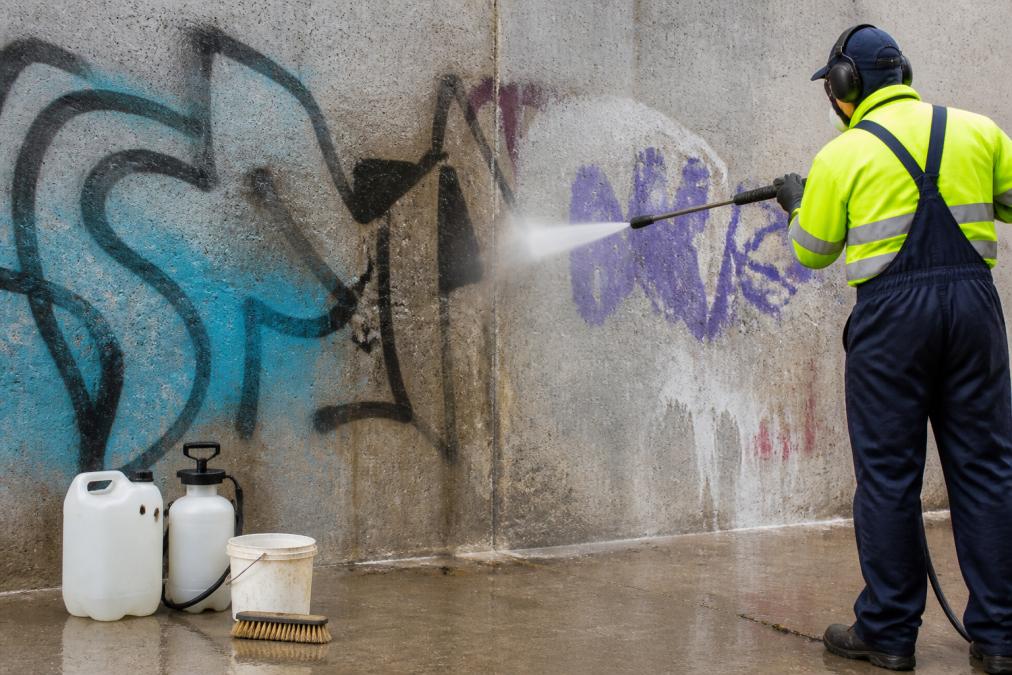
 blog
blog
Graffiti Removal Service: What Works Best
Table of Contents
- Why Professional Graffiti Removal Service Matters
- Residential vs. Commercial Graffiti Removal
- Pressure Cleaning and Surface Restoration Techniques
- Graffiti Removal Cost: What to Expect
- Anti-Graffiti Coating Application for Long-Term Protection
- How to Report Graffiti to Local Council
- DIY vs. Professional Graffiti Removal: Cost-Benefit Analysis
- Preventative Maintenance to Reduce Future Vandalism
- Frequently Asked Questions
Last Updated: September 18, 2026
Why Professional Graffiti Removal Service Matters
Graffiti isn't just an eyesore, it signals neglect. Property managers and homeowners who ignore it see vandalism return faster, tenants lose confidence, and curb appeal plummets. A professional graffiti removal service addresses the problem thoroughly, preventing repeat incidents and protecting your property's value.
The difference between a quick DIY attempt and proper surface restoration is substantial. Inexperienced pressure cleaning can etch concrete, strip paint, or leave residue that attracts more tagging. Professional teams understand substrate protection and use the right pressure, temperature, and chemical agents for each surface type.
At AquaBlast Elite, we've restored properties across Sydney and surrounding areas. Our approach combines modern high-pressure water blasting with surface-specific techniques. The result is complete graffiti abatement without damage, and surfaces that look genuinely restored, not just cleaned.
Residential vs. Commercial Graffiti Removal
Residential properties face different graffiti challenges than commercial spaces. A homeowner's deck or timber fence requires gentler techniques than a commercial concrete loading dock. The stakes differ too: a home sale falling through because of poor curb appeal is a personal financial loss, while commercial graffiti affects brand perception and customer trust.
Residential removal typically focuses on high-visibility areas, front gates, driveways, rendered walls. The surfaces are often more delicate: timber, render, or painted finishes that can be damaged by aggressive pressure cleaning. A graffiti removal service for homes should prioritize non-abrasive techniques and surface restoration rather than raw cleaning power.
Commercial properties demand rapid response and durability. A retail storefront with fresh tagging needs removal within hours, not days. Commercial graffiti removal often requires larger-scale equipment and faster turnaround. Many commercial clients benefit from scheduled preventative maintenance or anti-graffiti coating application to reduce repeat vandalism.
Strata and multi-unit complexes sit in the middle. They need professional graffiti removal service that's cost-effective across multiple surfaces, brick, concrete, metal railings, while maintaining aesthetic consistency across the building. Response time matters here too, as visible vandalism affects all residents.
Pressure Cleaning and Surface Restoration Techniques
High-pressure water blasting is the industry standard for graffiti removal, but technique matters enormously. Pressure, water temperature, nozzle type, and distance from the surface all determine whether you achieve clean removal or surface damage.
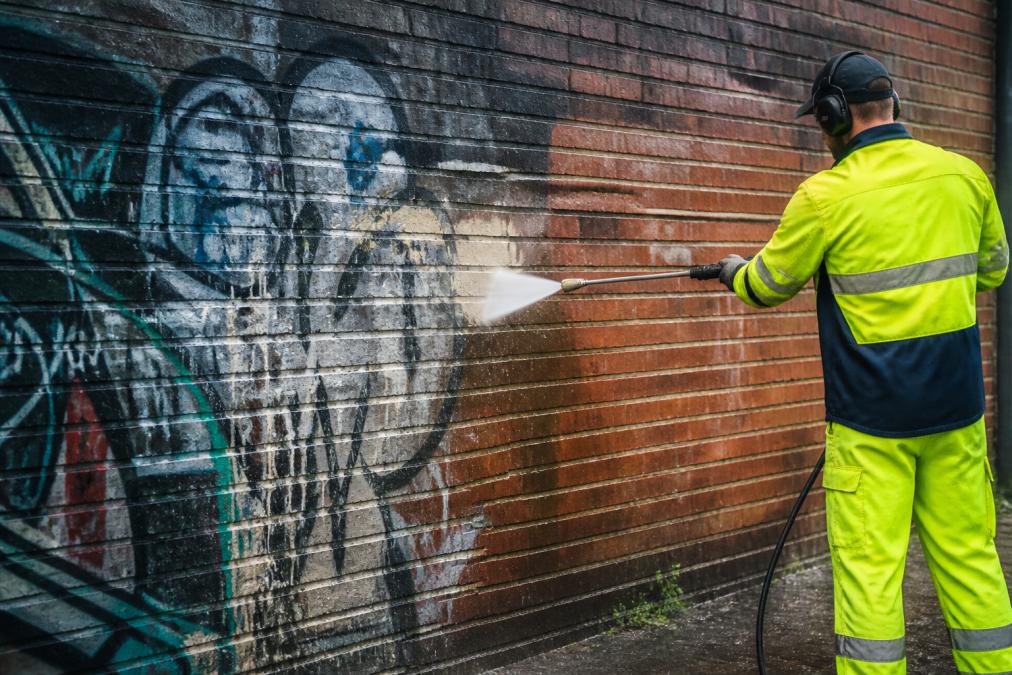
Spray paint bonds differently to different materials. On concrete, it sits in surface pores. On brick or render, it can penetrate mortar joints. On metal, it adheres to oxidation. A one-size-fits-all pressure setting won't work. Professional teams assess the surface first, then select appropriate pressure levels, typically 1,500 to 3,000 PSI for most residential work, higher for heavy industrial surfaces.
Chemical cleaning agents complement pressure cleaning for stubborn paint. Biodegradable solutions break down paint bonds without harming surrounding materials or entering storm drains. This is where WHS-compliant practices matter: proper chemical selection protects both the operator and the environment.
Temperature affects results significantly. Hot water cleaning removes paint faster and more thoroughly than cold water, particularly on oily or weathered surfaces. Professional graffiti removal service providers use heated systems for this reason, though cost and environmental impact must be balanced.
Non-abrasive techniques preserve substrate integrity. Sanding, grinding, or abrasive blasting removes graffiti but also removes the top layer of your surface, concrete sealer, paint, or finish. Pressure cleaning with the right technique achieves removal without this loss.
Graffiti Removal Cost: What to Expect
Cost varies dramatically depending on surface area, paint type, substrate material, and accessibility. However, understanding the breakdown by surface type is critical for budgeting and avoiding costly mistakes.
Surface-Specific Pricing Ranges
Cost varies dramatically depending on surface area, paint type, substrate material, and accessibility. Concrete and rendered surfaces are forgiving; pressure cleaning removes paint without risk of substrate damage. For an accurate quote, please contact us.
Brick and mortar require more care. Pressure must be lower to avoid eroding mortar joints, and chemical treatment is often necessary to lift paint from porous brick. Rushing this surface with excessive pressure can lead to costly repairs afterward.
Timber and painted surfaces demand the gentlest approach. Pressure above 1,500 PSI risks stripping paint or splintering wood. Chemical-only removal or low-pressure techniques are often necessary. DIY pressure-washing timber frequently results in costly repainting or board replacement.
Metal railings, gates, and structural steel require specialist treatment. Paint adheres to oxidation, and aggressive removal can expose bare metal to rust. Improper technique leaves rust staining that requires additional remediation.
Glass and polycarbonate are delicate. Chemical removal is almost always required; pressure cleaning risks etching or cracking. Damage to glazing can be costly.
Hidden Costs of Inadequate Removal
Many property owners choose cheap removal and face unexpected expenses. Incomplete removal, where paint residue remains visible, often requires a second professional visit or DIY rework that compounds damage. Faded but visible graffiti also signals neglect, reducing property appeal and inviting repeat vandalism.
Surface damage from improper pressure cleaning is the largest hidden cost. Etched concrete requires resurfacing. Stripped paint on timber requires full repainting. Eroded mortar joints require repointing. A single DIY mistake on a residential wall can be costly to repair.
Commercial and Strata Pricing
Commercial properties often negotiate volume discounts for larger areas or scheduled maintenance. Commercial properties often negotiate volume discounts for larger areas or scheduled maintenance. Strata complexes benefit similarly; multi-surface removal across common areas, driveways, and rendered walls can be cost-effective, with preventative coatings adding long-term protection.
Anti-Graffiti Coating as Cost Prevention
Applying anti-graffiti coating immediately after removal can be a cost-effective preventative measure. In high-vandalism zones, this investment can reduce repeat removal costs and labour. Without coating, a property experiencing frequent graffiti faces higher annual removal costs; coating can significantly reduce this.
What to Expect from Quotes
Reliable providers quote on-site after assessing surface type, paint depth, and condition. Phone or photo quotes are unreliable and often result in scope creep or additional charges. Request itemised quotes that separate pressure cleaning, chemical treatment, and coating application. Compare not just price but also surface assessment methodology, equipment specifications (PSI range, water temperature capability), and warranty or guarantee terms. The cheapest quote is rarely the best value; providers quoting significantly below market rates often cut corners on pressure settings, chemical quality, or surface preparation, leading to incomplete removal and repeat visits.
Anti-Graffiti Coating Application for Long-Term Protection
Once graffiti is removed, the question becomes: how do you prevent it from returning? Anti-graffiti coatings create a sacrificial barrier between the surface and paint. When new graffiti appears, it bonds to the coating, not the substrate. Removal becomes easier and faster, sometimes just a pressure wash with no chemical needed.
Two main types exist: sacrificial coatings (which degrade and must be reapplied) and permanent coatings (which last longer but are harder to reapply). Sacrificial coatings work well for high-vandalism areas where repeat tagging is expected. Permanent coatings suit properties where graffiti is occasional and you want long-term protection without maintenance.
Application requires clean, dry surfaces and proper surface preparation. This is why anti-graffiti coating is best applied immediately after professional graffiti removal, the surface is already clean and ready. Improper application leads to peeling, uneven coverage, or reduced effectiveness.
The cost-benefit analysis is straightforward: compare the cost of coating against the cost of repeated removal and labour. In high-vandalism areas, coating pays for itself within 12-18 months. For occasional graffiti, the cost may not justify the protection, though peace of mind has value too.
How to Report Graffiti to Local Council
Local councils maintain graffiti removal programs and can address vandalism on public property. Reporting graffiti to your local authority is important for public health records and to trigger council response on shared spaces.
Most councils accept graffiti reports online through their website or mobile app. You'll typically need to provide a photo, location details, and description of the graffiti.
DIY vs. Professional Graffiti Removal: Cost-Benefit Analysis
DIY pressure washing appeals to budget-conscious property owners. A rental pressure washer and chemical removers have associated costs. On the surface, this may seem cheaper than hiring professionals.
| Factor | DIY | Professional |
|---|---|---|
| Equipment cost | $50-$150/day | Included |
| Chemical cost | $30-$80 | Included |
| Time investment | 8-16 hours | 2-4 hours |
| Surface damage risk | High | Minimal |
| Complete removal | Uncertain | Guaranteed |
| Repeat visits needed | Often | Rarely |
Preventative Maintenance to Reduce Future Vandalism
Graffiti attracts more graffiti. A property that's tagged and left unrepaired signals that nobody cares, and invites repeat vandalism. Rapid removal is the first preventative step. The faster you remove graffiti, the less likely it returns.
Frequently Asked Questions
How much does graffiti removal service cost?
Cost depends on the surface type, graffiti coverage area, paint type (spray paint vs. marker), and removal method required. Pressure cleaning costs differ from chemical treatment or coating application. For an accurate quote tailored to your property, contact AquaBlast Elite directly to discuss your specific situation and receive transparent pricing based on site assessment.
What is the most effective method for removing graffiti?
High-pressure water blasting works well on concrete and masonry, while chemical cleaning agents suit delicate surfaces like timber or painted walls. The most effective approach depends on substrate protection and the type of paint used. Professional graffiti removal service providers assess each surface individually to choose non-abrasive techniques that restore appearance without damage, ensuring superior results and substrate protection.
How quickly should graffiti be removed to prevent permanent damage?
Removing graffiti within 24-48 hours prevents paint from bonding deeply to the surface, making removal easier and reducing permanent staining risk. Prompt response also discourages repeat vandalism, as swift cleanup signals that the property is actively maintained. Emergency graffiti removal services offer rapid response to minimise property value impact and maintain professional appearance for commercial properties.
Does the local council remove graffiti from private property?
Local councils typically remove graffiti only from public property and infrastructure. Property owners are responsible for removing graffiti from private residential and commercial properties. However, you can report graffiti on council property or public assets through your local council's website. For private property, professional graffiti removal services are the fastest way to restore your property and prevent further vandalism.