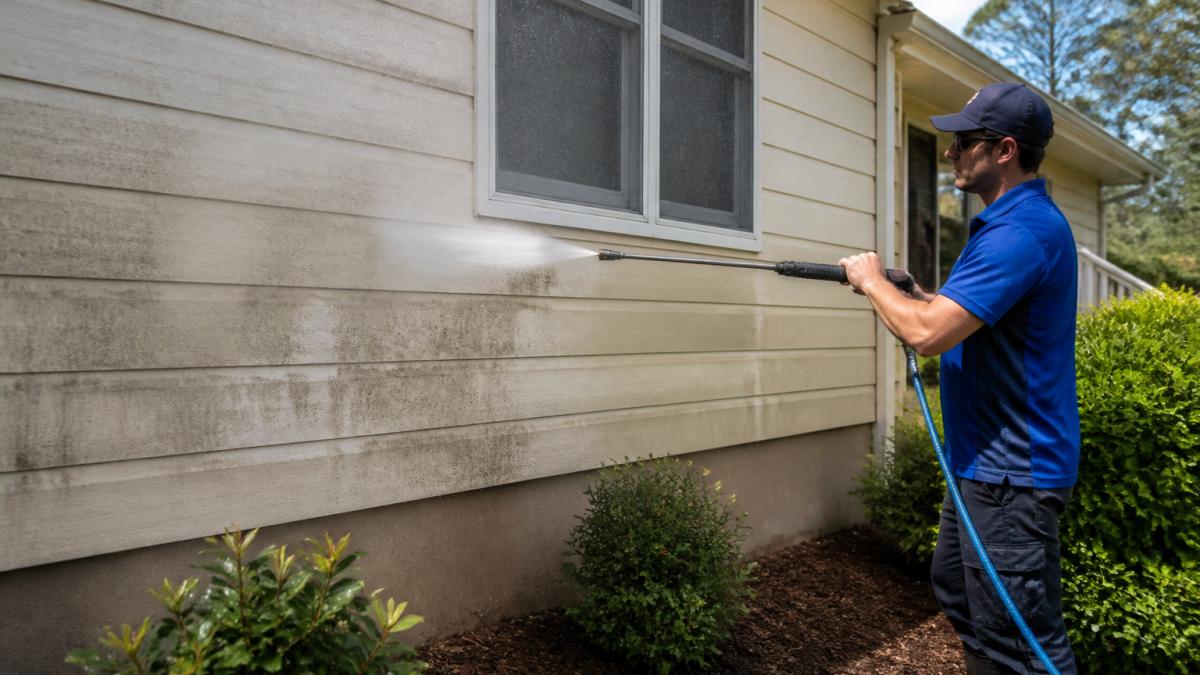
 blog
blog
Benefits of Hiring Professional House Washers Sydney
Table of Contents
- Why Professional House Washing Beats DIY in Sydney
- Pressure Washing vs Soft Washing: Which Method Suits Your Surfaces?
- What Professional House Washing Typically Includes
- Understanding House Washing Cost in Sydney
- How Often to Wash a House Exterior in Sydney's Climate
- Insurance, Licensing, and Contractor Checks Before You Book
- Environmental and Runoff Considerations for Sydney Properties
- Conclusion: Making the Right Call for Your Property
- Frequently Asked Questions
Last Updated: October 6, 2026
Why Professional House Washing Beats DIY in Sydney
The benefits of hiring professional house washers Sydney homeowners rely on come down to three things: safety, surface protection, and results that last.
Professional house washing is the controlled use of pressure, water volume, and cleaning agents by trained operators to remove dirt, grime, mould, and salt build-up from a building's exterior without damaging the surface underneath.
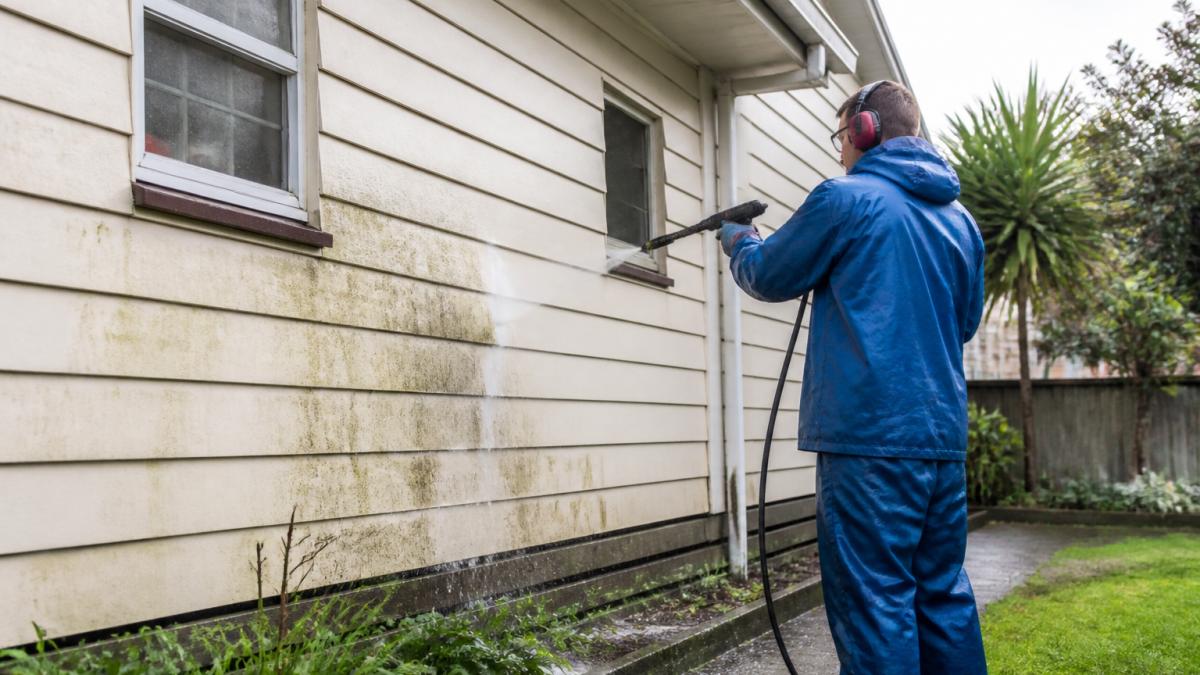
The Real Cost of Getting It Wrong
DIY pressure cleaning looks cheap until something breaks. Hire equipment, buy detergent, and give up a Saturday, and the real cost creeps up fast. Then add the risk: too much water pressure strips paint, forces water behind cladding, and etches concrete. A common mistake is treating every surface the same. Render, timber, and painted weatherboard each need a different approach, and a hired machine gives you one setting and no guidance.
When DIY Makes Sense (and When It Doesn't)
A quick rinse of a concrete path or a small paved courtyard is fair game for a DIY job with a basic garden hose and a stiff broom. Anything above head height, anything with mould or salt build-up, and anything delicate, timber decks, rendered walls, painted fascias, is where DIY stops making sense. That is the point where professional experience saves money rather than costing it.
Pressure Washing vs Soft Washing: Which Method Suits Your Surfaces?
Pressure washing vs soft washing is the single biggest decision in any exterior clean, and getting it wrong is how surfaces get damaged. Pressure washing uses high water pressure to strip dirt from hard, durable surfaces. Soft washing uses low pressure combined with specialist cleaning products to treat mould, algae, and grime on delicate surfaces.
Surface-by-Surface Method Selection
| Surface | Recommended Method | Why |
|---|---|---|
| Concrete paths and driveways | Pressure washing | Hard surface tolerates high pressure |
| Timber decks | Soft washing | High pressure splinters and furrows timber |
| Rendered and painted walls | Soft washing | Pressure strips paint and cracks render |
| Roof tiles | Soft washing | Walking and blasting damages tiles |
| Brick and pavers | Pressure washing | Durable, but nozzle choice matters |
The rule we apply on site: if a surface can be scratched with a fingernail, it does not get high pressure. Delicate surfaces need the right chemistry and the right dwell time, not more force.
What Professional House Washing Typically Includes
A proper exterior house wash covers more than the front wall. Most professional house washing includes a pre-treatment of mould and grime, a surface-appropriate wash, a rinse of windows and frames, and a clean-up of paths and garden beds afterwards. The details matter more than the headline.
A typical job includes:
- Pre-wetting gardens and surrounding surfaces to protect plants
- Applying a treatment for mould, algae, and salt build-up
- Washing walls, eaves, fascias, and gutters at the correct pressure
- Cleaning driveways, paths, and paved areas
- Rinsing windows, frames, and outdoor furniture
- A final walk-through with the homeowner
What most guides miss is the prep work. Protecting garden beds and covering power points before a single drop of water lands is what separates a professional clean from a DIY mess.
Understanding House Washing Cost in Sydney
House washing cost depends on the size of the property, the surfaces involved, the level of build-up, and access. We do not publish fixed prices because no two properties are the same, a single-storey brick home and a three-storey rendered property with a timber deck are completely different jobs.
That said, refusing to give any indication of price is not helpful either. The variables below are what move a quote up or down, and understanding them lets you compare quotes on equal terms rather than on the headline number alone.
What Drives the Price Up or Down
- Property size and height, more surface area and access equipment mean more time. A two-storey home with a steep block typically takes considerably longer than a single-storey home on a flat block, even when the wall area is similar.
- Surface type, delicate surfaces such as render, timber, and painted weatherboard need slower, more careful methods and often a soft-wash approach rather than high pressure.
- Level of build-up, heavy mould, algae, or salt requires stronger treatment, longer dwell times, and repeat passes, all of which add labour.
- Access, tight side passages, locked gates, steep driveways, and neighbouring properties close to the boundary slow the job down and may require different equipment.
- Frequency, regular maintenance cleans are quicker and cheaper than a first deep clean, because build-up has not had time to bond to the surface.
- Add-ons, gutter brightening, window rinsing, deck stripping, and roof treatment are usually quoted separately, so check whether they are included or excluded.
What a Quote Should Include
A written quote should spell out more than a dollar figure. Look for:
- Which surfaces are covered, and which are excluded
- The method proposed for each surface (pressure washing or soft washing)
- Whether gutters, eaves, fascias, and windows are included
- How gardens, pets, and power points will be protected
- Whether the price includes pre-treatment and post-rinse
- What happens if damage occurs, and who is responsible
If a quote does not mention surface method, garden protection, or insurance, that is not a bargain, it is a transfer of risk onto your property. For a current quote, the fastest path is a site assessment. Safe Work Australia's guidance on working at heights is worth reading if you are weighing up a DIY job on a two-storey home, because height and access are where most DIY injuries happen.
How Often to Wash a House Exterior in Sydney's Climate
How often to wash a house exterior depends on where the property sits. Coastal homes exposed to salt spray generally need a wash every six to twelve months. Homes further inland, away from the salt, can often stretch to every twelve to eighteen months.
Those intervals are a starting point, not a rule. The right schedule depends on what is growing on the surface, how quickly it returns, and what the surface is made of. A rendered wall in full shade may show green algae within months, while a sun-exposed brick wall in a dry inland suburb may look clean for well over a year.
What Actually Drives the Interval
- Salt exposure, coastal properties closest to the surf get a salt film that traps dust and accelerates surface staining, so they sit at the shorter end of the range.
- Shade and moisture, south-facing walls, walls under dense trees, and areas that stay damp after rain grow mould and algae fastest.
- Surface type, porous render and unpainted timber hold moisture and organic growth longer than glazed brick or painted surfaces.
- Tree litter, properties under gums, figs, or flowering trees collect sap, pollen, and leaf tannins that stain and feed mould.
- Prevailing weather, a wet season with high humidity will push the interval shorter than a dry stretch.
What Changes Between Washes
A maintenance clean is not the same job as a first deep clean. On a regular schedule, the operator is removing light build-up before it bonds, which usually means lower pressure, less chemical, and less time on site. Skip two or three cycles and the same surface may need a stronger treatment, repeat passes, and in some cases a restoration clean rather than a maintenance wash. That is where the cost difference between a scheduled clean and a rescue clean becomes obvious.
A Simple Maintenance Rhythm
- Coastal, exposed: inspect every six months, wash every six to twelve months
- Inland, open aspect: inspect annually, wash every twelve to eighteen months
- Heavy tree cover or shaded walls: inspect every six months, wash every six to twelve months
- After a major storm or bushfire smoke event: inspect sooner, because ash and debris settle into render and gutters
Sydney's climate does the damage quietly. Salt air settles on surfaces, humidity feeds mould, and dust and pollen bond to walls over time. Left alone, that build-up stains render, discolours timber, and makes paths slippery. A regular maintenance schedule keeps surfaces protected and avoids the cost of a heavy restoration clean later.
Insurance, Licensing, and Contractor Checks Before You Book
Before you book anyone, verify three things: insurance, licensing, and a written scope of works. In New South Wales, businesses must hold public liability insurance, and any contractor working at height should be able to show you their policy and their safe work method. Ask directly, and do not accept a verbal assurance.
Run this checklist before you book:
- Public liability insurance certificate, current and in the business name
- ABN and business details that match the quote
- Written scope: which surfaces, which method, what is excluded
- Confirmation of how gardens, pets, and power points are protected
- Before-and-after photos from similar local jobs
- A clear process for reporting damage if something goes wrong
The thing nobody tells you about cheap quotes is what they leave out. If a quote does not mention surface method, garden protection, or insurance, that is not a bargain, it is a transfer of risk onto your property.
Environmental and Runoff Considerations for Sydney Properties
Runoff is the part of exterior cleaning most homeowners never think about, and it matters. Wastewater from washing carries dirt, detergent, and mould spores, and in many areas it flows into stormwater drains that lead to creeks, rivers, and harbours. Cleaning products should be biodegradable, and wastewater should be directed away from drains and onto lawns or garden beds where it can be absorbed.
We treat this as a standard part of the job, not an add-on. If you are cleaning near a drain, a garden, or a waterway, plan the runoff before you start, not after. Your local council's stormwater and waterway protection guidance explains what can and cannot enter the stormwater system.
Conclusion: Making the Right Call for Your Property
The decision usually comes down to risk. If the surface is durable, low, and easy to reach, DIY can work.
AquaBlast Elite brings modern high-pressure cleaning equipment, customized solutions for every project, and years of experience across residential, commercial, and industrial properties throughout Sydney and surrounds. Our skilled professionals match the method to the surface, protect your garden and runoff, and restore surfaces so they look new again.
Get started with AquaBlast Elite and book a call to see exactly what a professional exterior clean can do for your property.
Frequently Asked Questions
What are the benefits of hiring a professional house washer?
Professional house washing removes dirt, grime, mould, and salt build-up that everyday cleaning can't shift. It protects exterior surfaces from long-term damage, reduces slip hazards on paths and decks, and improves property presentation for sale or rental. Professionals also have the equipment and training to clean delicate surfaces without causing damage, and they handle runoff responsibly so your garden and stormwater system stay protected.
Is it better to pressure wash a house or soft wash it?
It depends on the surface. Pressure washing suits hard surfaces like concrete driveways and brick walls, while soft washing is safer for timber decks, painted weatherboards, and older render. Soft washing uses lower pressure with specialist cleaning solutions to kill mould and algae at the root. A professional house washer will assess each surface and choose the right method, which is why pressure washing vs soft washing isn't a one-size-fits-all decision.
How often should a house be professionally washed?
Most Sydney homes benefit from a professional wash every 12 to 18 months. Properties near the coast or under heavy tree cover may need cleaning every 6 to 12 months because salt build-up and organic matter accumulate faster. Regular maintenance keeps surfaces protected and avoids the need for more intensive, costly restoration later. If you're preparing for sale, a wash within three months of listing gives the best presentation.
What should I check before hiring a house washing company?
Ask for proof of public liability insurance and check whether the business holds relevant licences for the work. Request before-and-after photos from similar properties, confirm what's included in the quote (walls, eaves, paths, decking), and ask which cleaning products they use and how they manage runoff. A reputable provider will answer all of these without hesitation.