 blog
5 Cleaning Solutions for Residential Siding That Actually Work
Last Updated: October 24, 2026
Quick Summary
The best cleaning solutions for residential siding depend on your material, the type of soiling, and your risk tolerance. Start with mild detergent solutions for light maintenance on vinyl, commercial vinyl cleaners for stubborn stains, and oxygen-based cleaners for timber to avoid damage.
- Most residential siding should never exceed 1,500 PSI when pressure washing to prevent damage.
- Mild detergent mixed with water and white vinegar tackles light soiling without risking vinyl damage.
- Biocide-based cleaners eliminate mould and mildew at the source, with results appearing in 48 hours and lower regrowth rates.
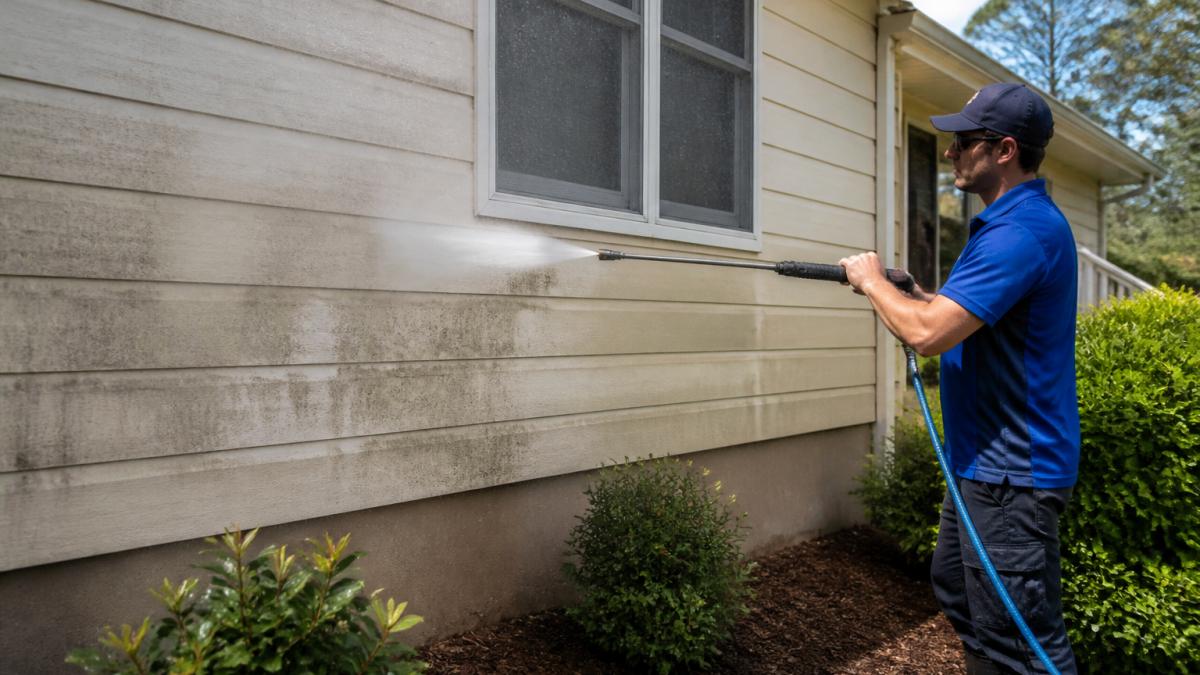
- Always spray downward along grain or seams and maintain at least 30 centimetres distance to prevent water damage behind siding.
- Professional cleaning makes sense for extensive soiling, delicate materials, or when preparing your home for sale.
Table of Contents
- Why Residential Siding Needs Regular Cleaning
- Best Vinyl Siding Cleaner Options
- How to Clean Siding Without a Pressure Washer
- Siding Cleaner for Mould and Mildew Removal
- Safe Pressure Washing for Residential Siding
- Comparing Cleaning Solutions: What Works Best
- Getting Professional Siding Cleaning for Your Home
- Frequently Asked Questions
Why Residential Siding Needs Regular Cleaning
Your home's exterior takes a beating. Weather, pollution, mould, mildew, and algae accumulate faster than most homeowners realise. Left unchecked, these contaminants don't just look bad; they can degrade the material itself. The longer you wait, the harder cleaning becomes, and the more damage prevention costs.
This is where understanding the right cleaning solutions for residential siding matters most. Different surfaces respond to different approaches. Vinyl, timber, brick, and composite materials each have vulnerabilities. Pressure alone won't fix everything; sometimes it causes more problems. The goal is choosing a cleaning solution that actually works for your specific situation without creating new issues.
The difference between a restoration that looks pristine and one that leaves your property worse comes down to matching the cleaning method to the material and the problem.
Regular cleaning extends the life of your siding, maintains your home's appearance, and protects your investment. But it only works if you use the right solution.
Best Vinyl Siding Cleaner Options
Vinyl siding dominates residential properties because it's affordable and low-maintenance. That doesn't mean it cleans itself. The best vinyl siding cleaner options fall into a few categories, and each has trade-offs worth understanding.
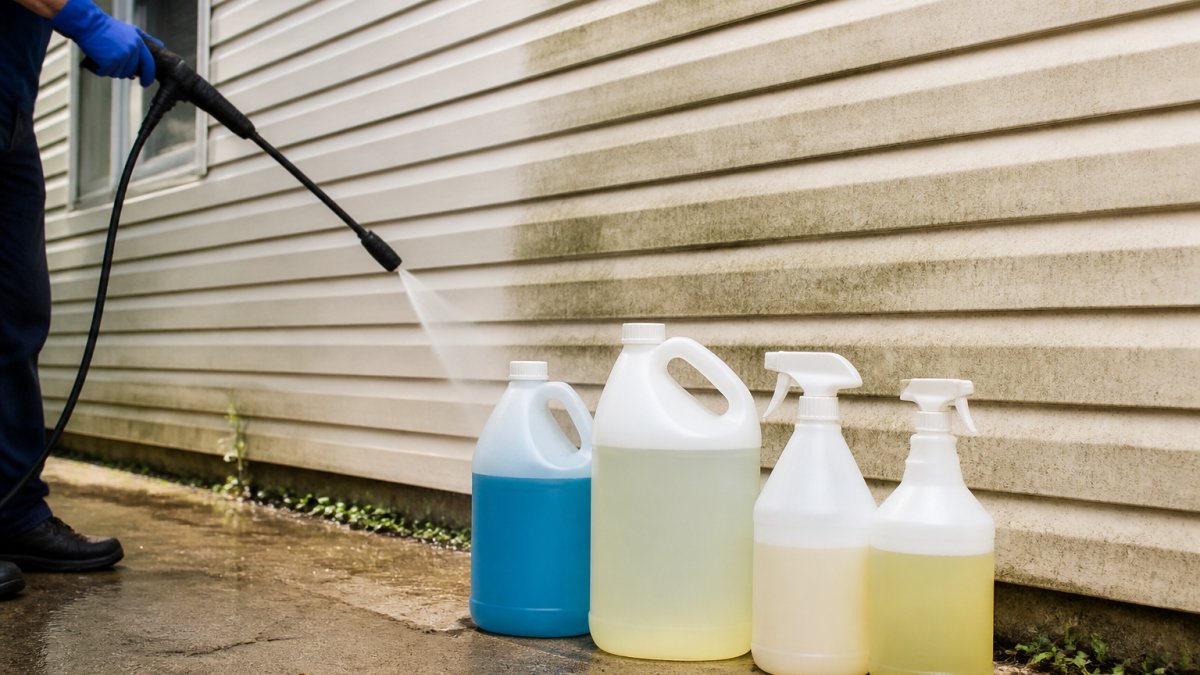
Mild detergent solutions are the safest starting point. A mixture of household detergent, water, and a small amount of white vinegar tackles light soiling without risk. This approach works well for routine maintenance, dirt, dust, and light algae. It won't handle heavy mould or years of accumulated grime, but it's gentle enough that you can't accidentally damage the vinyl.
Commercial vinyl cleaners designed specifically for siding offer more power. These products contain surfactants that break down stubborn stains and mild biocides that target mould and mildew. They're stronger than detergent solutions but gentler than pressure washing alone. Most require dilution and a soft-bristle brush or low-pressure spray. Results appear within hours of application.
Oxygen-based cleaners represent a middle ground. They work through oxidation rather than harsh chemicals, meaning they're less likely to harm surrounding plants or leave chemical residue. These cleaners work slower than chemical alternatives, often requiring 24 hours or more, but they're effective for moderate soiling and safe for most environments.
The mistake most homeowners make is jumping straight to pressure washing when a cleaning solution would do the job. Vinyl can handle pressure, but it doesn't need it for most situations. Start with the mildest option that addresses your specific problem, then escalate only if necessary.
| Cleaner Type | Best For | Application | Time to Results |
|---|---|---|---|
| Mild detergent | Light dirt and dust | Soft brush or low pressure | 1-2 hours |
| Commercial vinyl cleaner | Stubborn stains, light mould | Spray and brush | 4-8 hours |
| Oxygen-based cleaner | Moderate soiling | Spray and wait | 24 hours |
How to Clean Siding Without a Pressure Washer
Not every cleaning job requires industrial equipment. In fact, pressure washers are often overkill and frequently cause damage when used incorrectly. Many homeowners find that learning how to clean siding without a pressure washer saves money and produces better results.
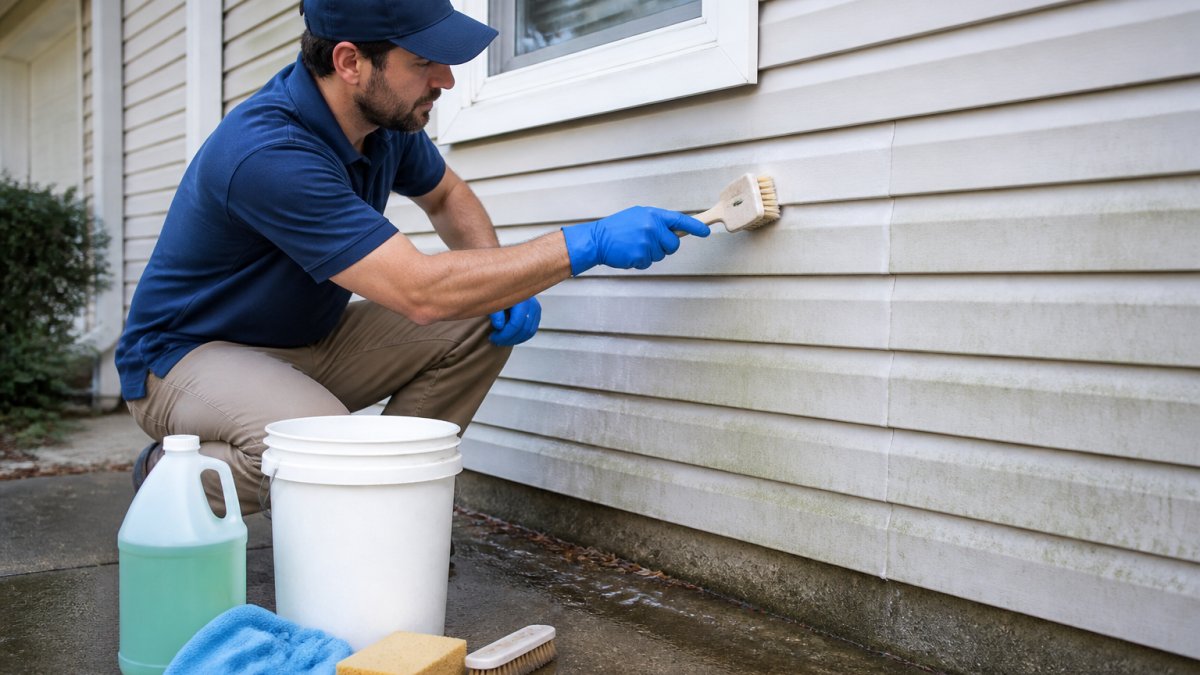
Start with a soft-bristle brush and a bucket of appropriate cleaning solution. For vinyl, use the mild detergent mixture mentioned above. For timber, avoid anything acidic; stick to neutral pH cleaners. Work from top to bottom in small sections. Wet the area first, apply the cleaner, let it sit for 10-15 minutes, then gently scrub with the brush. Rinse thoroughly with a regular garden hose.
For stubborn spots, a stiff-bristle brush works better than pressure. You control the force precisely, and you can feel when you're applying too much pressure. This tactile feedback prevents the overscrubbing that damages paint or sealers.
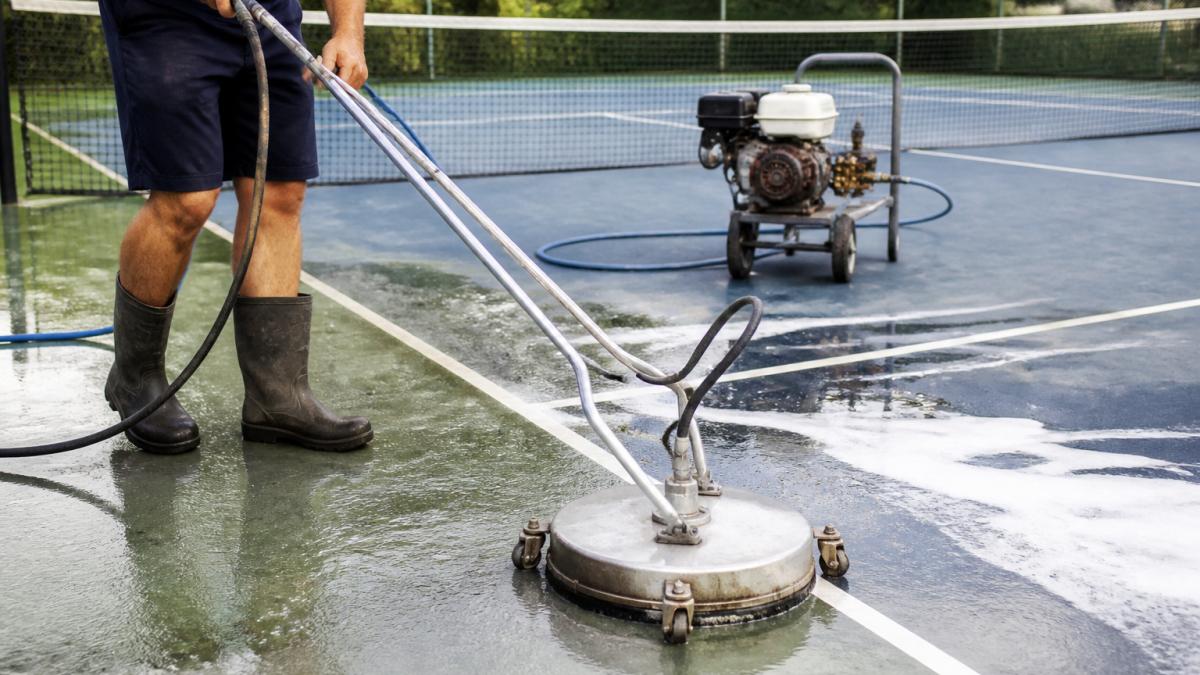
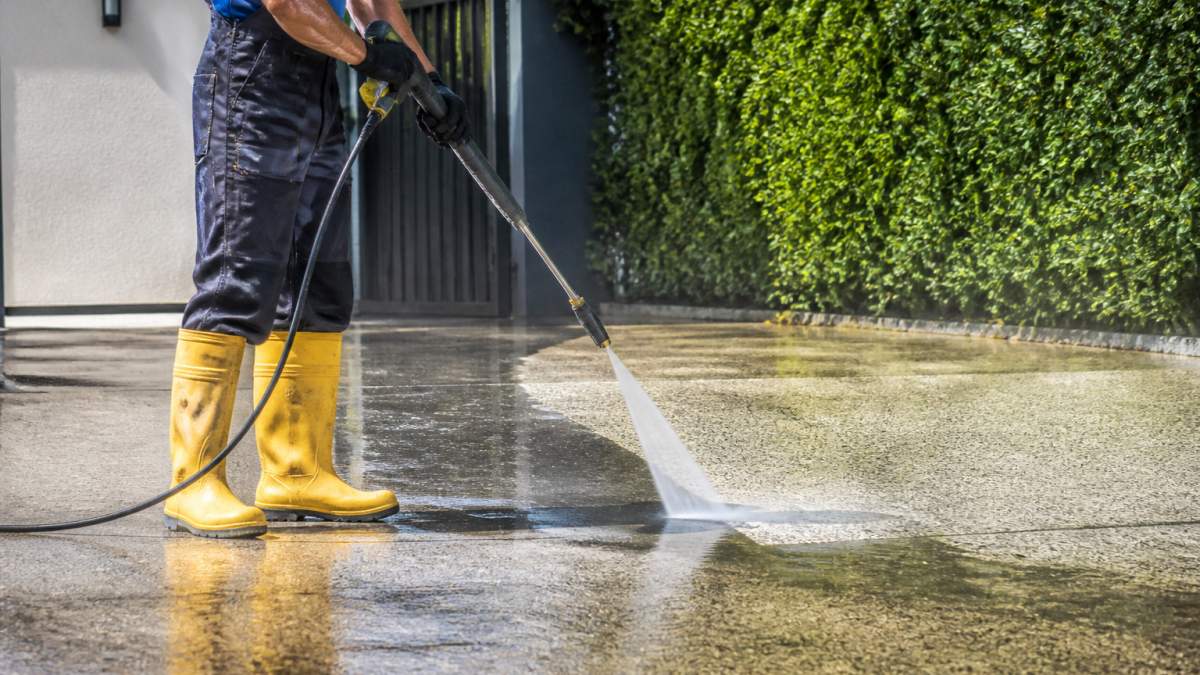
A garden hose with a spray nozzle gives you flexibility. Start with a wide spray pattern and narrow it only if needed. Most residential soiling rinses away with standard water pressure. Reserve high-pressure equipment for heavily soiled commercial surfaces or concrete, not delicate residential siding.
The time investment is longer than pressure washing, but the risk of damage drops dramatically. You'll also avoid water damage to adjacent structures, electrical fixtures, and landscaping that pressure can cause.
Siding Cleaner for Mould and Mildew Removal
Mould and mildew are the most common problems with residential siding, especially in humid climates. They're not just unsightly; they indicate moisture retention that can lead to structural damage if left untreated. The right siding cleaner for mould and mildew removal targets the fungal growth itself rather than just the surface staining.
Bleach-based solutions kill mould spores but carry risks. Bleach can damage certain materials, harm plants, and leave residue. If you use it, dilute heavily (one part bleach to ten parts water) and rinse thoroughly. Never mix bleach with ammonia or other cleaners.
Biocide-based cleaners are formulated specifically to eliminate mould and mildew at the source. These products penetrate slightly into the siding surface to kill the fungal structure, not just the visible growth. Results take longer than bleach, often 48 hours, but the regrowth rate is lower because you've addressed the organism itself.
White vinegar solutions work for light mould. The acidity creates an environment where mould struggles to return. Mix equal parts vinegar and water, spray the affected area, and let it sit for several hours before rinsing. This approach is gentler on materials and safer for surrounding vegetation.
The key insight most guides miss: mould returns quickly if you don't address the underlying moisture problem. Even the best cleaning solution won't prevent regrowth if water continues accumulating on your siding. Preventing mould regrowth on exterior walls requires understanding drainage patterns, ventilation, and surface preparation, not just the cleaner you choose.
Safe Pressure Washing for Residential Siding
When cleaning solutions and brushes aren't enough, pressure washing becomes necessary. The challenge is doing it safely. Residential siding requires a different approach than commercial or industrial surfaces.
The pressure threshold matters enormously. Most residential siding should never exceed 1,500 PSI (pounds per square inch). Vinyl can handle slightly higher, but timber and composite materials suffer damage above this level. Many contractors use 2,500-3,000 PSI out of habit, which explains why homeowners often report damage after professional cleaning.
Distance from the surface is equally critical. A narrow spray pattern at close range concentrates pressure into a small area, which can puncture vinyl or gouge timber. Maintain at least 30 centimetres of distance and use a wide spray pattern. This distributes pressure evenly and reduces the risk of damage.
Angle matters too. Spray downward along the grain of timber or along the seams of vinyl. Spraying upward forces water behind the siding, where it causes rot and structural damage. This mistake is common and expensive to repair.
Temperature affects results. Cold water works for light soiling. Warm water improves cleaning power without requiring higher pressure. Never use water hot enough to damage the siding material itself; around 40°C is optimal for most residential applications.
Safe pressure washing for residential siding requires technique and restraint. The goal is cleaning, not stripping away protective coatings or forcing water into cavities where it causes long-term damage.
Comparing Cleaning Solutions: What Works Best
The best cleaning solutions for residential siding depend on three factors: the material, the type of soiling, and your risk tolerance.
For light maintenance on vinyl, mild detergent solutions win. They're cheap, safe, and effective. For stubborn stains on vinyl, commercial vinyl cleaners deliver results without risk. For timber, oxygen-based cleaners are the safest choice because they avoid the corrosion risks of acids and the damage potential of pressure.
Mould and mildew require biocide-based solutions or bleach, depending on your material and environmental concerns. If environmental impact matters to you, eco-friendly pressure cleaning solutions for homes offer effective alternatives that break down safely without harming soil or waterways.
The most common mistake is assuming one solution works for everything. It doesn't. Vinyl responds to different products than timber. Fresh dirt responds to different approaches than years of accumulated algae. A solution that's safe for one material can damage another.
Here's what separates effective cleaning from damage: matching the solution strength to the actual problem. Start mild. Escalate only if needed. This approach saves money, prevents damage, and usually delivers better results than aggressive methods applied to light soiling.
Getting Professional Siding Cleaning for Your Home
Sometimes the job demands professional equipment and expertise. Knowing when to hire matters as much as knowing which cleaner to use.
Professional cleaning makes sense when the soiling is extensive, the siding material is delicate, or you're preparing your home for sale. A professional brings equipment calibrated for different pressures, knowledge of material-specific risks, and insurance that covers damage. They also work faster; a full home exterior that takes a weekend as a DIY project takes hours professionally.
When evaluating professionals, ask about their approach to your specific material. A contractor who uses the same pressure and method for vinyl, timber, and brick is a red flag. Ask about their experience with your siding type. Request references from similar homes in your area.
How to choose a professional pressure cleaning service involves checking their equipment, understanding their process, and confirming they carry liability insurance. The cheapest quote often reflects corners being cut, either aggressive pressure that damages your property or incomplete cleaning that requires a second round.
AQUAblast Elite brings modern equipment and years of experience to every project. Our team understands the specific vulnerabilities of different siding materials and adjusts approach accordingly. We've restored properties across Sydney and its surrounding areas, delivering results that improve curb appeal without compromising the integrity of your home.
The investment in professional cleaning pays dividends when you're selling, preparing for a significant event, or dealing with heavy soiling that DIY approaches can't address. Poor execution costs more in repairs than proper cleaning costs upfront.
Choosing the right cleaning solution for your residential siding prevents costly damage and extends the life of your exterior. When the job exceeds DIY capacity, professional cleaning with the right equipment and expertise delivers results that protect your investment. Book exterior pressure cleaning services when you're ready to restore your home's appearance with confidence.
Frequently Asked Questions
What is the best cleaner for residential siding?
The best cleaning solutions for residential siding depend on the material and level of dirt. Vinyl siding responds well to mild detergent solutions or specialised vinyl cleaners. For mould and mildew, a solution with appropriate biocide is effective. Timber siding requires gentler, eco-friendly options to avoid damage. Always check your siding manufacturer's recommendations before applying any cleaner to ensure compatibility and avoid voiding warranties.
Can you clean siding without a pressure washer?
Yes, you can clean siding without a pressure washer using a soft-bristled brush, garden hose, and appropriate cleaning solution. Mix mild detergent with water and scrub gently, then rinse thoroughly. This method works well for light to moderate dirt and is safer for delicate surfaces like timber or older vinyl. For stubborn stains or heavy soiling, professional pressure washing may be more efficient, but hand-washing is a viable alternative for routine maintenance.
What removes mould and mildew from house siding?
Siding cleaner for mould and mildew removal typically contains biocides or fungicides designed to kill spores. A solution of water with a small amount of bleach or commercial mould-killing cleaner works on most materials, but always test on a small area first. Pressure washing at lower PSI combined with a mould-specific cleaner is effective for stubborn growth. Prevention through regular cleaning and ensuring proper drainage around your home reduces mould recurrence significantly.
Is it safe to use a pressure washer on residential siding?
Safe pressure washing for residential siding requires proper technique and equipment settings. Most vinyl and fibre cement siding can handle 1200-1500 PSI with a wide-angle nozzle held at least 30 centimetres away. Timber siding needs lower pressure (below 1000 PSI) to avoid damage. Never point the nozzle directly at seams, joints, or windows. Professional cleaners understand material-specific requirements and adjust pressure accordingly, minimising risk of water infiltration, surface damage, or paint removal.