 ultimate-guide
Eco-Friendly Exterior Cleaning: A 2026 Guide
Table of Contents
- Why Eco-Friendly Exterior Cleaning Matters for Your Property
- Soft Washing vs Pressure Cleaning: Which Method Protects Your Surfaces
- Biodegradable Pressure Washing Chemicals: How They Work
- Exterior Surfaces and Eco-Friendly Treatment Methods
- Water Conservation and Chemical Runoff Prevention
- Cost-Benefit Analysis: Green vs Traditional Cleaning
- DIY Eco-Friendly Cleaning Recipes for Common Exterior Problems
- Residential vs Commercial Eco-Friendly Cleaning Needs
- Frequently Asked Questions
Last Updated: September 22, 2026
Why Eco-Friendly Exterior Cleaning Matters for Your Property
Eco-friendly exterior cleaning is no longer a trend. Property owners increasingly recognise that maintaining curb appeal doesn't require harsh chemicals or excessive water waste. The right approach transforms both appearance and environmental footprint.
Traditional pressure washing leaves chemical residue that seeps into soil and stormwater systems. Biodegradable solutions and low-pressure techniques achieve superior results without that environmental cost.
Eco-friendly exterior cleaning is practical: water-based, non-toxic formulations protect surfaces from damage that high-pressure blasting causes. Timber decks, render, and delicate stonework benefit from gentler methods, and results last longer because the underlying material stays intact.
Soft Washing vs Pressure Cleaning: Which Method Protects Your Surfaces
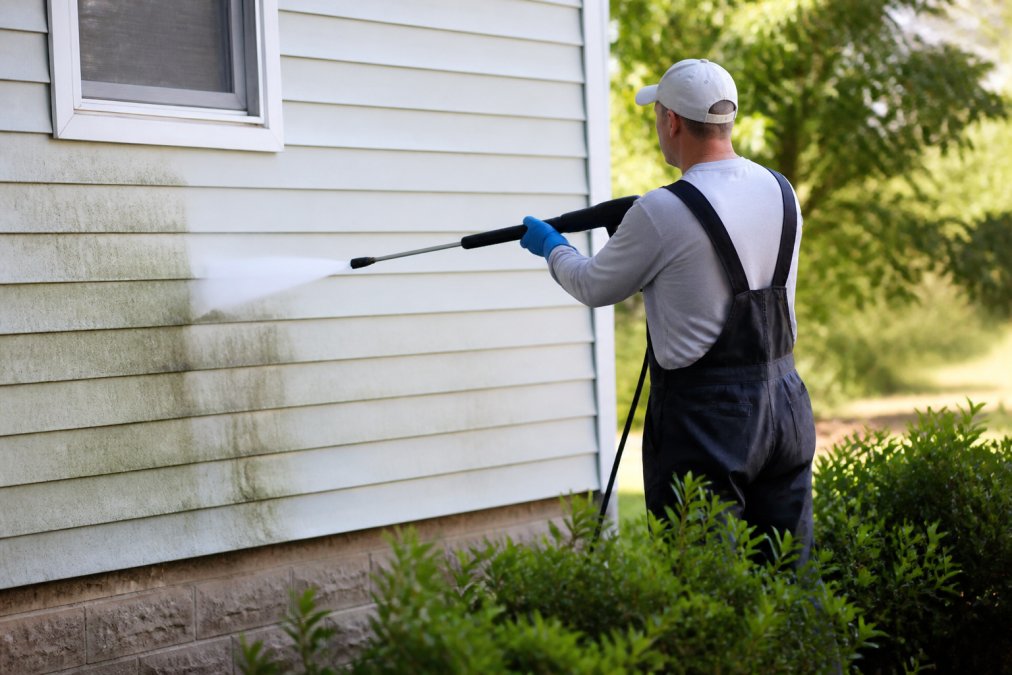
Soft washing uses low-pressure water with biodegradable solutions to remove organic growth and stains. Pressure washing applies high-pressure jets for stubborn buildup on durable surfaces. Choice depends on surface type and the problem.
The critical difference lies in surface integrity. Soft washing preserves delicate materials. Timber, render, and weathered masonry can withstand the gentle approach but will suffer permanent damage from high-pressure jets. Concrete driveways and industrial surfaces, by contrast, often need pressure washing to remove embedded grime or oil stains that soft washing alone won't shift.
Most property managers default to pressure washing for everything, a costly mistake. High-pressure passes strip protective coatings from timber, splinter wood fibres, and force water behind render cladding, causing hidden moisture damage.
Soft washing delivers cleaner results on sensitive surfaces because biodegradable detergents break down organic matter, algae, lichen, and mold. For roofs, gutters, and timber cladding, soft washing is the only method that preserves surface life.
Biodegradable Pressure Washing Chemicals: How They Work
Biodegradable cleaning solutions break down naturally within days through microbial action and photodegradation, unlike traditional surfactants that persist for months or years. Effective eco-friendly solutions combine multiple active ingredients, each targeting specific contaminants.
Common active ingredients and their mechanisms:
Sodium lauryl sulfate (plant-derived) reduces surface tension and breaks down within 2-5 days. D-limonene (citrus extract) dissolves oil and grease within 1-3 days. Citric acid adjusts pH and dissolves mineral deposits. Enzymes (protease, amylase) break down algae, mold, and biological growth.
Eco-friendly algaecides use copper-free compounds that disrupt algal cell membranes without accumulating in sediment. Mold treatments include tea tree oil or thyme extract, which degrade within days with no toxicity risk.
Degradation and environmental persistence:
Traditional chemicals containing nonylphenol ethoxylates (NPEs) persist for months and bioaccumulate in aquatic organisms. Biodegradable solutions certified to AS/NZS ISO 14855 break down within 28 days to carbon dioxide, water, and biomass; real-world degradation is often faster.
Concentration and application efficacy:
Biodegradable algaecides are applied at 1:3 to 1:5 dilution and sit for 10-20 minutes (dwell time) before low-pressure rinsing. Dwell time is critical; rushing the rinse wastes efficacy and increases water consumption.
Traditional bleach-based cleaners require higher pressure to rinse, consuming more water and risking surface damage. Biodegradable solutions achieve superior results because chemistry does the work, not brute force.
Safety profile and practical benefits:
Biodegradable solutions pose no risk to pets, children, or plants, and won't trigger respiratory irritation. Storm drains and waterways receive runoff that breaks down naturally rather than persisting as chemical pollution.
The cost difference between traditional and biodegradable solutions has narrowed to 5-15%, making the choice straightforward from both ecological and financial standpoints.
Exterior Surfaces and Eco-Friendly Treatment Methods
Different surfaces demand different approaches. A one-size-fits-all cleaning method will either under-clean some surfaces or damage others. Understanding what each material can tolerate is the foundation of effective, sustainable exterior maintenance.
Concrete driveways and pathways
Concrete is porous; oil stains, tyre marks, and algae embed into the surface. Controlled pressure combined with biodegradable degreasers achieves better results than high pressure, which forces water into micro-cracks and accelerates deterioration.
Pre-treat oil stains with plant-based degreaser before pressure washing to reduce pressure needed and prevent oil from being pushed deeper. Algae and moss respond to soft washing with biodegradable algaecide followed by gentle rinsing.
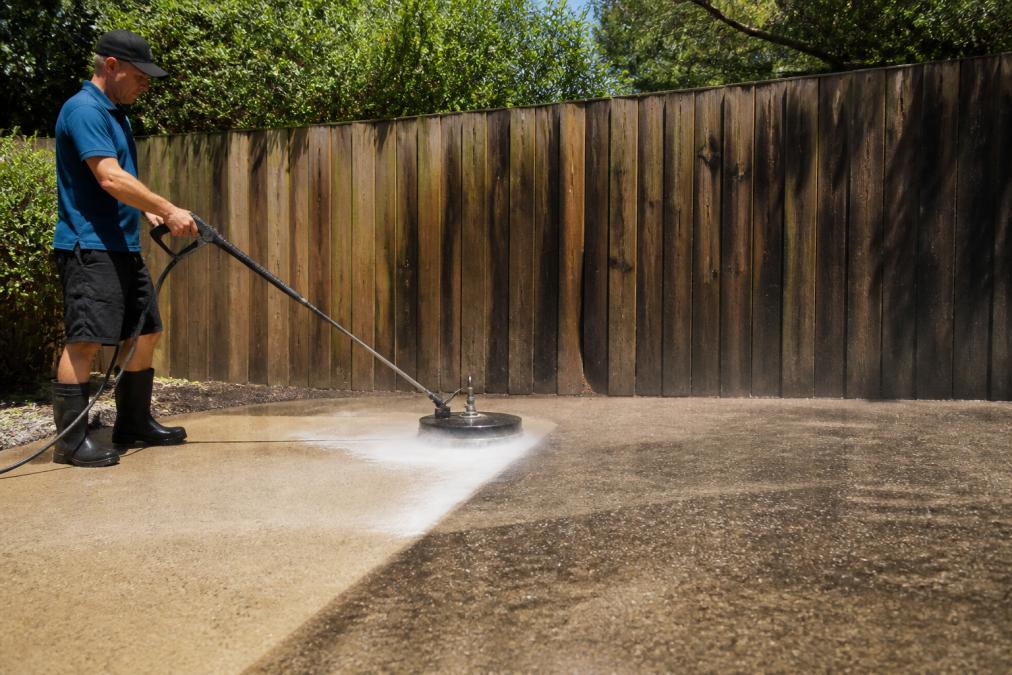
Sealing concrete after cleaning extends its life by filling pores and protecting against staining. Combined with regular soft washing maintenance, sealed concrete maintains appearance for years.
Timber decks and fencing
Timber is most damaged by improper pressure washing. High-pressure jets strip coatings, splinter fibres, and create moisture pathways. Soft washing with biodegradable fungicide and algaecide is the appropriate method.
Assess timber first. If stain or sealant exists, soft washing preserves protective layers while removing contamination. For weathered timber, soft washing followed by sanding and re-staining is the sustainable renewal approach.
Gutter vacuuming is critical: debris-filled gutters direct water onto timber fascias and soffits, causing rot. Removing debris prevents expensive timber replacement.
Roofs and gutters
Roof cleaning requires precision on fragile tiles and slate. Soft washing with biodegradable moss and algae treatment kills growth at the root and removes dead matter without dislodging tiles.
Gutter cleaning combines vacuuming to remove dry debris and soft washing to remove algae and mold buildup.
Water Conservation and Chemical Runoff Prevention
Traditional pressure washing consumes 80-150 litres per minute; soft washing uses 15-30 litres per minute (80% reduction). A 100-square-metre driveway requires 400-800 litres with pressure washing versus 50-150 litres with soft washing. Quarterly cleaning uses 1600-3200 litres annually with pressure washing versus 200-600 litres with soft washing.
Local stormwater system impact:
Chemical persistence in soil and sediment:
Practical containment and prevention strategies:
For residential properties, simple measures include:
- Positioning equipment so runoff flows toward garden beds or permeable areas rather than storm drains
- Using a berm (temporary barrier) of sandbags or silt fencing to contain runoff if the property slopes toward a drain
- Scheduling cleaning during dry weather so runoff has time to infiltrate soil rather than running directly into drains
- Using a lower-pressure spray pattern that minimises splashing and off-target runoff
For commercial properties, more sophisticated approaches include:
- Installing temporary sediment filtration systems that capture runoff before it enters storm drains
- Scheduling cleaning during low-traffic periods to minimise the volume of runoff
- Using recycled water systems that capture and filter rinse water for reuse on subsequent cleaning stages
- Applying biodegradable solutions at lower concentrations to reduce chemical load while maintaining efficacy
Recycled water and closed-loop systems:
Cost-Benefit Analysis: Green vs Traditional Cleaning
Biodegradable solutions now cost roughly the same as conventional chemicals. Water savings from soft washing reduce overall consumption. The real difference lies in surface preservation and long-term value.
DIY Eco-Friendly Cleaning Recipes for Common Exterior Problems
Simple recipes using household ingredients deliver eco-friendly results for lightly soiled surfaces and regular maintenance.
Residential vs Commercial Eco-Friendly Cleaning Needs
Residential and commercial properties face different cleaning demands and environmental considerations. Understanding these differences shapes the appropriate maintenance strategy.
Frequently Asked Questions
What are the main benefits of using eco-friendly exterior cleaning solutions?
Eco-friendly cleaning protects your property's surface integrity by avoiding harsh chemical damage, keeps your garden and local waterways safe from toxic runoff, and reduces your environmental footprint. These solutions are typically pH-neutral and residue-free, meaning surfaces stay cleaner longer. For families with pets and children, non-toxic formulations eliminate health risks from chemical exposure. Property value also improves when exteriors are maintained with sustainable methods that don't degrade surfaces over time.
How do biodegradable pressure washing chemicals differ from traditional cleaners?
Biodegradable pressure washing chemicals break down naturally in the environment without leaving toxic residue, whereas traditional cleaners often contain harsh chemicals that persist in soil and waterways. Biodegradable solutions are water-based and organic, making them safe for pets, children, and aquatic life. They're equally effective at removing algae, mold, and grime because they target the biological cause rather than relying on chemical aggression. The main trade-off is that some stubborn stains may require slightly longer dwell time, but the environmental protection and surface safety make this worthwhile.
Is soft washing better for the environment than high-pressure cleaning?
Soft washing is gentler on surfaces and uses lower water pressure combined with eco-conscious cleaning agents, making it superior for environmental protection. It reduces water waste by up to 50% compared to high-pressure methods and minimises chemical runoff into storm drains. However, high-pressure cleaning can be necessary for heavily soiled concrete or industrial surfaces. The best approach combines both: soft washing for delicate areas like timber decks and painted walls, and regulated pressure washing for resilient surfaces like driveways. This hybrid method protects the environment while delivering thorough results.
What should I look for in a professional eco-friendly exterior cleaning service?
Choose a provider that uses pH-neutral, biodegradable detergents and offers soft washing as a standard option. Verify they employ water conservation techniques and have processes to prevent chemical runoff into local waterways. Ask about their equipment, modern systems regulate pressure to match surface type, protecting integrity. Request before-and-after examples specific to your surface type, and confirm they carry insurance and have experience with your property's materials. A reputable service will discuss your environmental concerns upfront and explain their methods rather than defaulting to high-pressure blasting for every job.
Exterior maintenance doesn't require choosing between pristine surfaces and environmental responsibility. Eco-friendly cleaning solutions deliver both. If your property needs professional attention, whether residential, commercial, or industrial, AquaBlast Elite brings cutting-edge equipment and years of expertise to restore and rejuvenate your surfaces. BOOK A CALL with our team to discuss a customized cleaning plan that protects your property and respects the environment.