 ultimate-guide
Benefits of Soft Washing for Residential Roofs
Table of Contents
- What Is Soft Washing and How Does It Protect Your Roof?
- Pressure Washing vs Soft Washing: Why the Difference Matters
- Removing Algae, Moss, and Lichen Without Surface Damage
- How Often Should You Clean Your Roof to Maintain Its Condition?
- Is Soft Washing Safe for Terracotta Tiles and Other Roofing Materials?
- Extending Roof Lifespan and Protecting Your Investment
- Soft Washing, Warranties, and Chemical Safety Considerations
- Frequently Asked Questions
Last Updated: September 19, 2026
What Is Soft Washing and How Does It Protect Your Roof?
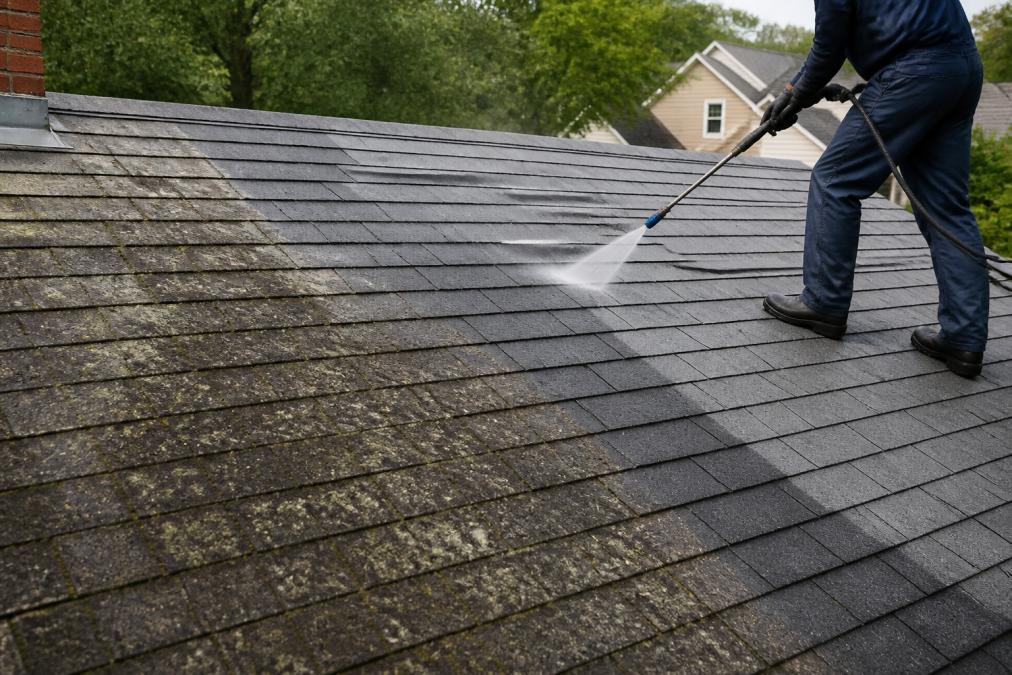
Soft washing uses biodegradable solutions and low-pressure water to remove algae, moss, and lichen without damage, delivering key benefits of soft washing for residential roofs. Unlike high-pressure washing, it relies on chemistry to dissolve contaminants rather than force, protecting roofing material integrity.
Soft washing operates below 500 PSI versus high-pressure systems exceeding 3,000 PSI. This gentler approach preserves shingle integrity and extends lifespan by killing mould spores and preventing regrowth for months.
Soft washing addresses biological growth that traps moisture and accelerates degradation, eliminating the problem without the surface damage high-pressure methods cause.
Pressure Washing vs Soft Washing: Why the Difference Matters
High-pressure systems damage roofing materials: asphalt shingles lose granules, wood shakes splinter, and tiles crack, compromising weatherproofing. Soft washing works with your roof rather than against it.
Pressure-washed roofs look clean initially but face premature replacement within 5-10 years due to underlying damage. Soft washing maintains material integrity, protecting your investment long-term.
Soft washing solutions are biodegradable and break down safely. High-pressure washing simply displaces contaminants into gutters and drainage areas, causing secondary problems.
Removing Algae, Moss, and Lichen Without Surface Damage
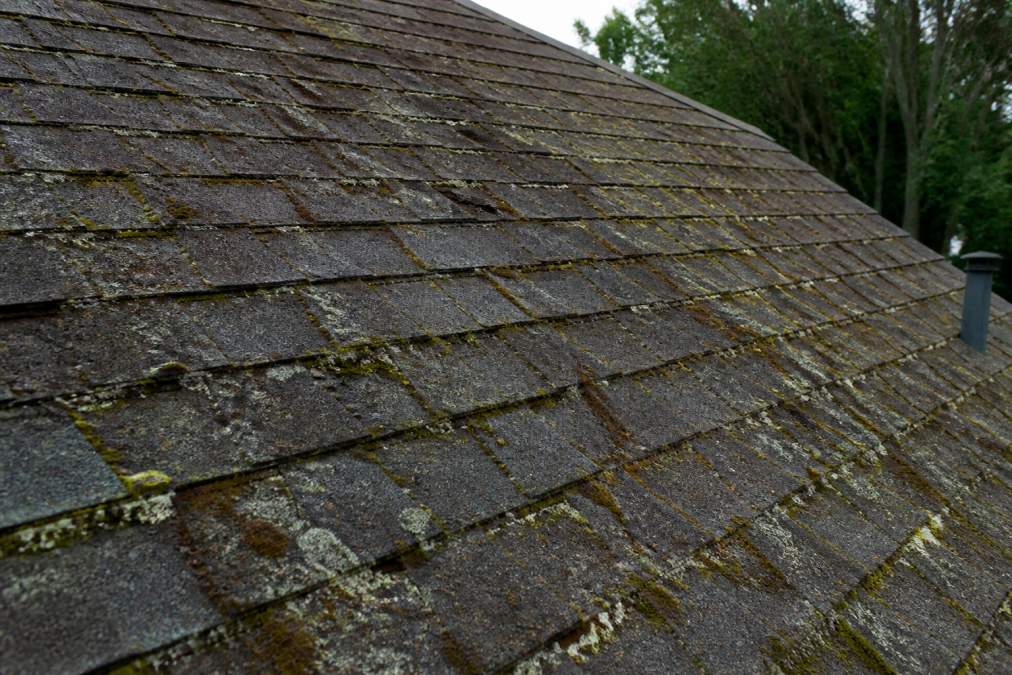
Algae (Gloeocapsa magma) creates dark staining and accelerates heat absorption. Moss develops root structures that penetrate materials in moist areas. Lichen combines both algae and fungal elements, making it particularly stubborn.
Soft washing targets each differently: algae treatments kill spores and prevent photosynthesis; moss treatments disrupt cellular structure; lichen solutions address both fungal and algal components simultaneously.
Soft washing's precision targets specific growths while leaving healthy material untouched, avoiding unnecessary pressure on valleys, flashing, and compromised areas.
DIY pressure washing often causes excessive damage through granule stripping and seam opening. Soft washing eliminates this risk because the method prevents overtreatment.
How Often Should You Clean Your Roof to Maintain Its Condition?
Roof cleaning frequency depends on climate, shading, and growth patterns. Condition-based assessment works better than arbitrary timelines.
Climate-based frequency guidelines:
High-humidity regions need cleaning every 12-18 months; coastal properties annually; temperate areas every 18-24 months; arid regions every 2-3 years. Shaded areas accumulate growth faster regardless of climate.
Tree coverage increases growth rates by 30-50% due to shade and leaf debris. Heavily shaded roofs need more frequent cleaning regardless of climate.
Seasonal timing matters significantly:
Autumn brings leaf debris and moisture. Winter favours moss in shaded areas. Spring is optimal for soft washing before summer heat accelerates algae spread.
Schedule a professional inspection in early spring. If algae covers 10-15% of surface or moss is visible on north-facing slopes, soft wash within 4-6 weeks. Otherwise, reassess in 6 months.
Warning signs that cleaning is overdue:
Dark staining spreading across shingles indicates active algae bloom. Visible moss on north-facing slopes suggests moisture retention threatening integrity, address within 2-4 weeks. Discolouration around penetrations indicates mould activity. Granule loss in gutters suggests biological growth is causing degradation.
Preventative maintenance schedules:
Humid climates with tree coverage: soft wash annually in early spring. Moderate climates: 18-month intervals. Arid regions: 24-30-month intervals with annual inspections.
Professional assessment establishes the right schedule based on gutter condition, ventilation, and water proximity. Annual inspections with cleaning only when growth reaches actionable thresholds balance cost and protection.
Is Soft Washing Safe for Terracotta Tiles and Other Roofing Materials?
Soft washing safety varies by material type. Terracotta tiles are porous and vulnerable to pressure but respond excellently to soft washing with proper solutions.
Asphalt shingles tolerate soft washing well. Wood shakes need gentler solutions to prevent splintering. Metal roofing avoids micro-scratches from high-pressure systems.
The supporting keyword "is soft washing safe for terracotta tiles" reflects a legitimate concern. Terracotta's porous nature means it absorbs moisture readily, but soft washing solutions are formulated to clean without saturation. Proper application includes controlled drying and ventilation to prevent water retention inside the material.
Slate roofing, another premium material, presents unique considerations. Soft washing preserves the natural finish and colour that makes slate attractive, whereas pressure washing can cause permanent discolouration and surface etching. The chemical approach ensures aesthetic preservation alongside cleaning efficacy.
Material-specific knowledge separates professional soft washing from DIY attempts. We assess your roof material before treatment selection, ensuring the cleaning method matches your specific installation. This precision prevents the costly mistakes that occur when one-size-fits-all approaches meet diverse roofing types.
Extending Roof Lifespan and Protecting Your Investment
The benefits of soft washing for residential roofs include directly extending roof lifespan by preventing the conditions that accelerate material degradation. Algae buildup traps moisture against roofing material, creating an environment where deterioration accelerates. Moss growth develops root structures that penetrate shingles and tiles, causing permanent damage. Lichen combines both threats, making it particularly destructive.
By removing these contaminants before they establish deep damage, soft washing preserves the structural integrity that determines how long your roof lasts. A well-maintained roof routinely exceeds manufacturer expectations for lifespan. A neglected roof fails prematurely, sometimes by a decade or more.
The financial case is compelling. Roof replacement costs significantly more than preventative maintenance. A single soft washing treatment costs a fraction of the expense involved in replacing compromised shingles, tiles, or underlying structures. Property value also benefits, buyers recognise a well-maintained roof as a sign of overall property care.
Thermal efficiency represents another often-overlooked benefit. Dark algae staining increases roof surface temperature, which raises cooling costs during warm months. Removing this staining restores the roof's reflective properties, reducing thermal load and lowering energy consumption. Over time, these efficiency gains offset cleaning costs substantially.
Soft Washing, Warranties, and Chemical Safety Considerations
Roof warranties present a critical consideration that many homeowners overlook, yet it directly determines whether your cleaning investment protects or jeopardises your property. Understanding warranty implications and chemical safety requires examining what manufacturers explicitly permit, what voids coverage, and how professional soft washing aligns with these requirements.
Warranty protection and pressure washing damage:
Most premium roofing manufacturers, including those producing asphalt shingles, terracotta tiles, and metal roofing, explicitly exclude damage caused by pressure washing from warranty coverage. This exclusion exists because high-pressure systems cause measurable, permanent damage: granule loss on asphalt shingles, micro-fractures in tiles, and surface etching on metal. Once pressure washing damage occurs, the manufacturer has no obligation to cover subsequent failures, even if the underlying defect would normally be covered.
Reading your warranty documentation reveals the specific cleaning methods permitted.
Chemical composition and environmental safety:
- Sodium hypochlorite (household bleach derivative): Kills algae and mould spores through oxidation. Biodegrades within 24-48 hours and breaks down into salt and water. Effective against Gloeocapsa magma (black algae) and general mould growth.
- Quaternary ammonium compounds (quats): Disrupt cell membranes in algae and moss. Persist slightly longer than hypochlorite (3-5 days) but remain non-toxic to plants when properly diluted. Particularly effective against moss and lichen.
- Potassium hydroxide: Breaks down the cellular structure of moss and lichen without harming surrounding vegetation. Often used in combination with other agents for stubborn growth.
Runoff management and landscaping protection:
- Pre-treatment assessment: Identifying sensitive areas (vegetable gardens, water features, storm drain inlets) and establishing containment zones.
- Controlled application: Using low-volume spraying and allowing proper contact time (typically 15-30 minutes) so chemicals work on the roof rather than running off immediately.
- Vegetation protection: Applying protective barriers or pre-wetting plants to prevent chemical contact, and rinsing vegetation thoroughly after treatment.
- Runoff capture: Directing roof runoff away from gardens and sensitive areas during the initial wash phase, when contaminant concentration is highest.
DIY chemical application risks:
Choosing safe, effective soft washing:
| Consideration | Soft Washing (Professional) | Pressure Washing | DIY Soft Washing |
|---|---|---|---|
| Warranty Compatibility | Aligns with manufacturer specs | Often voids coverage | Risk of improper application |
| Surface Damage Risk | Minimal | High | Moderate to high |
| Chemical Runoff | Biodegradable, managed | Uncontrolled | Uncontrolled |
| Environmental Impact | Low | Moderate to high | Moderate to high |
| Liability Coverage | Professional insurance | None | Homeowner liable |
| Material Longevity | Extended | Reduced | Variable |
Frequently Asked Questions
Is soft washing your roof a good idea?
Yes. Soft washing removes algae buildup, moss, and lichen that deteriorate roofing materials without the risk of high-pressure damage. Low-pressure cleaning preserves shingle integrity, extends roof lifespan, and improves curb appeal. It's especially effective for older roofs or delicate materials like terracotta tiles where pressure washing would cause costly damage.
How often should you clean your roof to maintain it?
Most residential roofs benefit from soft washing every 2-3 years, depending on climate and shade exposure. Properties with heavy tree coverage, high humidity, or frequent moisture may need annual cleaning to prevent moss and algae from accelerating deterioration. Regular preventative maintenance reduces the risk of premature roof restoration and keeps thermal efficiency high.
Is soft washing safe for terracotta tiles and other roofing materials?
Soft washing is safe for terracotta, slate, wood shakes, and standard asphalt shingles when performed correctly. Low-pressure application with biodegradable cleaning solutions protects surface integrity and prevents water infiltration into roof cavities. Professional soft washing avoids the structural damage that high-pressure methods cause, making it the preferred choice for heritage properties and fragile materials.
Do you rinse the roof after soft washing?
Yes, thorough rinsing is essential after soft washing. Professional cleaning includes a final low-pressure rinse to remove all cleaning agents and loosened debris, preventing chemical residue from harming roofing materials or contaminating runoff. Proper rinsing ensures roof sanitation and protects your garden and storm drains from harmful chemical treatment residue.