 ultimate-guide
Eco-Friendly Pressure Cleaning Solutions for Homes
Table of Contents
- What Is Eco-Friendly Pressure Cleaning?
- Why Environmental Impact Matters in Exterior Maintenance
- Soft Washing vs Pressure Washing: Which Method Protects Your Surfaces?
- Biodegradable Pressure Washer Detergent: How It Works and Why It Matters
- How to Prevent Chemical Runoff in Gardens and Stormwater Systems
- DIY Eco-Friendly Cleaning Solutions: Recipes and Application
- Surfaces Suitable for Eco-Friendly Pressure Cleaning and When to Call Professionals
- Choosing an Eco-Friendly Pressure Cleaning Service Provider
- Frequently Asked Questions
Last Updated: September 24, 2026
What Is Eco-Friendly Pressure Cleaning?
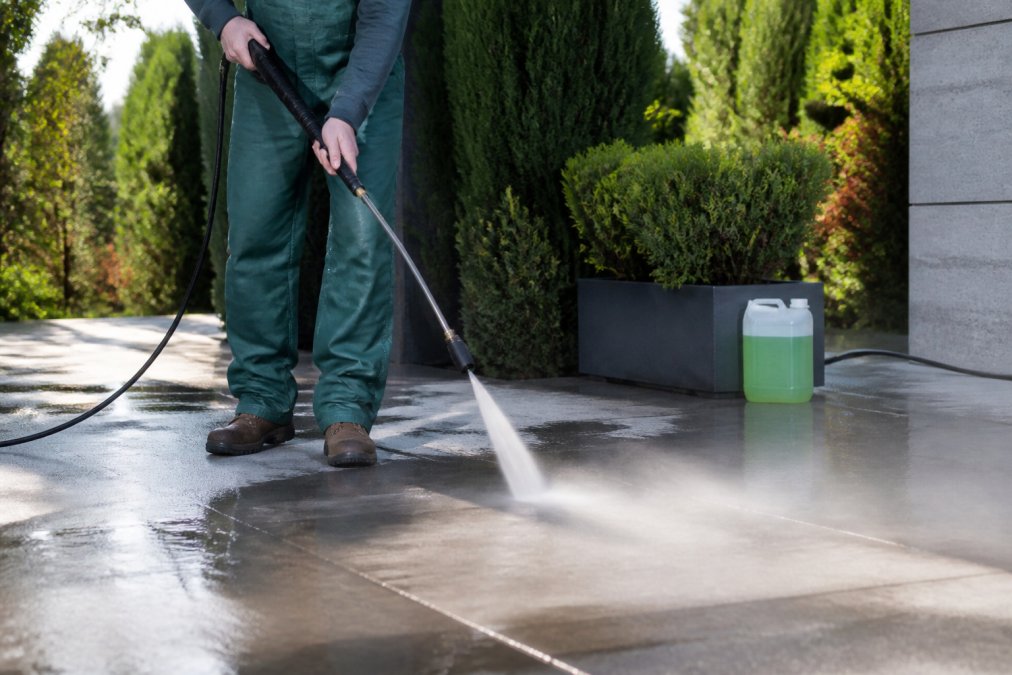
Eco-friendly pressure cleaning is the practice of removing dirt, algae, mould, and stains from exterior surfaces using water pressure combined with biodegradable detergents or chemical-free solutions that minimise environmental harm. Unlike traditional pressure washing that relies on harsh synthetic chemicals, this approach prioritises substrate protection and ecosystem safety whilst delivering thorough surface restoration.
The core difference lies in the cleaning agents. Biodegradable detergents break down naturally in soil and water systems, reducing contamination of stormwater drains and garden soil. Soft washing, a lower-pressure variant, further protects delicate surfaces like timber decks and weathered concrete by using gentler pressure combined with effective biological agents.
Why Environmental Impact Matters in Exterior Maintenance
Traditional pressure washing chemicals seep into soil, contaminate stormwater runoff, and harm plant root systems and aquatic ecosystems downstream.
Repeated applications of synthetic biocides accumulate in the environment, whereas biodegradable alternatives break down within days instead of persisting for months or years.
Eco-friendly approaches use less water than high-pressure systems, especially when soft washing is combined with targeted application.
Soft Washing vs Pressure Washing: Which Method Protects Your Surfaces?
Soft washing uses low pressure (typically under 500 psi) combined with biodegradable detergents and time to break down organic growth like algae and lichen. High-pressure cleaning applies force above 1500 psi to physically blast away contaminants. The choice depends entirely on your surface type.
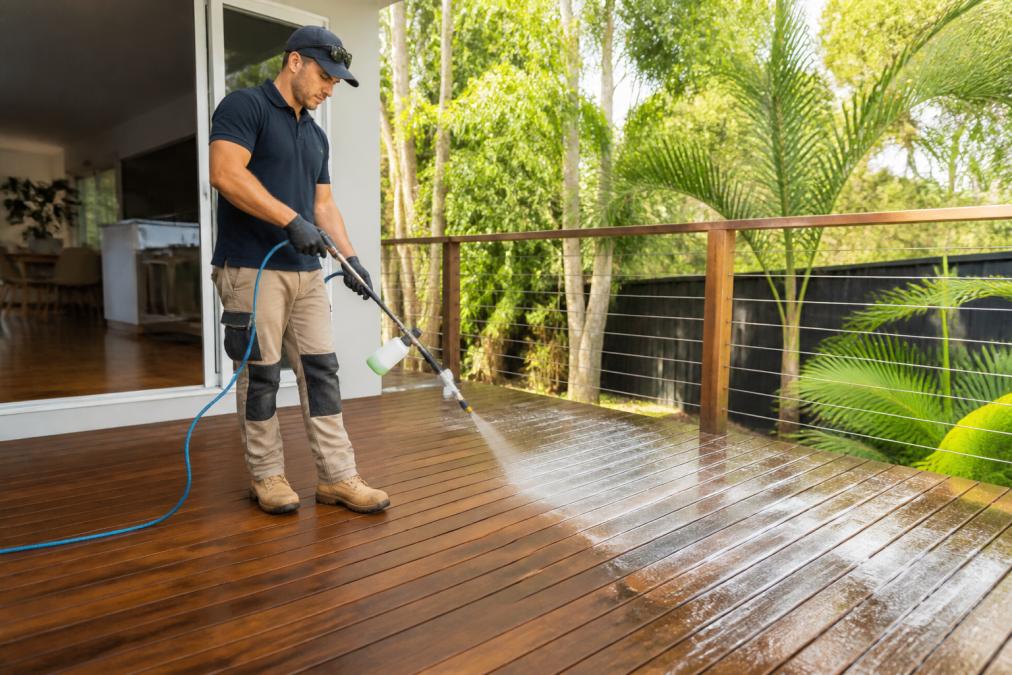
Timber decks, weathered brick, and old concrete benefit from soft washing. These materials can be damaged by high pressure, wood splinters, mortar erodes, and surface layers flake away. Soft washing allows the cleaning agent to do the work while pressure provides only gentle rinsing.
Hard surfaces like modern concrete driveways, sealed pavers, and metal fencing tolerate higher pressure. For these, pressure washing removes deeply embedded dirt and stains more effectively. However, even here, starting with soft wash and escalating only if needed protects the surface longer.
Soft washing extends surface life significantly; multiple gentler cleans keep surfaces pristine longer than one aggressive clean.
| Surface Type | Recommended Method | Why |
|---|---|---|
| Timber decks | Soft washing | Prevents splintering and wood damage |
| Weathered brick | Soft washing | Protects mortar integrity |
| Modern concrete | Pressure washing | Removes embedded stains effectively |
| Sealed pavers | Soft washing | Maintains sealant longevity |
| Metal fencing | Pressure washing | Safe and efficient for metal |
Biodegradable Pressure Washer Detergent: How It Works and Why It Matters
Biodegradable detergents contain surfactants and enzymes that disrupt microorganism cell membranes and suspend dirt particles for rinsing, without harsh synthetic chemicals.
Enzymes target biological matter, surfactants penetrate crevices, and the mixture degrades into harmless compounds within 72 hours, unlike synthetic alternatives that persist for months.
When combined with soft washing, biodegradable detergents excel at removing organic growth; the detergent does most of the work while pressure rinses away loosened material.
How to Prevent Chemical Runoff in Gardens and Stormwater Systems
Chemical runoff prevention requires three strategies: containment, filtration, and responsible product selection.
Containment means directing water flow away from gardens using barriers, sandbags, or slope management to prevent runoff entering soil or stormwater grates.
Filtration involves allowing runoff through gravel and sand trenches, which trap particles and allow soil microbes to break down organic compounds, especially effective with biodegradable detergents.
Product selection is the foundation. Using biodegradable, pH-neutral detergents eliminates the worst offenders. These products break down naturally and don't accumulate in ecosystems. Avoid any cleaner containing persistent biocides or synthetic surfactants designed to resist degradation.
DIY Eco-Friendly Cleaning Solutions: Recipes and Application
Simple DIY recipes deliver results for smaller projects, but understanding their limitations prevents wasted effort and surface damage.
Recipe 1: Vinegar and Water Solution
Mix one part white vinegar (5% acetic acid) with three parts water. This works well for light algae, mineral deposits, and water stains on timber, composite surfaces, and sealed concrete. The acidity dissolves mineral buildup without harming plants or soil.
Application: Apply with a low-pressure sprayer, let sit for 15-20 minutes, then rinse. Repeat rather than increasing concentration, as stronger vinegar can damage finishes.
Limitations: Vinegar is ineffective against established mould or lichen and may not penetrate porous surfaces deeply enough to kill spore-forming organisms.
Safety note: Vinegar is safe for all garden plants and soil organisms. It's food-grade and breaks down completely within hours.
Recipe 2: Baking Soda Paste
Combine baking soda with water to form a thick paste (roughly 3 parts baking soda to 1 part water). Apply directly to stained areas, scrub gently with a soft brush, and rinse. Effective for organic stains, light mould, and surface discolouration on delicate surfaces.
Application: Work the paste into the surface with a soft-bristled brush in circular motions. Let sit for 10 minutes before scrubbing; avoid wire brushes which damage finishes.
Limitations: Baking soda is unsuitable for polished or sealed surfaces and rarely penetrates established mould colonies deeply enough to kill root structures.
Safety note: Baking soda is food-grade, completely safe for gardens, and biodegrades instantly. It actually improves soil pH in acidic environments.
Recipe 3: Citric Acid Solution
Mix two tablespoons of citric acid powder (available at supermarkets in the baking aisle) with one litre of water. This tackles mould and lichen effectively whilst remaining completely biodegradable. The mild acidity (pH around 2.5) accelerates degradation of organic growth without damaging substrate.
Application: Apply with a low-pressure sprayer, wait 20-30 minutes, then rinse. For heavy growth, apply twice with 24-hour intervals. Works best on porous surfaces.
Limitations: Citric acid requires patience and repeated applications for established growth and is less effective on sealed surfaces. Avoid applying directly to delicate foliage.
Safety note: Citric acid is food-grade and commonly used in food preservation. It's completely safe for soil and aquatic ecosystems, breaking down within days.
Recipe 4: Hydrogen Peroxide and Dish Soap (for stubborn mould)
Mix one part 3% hydrogen peroxide (standard pharmacy grade) with one part water, add a few drops of mild dish soap. This combination is more aggressive than the above recipes and works on established mould and lichen. The hydrogen peroxide oxidises organic matter whilst the soap helps the solution penetrate and spread.
Application: Apply generously, let sit for 30 minutes, then rinse. Works best on horizontal surfaces where it can pool and maintain contact.
Limitations: Hydrogen peroxide can bleach surfaces; test first.
When DIY Solutions Work and When They Don't
Application Tips for Success
- Always test on an inconspicuous area first. Different surfaces respond differently; what works on sealed concrete might damage weathered timber.
- Apply in early morning or late afternoon. Direct sunlight reduces effectiveness and can cause uneven drying, leaving streaks.
- Avoid applying near plants you want to protect. These solutions are safe but work best when they contact the target surface directly; overspray onto delicate foliage can cause temporary wilting.
- Use soft brushes, not pressure. Mechanical scrubbing with soft bristles is safer than high pressure for delicate surfaces.
- Allow contact time. Most DIY solutions work through chemistry, not force. Letting them sit for 15-30 minutes before rinsing maximises effectiveness.
- Rinse thoroughly. Residual solution can leave streaks or affect soil pH if not completely rinsed away.
- Repeat rather than concentrate. Multiple applications of dilute solution are safer than single applications of strong solution.
Surfaces Suitable for Eco-Friendly Pressure Cleaning and When to Call Professionals
Eco-friendly pressure cleaning suits most residential surfaces when the right method is chosen. Driveways, patios, rendered walls, and fencing respond well to soft washing combined with biodegradable detergents. Timber decks, weathered brick, and heritage surfaces absolutely require soft washing to prevent damage.
Choosing an Eco-Friendly Pressure Cleaning Service Provider
Legitimate eco-friendly providers are transparent about their methods and materials. Ask directly: What cleaning agents do you use? Can you provide the product safety data sheet? How do you manage runoff? Vague answers or reluctance to discuss these details suggests they don't prioritise environmental responsibility.
Frequently Asked Questions
What is an eco-friendly cleaner for a pressure washer?
An eco-friendly cleaner for pressure washing is a biodegradable detergent formulated to break down naturally without harming soil, plants, or waterways. These solutions contain surfactants and enzymes that remove organic matter such as algae, mould, and lichen without toxic chemicals. pH-neutral formulas protect substrate integrity whilst delivering effective deep cleaning. Many eco-friendly options are plant-based or mineral-derived, making them safe for gardens and stormwater systems. Always verify the product meets environmental safety standards before application.
How do I ensure my pressure washing runoff doesn't harm the environment?
Prevent chemical runoff by using biodegradable detergents, directing water away from garden beds and storm drains, and installing temporary sediment filters or containment barriers. Allow runoff to drain into permeable surfaces or collect it for reuse. When hiring professionals, confirm they employ runoff management practices and use environmentally safe products. Test your garden soil after cleaning to monitor for residue. Professional services should follow best practices for water reclamation and stormwater protection to minimise environmental impact.
What's the difference between soft washing and pressure washing for home cleaning?
Soft washing uses low-pressure water combined with biodegradable detergents to safely clean delicate surfaces like timber decks, render, and roof tiles without damage. High-pressure cleaning applies concentrated force to remove stubborn stains from concrete, driveways, and hard surfaces. Soft washing is gentler on substrate protection and ideal for organic matter removal such as mould and algae. Pressure washing is faster for heavy-duty stain removal and graffiti. The choice depends on surface type and cleaning requirements, professionals assess each project individually.
Can I make my own eco-friendly pressure washing solution at home?
Yes. Common DIY recipes include vinegar-and-water solutions (1:1 ratio) for light algae, baking soda paste for mould, or castile soap mixed with water for general cleaning. Hydrogen peroxide works well for lichen treatment on some surfaces. Always test solutions on inconspicuous areas first, as some mixtures may affect certain finishes. For heavy-duty cleaning or valuable surfaces, professional eco-friendly services using certified biodegradable detergents deliver superior results.