 how-to
When Is the Best Time of Year to Pressure Clean in Sydney?
Last Updated: October 29, 2026
Quick Summary
Spring, from September to November, is the most reliable time for pressure cleaning in Sydney, with moderate temperatures and clear multi-day windows. Autumn is the other strong choice, while summer heat dries surfaces too fast and winter slows drying and raises mould risk. Book a specific 48-hour window with no rain forecast.
- Spring is generally the most dependable season for residential pressure cleaning in Sydney.
- Autumn is mild and forgiving, and suits timber decks and painted or rendered walls.
- Summer heat can cause patchy drying, so start early and avoid midday sun.
- Winter drying is slower, so only book a clear, dry spell with a reliable forecast.
- Pick a specific 48-hour window with no rain, moderate temperatures and light wind.
Table of Contents
- Sydney's Seasons and What Each One Means for Pressure Cleaning
- Best Timing by Surface and Material
- How Often to Pressure Clean a House in Sydney
- Pressure Cleaning in Wet Weather: Does Rain Ruin the Job?
- Preparing Your Driveway and Gutters Before the Clean
- Booking Your Next Clean at the Right Time
- Frequently Asked Questions
Choosing the right time of year for residential pressure cleaning in Sydney can make a real difference to the result.
Pressure cleaning is not just about water and force. Weather, humidity, and season all shape what a clean achieves.
Many homeowners assume any dry day is a good day. That is a common mistake.
Here is what usually matters most:
- Drying conditions: Mild temperatures give even results.
- Moisture in shaded areas: Damp corners can grow mould or algae.
- Surface type: Timber, concrete, and pavers respond differently.
Knowing these factors helps you pick a window that suits your home rather than the calendar alone.
Sydney's Seasons and What Each One Means for Pressure Cleaning
Sydney's climate is temperate and humid, with warm summers, mild winters, and rainfall spread fairly evenly across the year rather than concentrated in one wet season. That matters because the generic 'clean in spring or autumn' advice written for drier or colder climates does not map cleanly onto local conditions. The practical question is not which season sounds best, but which weeks in each season give you a reliable drying window.
A useful way to think about it is in terms of three variables that change through the year: air temperature, humidity, and the likelihood of a dry 24 to 48 hour window after the clean. When humidity is high, surfaces stay damp longer even on a warm day, and that lingering moisture is what feeds mould and algae. When the air is dry and breezy, surfaces can dry too fast and leave mineral residue or streaks. The sweet spot is mild, moderately humid air with light wind and no rain in the forecast.
Spring (September to November): The Most Reliable Window
Spring is generally the most dependable season for residential pressure cleaning in Sydney. Daytime temperatures are moderate, humidity is usually manageable, and the frequency of clear multi-day windows increases as the season progresses.
A practical pattern many homeowners follow is to book in the second half of spring, once the worst of the windy, unsettled weather has passed but before summer heat sets in.
Summer (December to February): Early Starts and Water Awareness
Summer dries surfaces quickly, which sounds ideal but often is not. On a hot day, water evaporates before it can carry dirt away evenly, and concrete and render can dry patchy.
Summer is also when water restrictions are most likely to be in force somewhere in the greater Sydney area. Rules can vary by local water authority and by restriction level, so check the current rules before booking.
Autumn (March to May): Mild and Forgiving
Autumn is the other strong window. Temperatures ease back, humidity is usually moderate, and the risk of a sudden hot spell is lower. It is a good time for timber decks and painted or rendered walls, because mild air lets the surface dry evenly without the fast evaporation of summer or the slow damp of winter. Leaf fall is the main complication, so schedule around heavy shedding and clear gutters first.
Winter (June to August): Slower Drying, Higher Mould Risk
Winter in Sydney is mild by national standards, but cooler, damper conditions slow drying, especially on shaded south-facing surfaces. Shaded areas can stay damp for days, which encourages mould, mildew, and algae. A winter clean can still work well, but it needs a clear, dry spell with a reliable forecast and enough daylight for the surface to dry before evening damp returns.
Coastal and Shaded Properties: A Different Calendar
Homes near the coast or under heavy tree cover do not follow the same rhythm. Salt residue near the coast and faster mould or algae growth on shaded, damp surfaces mean build-up happens quicker, so the interval between cleans shortens and the timing matters more.
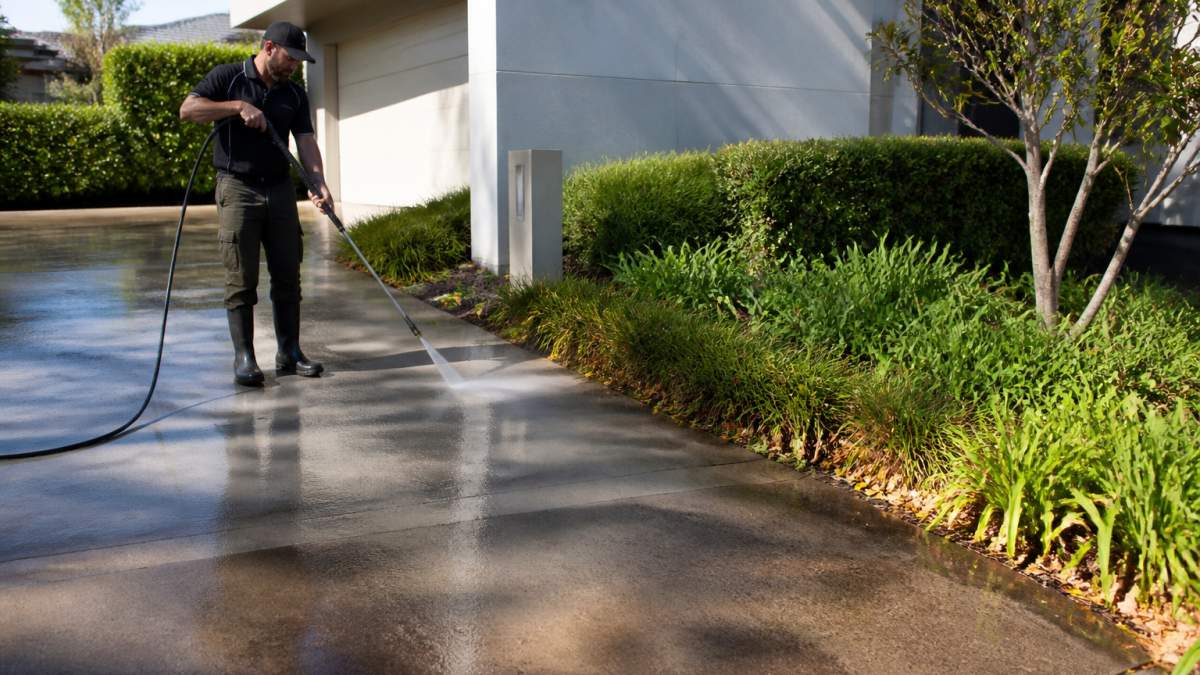
The article breaks the year into four seasons, each with a different effect on drying and results.
| Season | Months | Key consideration |
|---|---|---|
| Spring | September to November | Most reliable window; moderate temperatures |
| Summer | December to February | Surfaces dry too fast; start early |
| Autumn | March to May | Mild and forgiving; leaf fall is the main issue |
| Winter | June to August | Slower drying; higher mould risk |
Best Timing by Surface and Material
Different surfaces respond to timing in different ways. Matching the clean to the material protects the finish and reduces the chance of damage.
- Concrete driveways and paths: Spring and autumn suit concrete best. Summer heat can cause uneven drying.
- Timber decks: Mild weather is safest. Wet timber in cold months can stay damp for days, so avoid winter unless the forecast is clear.
- Pavers: Autumn works well, because joints dry evenly and moss growth is easier to remove.
Always check the surface before deciding. A timber deck with soft grain or loose boards may need a gentler method or a different date.
How Often to Pressure Clean a House in Sydney
Most homes benefit from an exterior clean once a year, though the right interval depends on your location, trees nearby, and how much traffic the surfaces see. Homes near the coast or under heavy tree cover often need cleaning more regularly, because salt, pollen, and organic matter build up faster.
For driveways and paths, a yearly clean is a sensible starting point. Busy areas or surfaces with heavy staining may need attention more often. When planning, consider these points:
- Exposure: Coastal or shaded properties collect more grime.
- Surface wear: Heavily used paths show dirt sooner.
- Visible build-up: Mould or algae means it is time to clean.
If you are preparing a property for sale, timing matters even more, so plan well ahead.
Pressure Cleaning in Wet Weather: Does Rain Ruin the Job?
Rain does not automatically ruin a pressure clean, but it changes the result depending on when it arrives. A light shower after the surface has dried may simply rinse away loose debris.
A practical way to choose a day is to work through five criteria in order. Each one narrows the options until you have a reliable window.
1. Rain: Look for a Dry Run, Not a Dry Day
The single most useful check is whether there is a dry run of at least 24 to 48 hours after the planned finish. A dry day followed by overnight rain is often fine, because the surface has had time to dry. A dry morning followed by an afternoon storm is not, because the clean is still wet when the rain arrives.
2. Wind: Light Is Better Than Strong
Light wind helps drying and carries mist away. Strong wind is a problem for two reasons: it blows dust and debris back onto freshly cleaned surfaces, and it can push spray onto neighbouring cars, windows, or plants. On a windy day, work with the wind rather than against it, and protect sensitive areas first.
3. Temperature: Mild Beats Hot or Cold
Mild temperatures give the most even drying. Hot days cause rapid evaporation and streaking, especially on concrete and render. Cold days slow drying and leave surfaces damp for longer, which raises the mould risk. A mild day with moderate humidity is the most forgiving combination.
4. Shade: Plan Around It, Not Against It
Shaded surfaces dry more slowly, and shaded ground stays damp after the clean. On a hot day, shade can actually help by slowing evaporation. On a cool or humid day, shade works against you. The practical approach is to clean shaded areas earlier in the day so they have the most drying time, and to leave sun-exposed surfaces for later.
5. Drying Time: Match the Surface to the Window
Different surfaces need different drying times. Concrete and pavers generally dry faster than timber, and rendered or painted walls can hold moisture in the substrate. If the forecast window is short, prioritise the surfaces that dry fastest and reschedule the slower ones. Timber decks in particular need a longer dry run, because wet timber can stay damp for days in cool conditions.
When to Reschedule
Reschedule if heavy rain is forecast during the clean or within the first few hours after it, if strong wind is likely to blow debris onto cleaned areas, or if the temperature is extreme in either direction. A short delay is almost always cheaper than a re-clean.
What to Do If Rain Arrives Unexpectedly
If a light shower arrives after the surface has dried, there is usually nothing to do. If heavy rain arrives while the surface is still wet, let it dry and inspect afterwards. Loose dirt may have washed back on, in which case a light rinse or a spot re-clean is enough.
Preparing Your Driveway and Gutters Before the Clean
Preparation makes the clean faster and more effective. A little work beforehand helps the team reach the dirt and protects your property.
Before the clean, consider these steps:
- Move vehicles, outdoor furniture, and pot plants away from the work area.
- Sweep loose leaves, twigs, and debris from the driveway.
- Check for loose paving, cracked timber, or damaged caulking that could be affected by water pressure.
Ideally, clean gutters before the pressure clean so debris does not wash down onto freshly cleaned surfaces.
Booking Your Next Clean at the Right Time
Planning ahead gives you the best choice of date and the most reliable weather. Book in spring or autumn when possible, check the forecast for a clear run of days, and consider your surfaces and local conditions.
If you are ready to schedule, AquaBlast Elite can help you choose the right window for your property. Contact us to book a clean and talk through the best timing for your driveway, deck, or house exterior.
Frequently Asked Questions
What's the best time to power wash a house?
For most Sydney homes, the best time is autumn or spring, when temperatures are moderate and rainfall is lower. These seasons give surfaces time to dry fully between cleans and reduce the chance of water spotting. Late autumn and early spring are particularly reliable windows. Avoid the hottest days of summer, because water can evaporate before it has lifted grime, leaving streaks on rendered walls and painted surfaces. Timing around a week of settled weather gives the most consistent result.
Can you pressure clean a house in winter?
Yes, but winter cleaning needs more planning. Cooler temperatures and shorter daylight slow drying, so surfaces stay damp for longer, which can invite mould and algae regrowth if the clean is followed by more rain. Winter cleans are best scheduled on dry, mild days, typically when the forecast shows several fine days in a row. Shaded southern faces of homes often stay damp longest and are worth checking after the job is complete.
Is it better to pressure clean before or after rain?
Generally, a clean should be followed by a period of dry weather rather than preceded by rain. Rain before a clean can soften dirt and make it easier to lift, but wet surfaces can also mask problems and make the result harder to judge. Rain shortly after a clean can wash away detergents before they have worked and leave residue or streaks. Checking the forecast for at least two to three dry days after the job helps the surface dry evenly.
How often should you pressure clean a home's exterior?
Most Sydney homes benefit from an exterior clean once every 12 to 18 months, with more frequent cleaning for properties under heavy tree cover, near the coast, or with high traffic areas such as driveways and paths. Shaded surfaces collect mould and algae faster and may need attention every year. Scheduling the clean ahead of a seasonal peak, such as before selling or hosting, keeps the property looking its best without over-cleaning. Pricing depends on quantity, dates, and delivery, so visit the AquaBlast Elite website or request a quote for current prices.